We just posted our latest video: “On the Road to Bosnia”
You can check it out, link down below – LJ
We just posted our latest video: “On the Road to Bosnia”
You can check it out, link down below – LJ
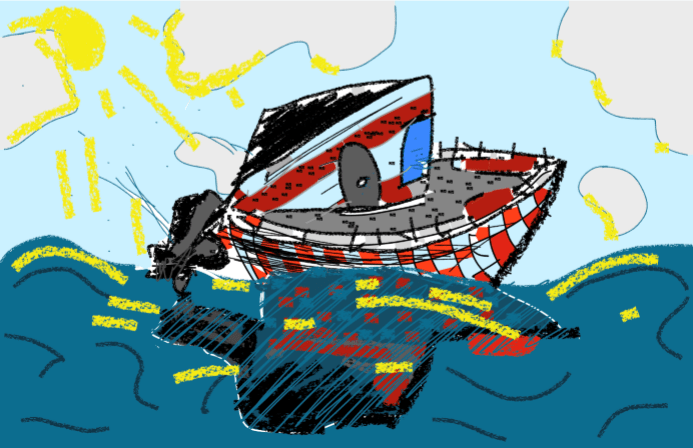
I drew this by using my apple pen. In my opinion, you can do way more things by using an apple pen than a pen with ink in it. For example, you can add way smaller details with an apple pen, and its a lot easier to switch colors or different kinds of pens or brushes.

In Croatia we took sailing lessons and learned a lot about sailing boats. I was inspired and wanted to draw a picture of a boat. So here is my drawing of a boat, its called “the little sailor”. The reason I named it that is because if I had a boat, that’s what I would name it. This drawing was made on a app on a computer. That’s why it might look cartoon like.
Hi – We just posted our second video on our channel: “Destination: Split, Croatia” by On the Road With LJ
You can check it out, link down below – LJ
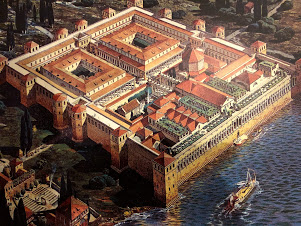
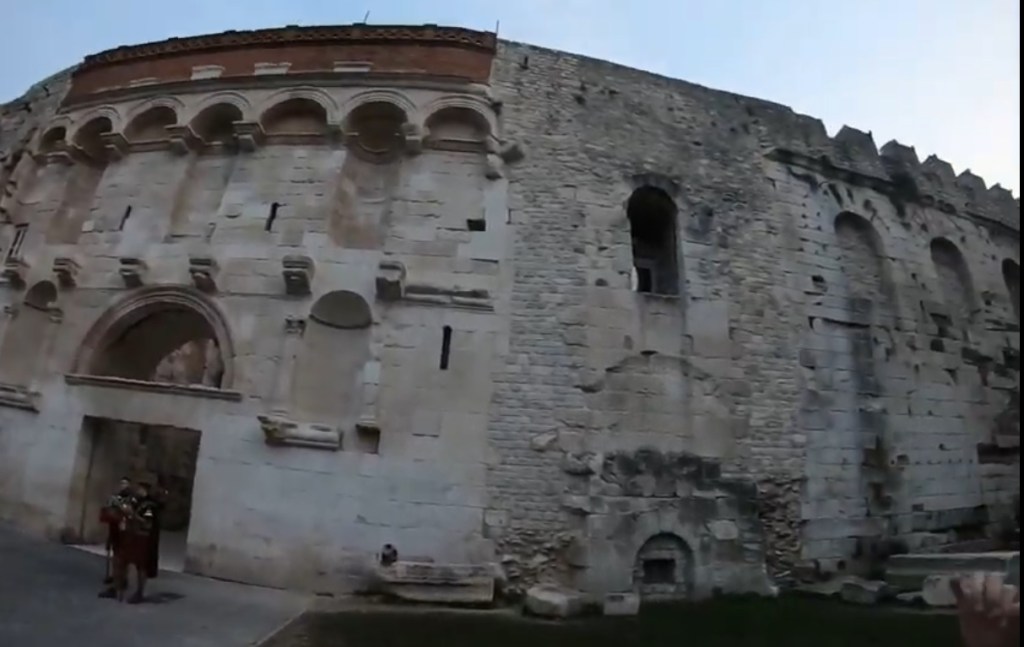
My family went to Croatia and now we are headed to Greece. In Croatia my family visited Split and saw a huge nice palace made by someone named Diocletian. Diocletian? That’s just weird. But not until we took a tour did I understand late century Romans.
FALL OF THE EMPIRE:
The Romans were one of the most amazing and talented ancient civilizations. Until the empire fell. The Romans were conquering huge amounts of land, building temples, Colosseums, palaces, houses, and even water aqueducts. Their empire was growing and stretching all over the area of present day Europe, North Africa, and Asia Minor. But eventually, it started to fall apart. And how did it it fall? The empire got too big. The Romans split their empire into multiple parts because of this conflict. For example, there would be an emperor ruling from the north side, and another ruling from the south. But that did not settle the fighting, different Romans wanted to make separate rules. Someone had to create a better empire for his people, and that person was a man named Diocletian.
WHO WAS DIOCLETIAN?:
Barbarians were anyone that was not a Roman. Many of these barbarians were swarming in from outside of the Roman territories. Among these people, was Diocletian. And no, you could not just go build a nice house on the water, you had to join the army to become a Roman citizen! Sure, joining the army sounds bad, but being in the army for 25 years sounds worse! As a barbarian, you would have to join the army for an estimate of 25 years! And as Diocletian was a Barbarian, he went to the military to train and fight his share of two and a half decades.
ABOUT DIOCLETIAN:
Diocletian was born supposedly at about 245 AD but his childhood is mostly clouded with guesses since he is from thousands of years back. He was probably from Salona, Croatia, outsides of Split. One of these educational guesses is that his dad was a slave under a senator named Anullinus but almost nothing is known about Diocletian’s mom. Diocletian was originally named Gaius Aurelius Valerius Diocletianus.
HIS RISE TO POWER:
Diocletian was a supposedly a commander of a guard unit which was to protect the current emperor. It is thought that Diocletian murdered the emperor he was supposed to protect, because that was one of the only ways to become the emperor. So Gaius Aurelius Valerius Diocletianus became emperor. But not only did he take the throne, he split it with a few others. He was the main of these emperors, but it was probably one of the only times this happened in history!
DIOCLETIAN’S PALACE:
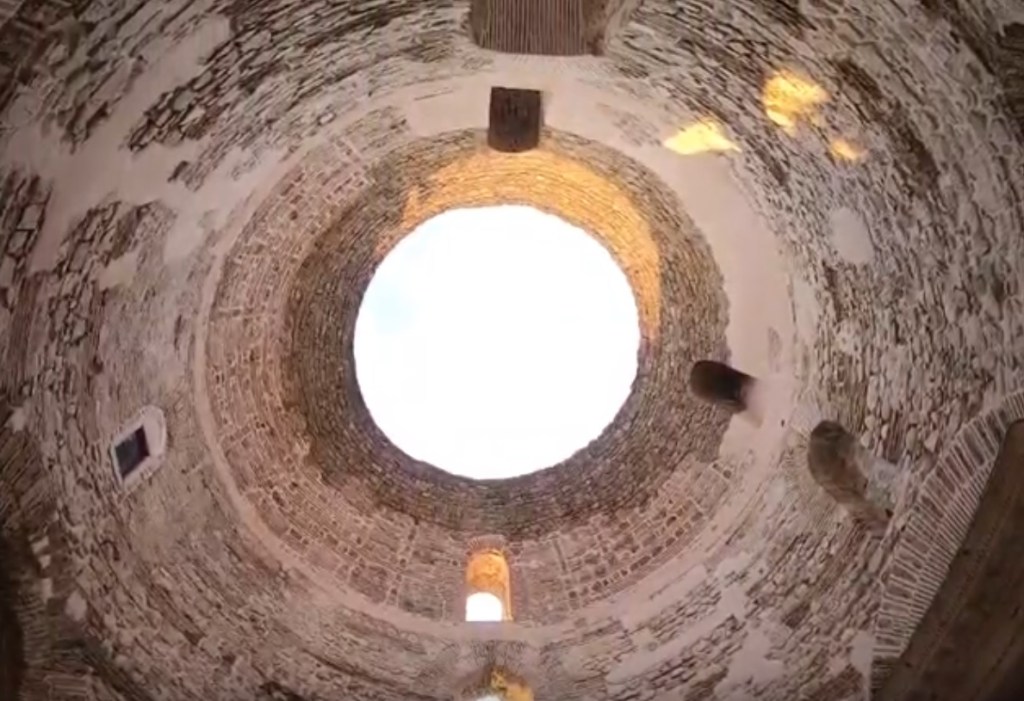
Diocletian retired. It was the only time in Roman history that an emperor retired. And why did he do this when had all that power? Well, nobody knows. One theory is that he was very sick and just wanted to end his life in peace, but little information remains. To retire, he needed a home. But in Roman perspective, everyone wanted a palace, so that’s just what Diocletian did. Clues show that he had been building the palace for many years before he moved in, so maybe Diocletian was planing to retire early! He had a huge beautiful palace built for himself. The palace was a city itself for hundreds of years after Diocletian and still is today!
THE FALL OF THE EMPIRE:
The Romans were one of the most amazing and talented ancient civilizations. Until the empire fell. The Romans were conquering huge amounts of land, building temples, colosseums, palaces, houses, and even water aqueducts. Diocletian was a man who changed things after the empire started to fall. He brought traditions back and built one of the most amazing palaces I have ever seen. But after his death, things resumed. The barbarians burnt down cities and everything got crazy. Not long after Diocletian died, the Roman Empire was destroyed forever.
Please feel free to leave a suggestion, or just a note in the comment section below.
On a final note, if you haven’t already, please subscribe and like the post. Also, we have a YouTube channel called ON THE ROAD WITH LJ so please also subscribe to that.
We will have a new video and post soon.
-Jack
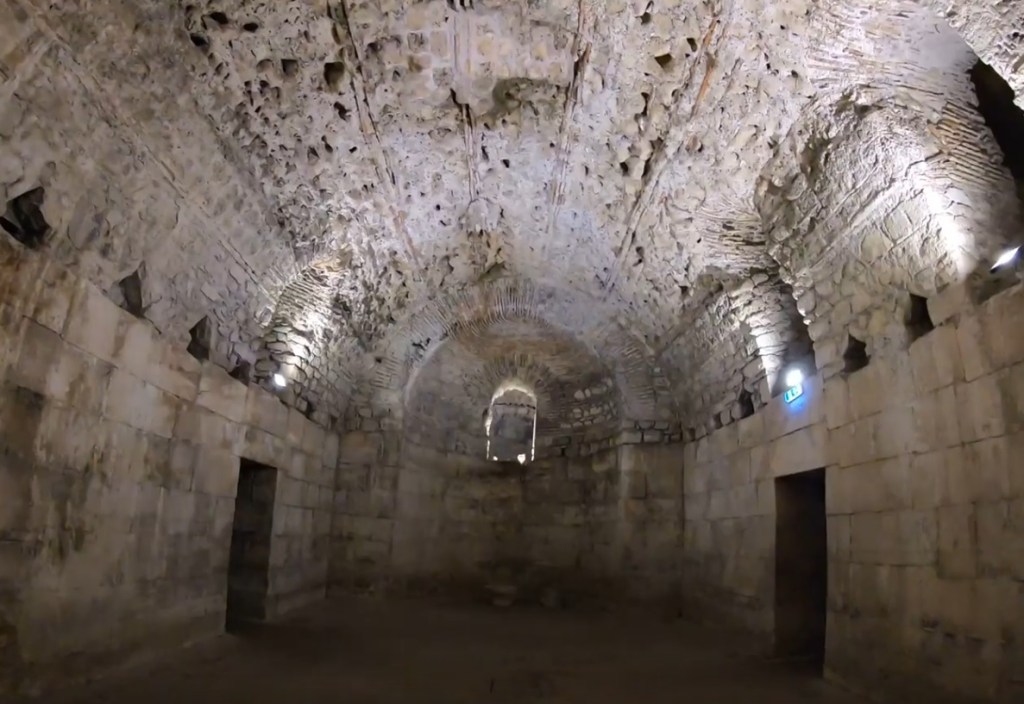
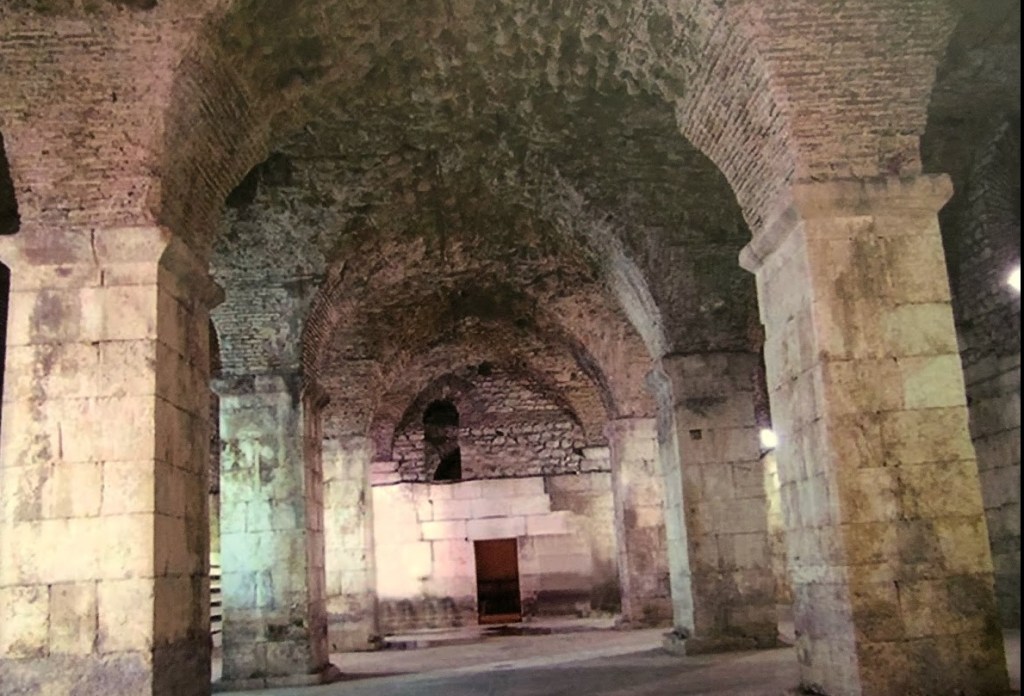
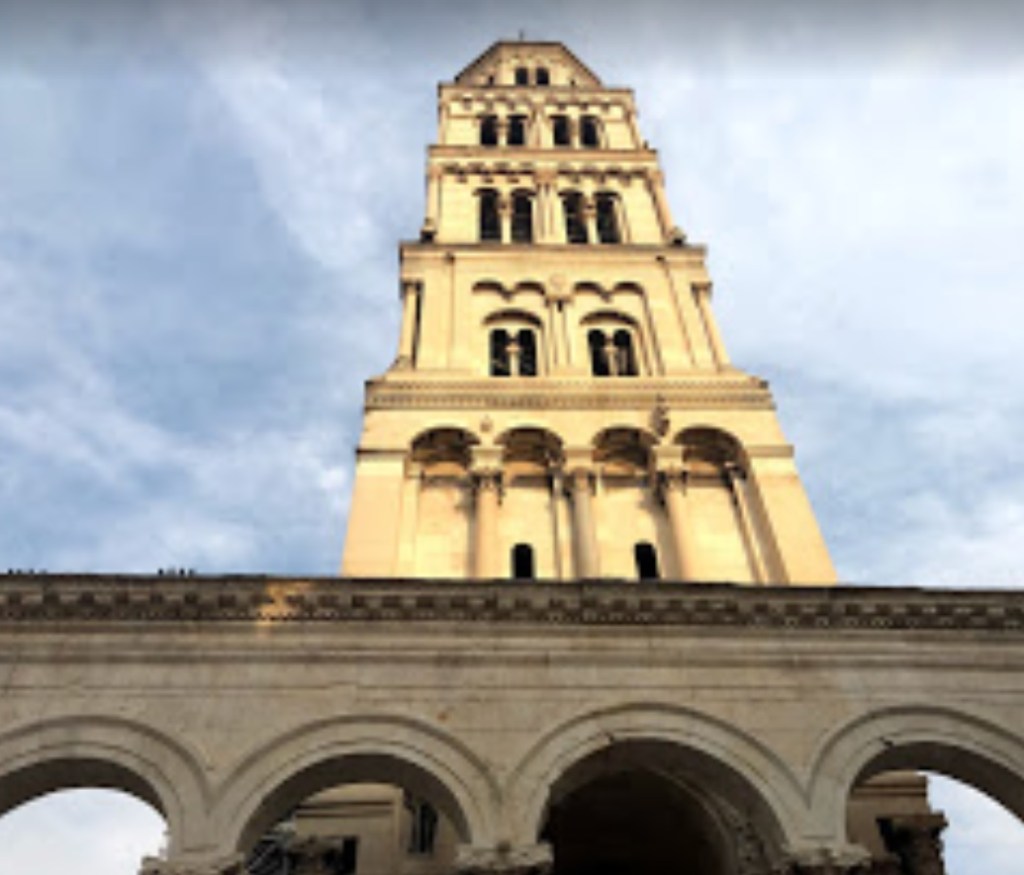
Photos from our visit to Diocletian’s palace:
In this blog post, I’m going to be writing about a question that has pondered me many times. My question is, why is there salt in the ocean? And, more specifically, why is there salt in the ocean, but not in freshwater? I decided to write this post because I really have been wanting to know the answer to this question, and I thought this would be a good time to do that since we’re in Croatia and there’s plenty of opportunities to go to the beach and swim in salt water.
When you were little, your parents probably told you that there was salt in the ocean and you might not have stopped to think why, because you knew your parents were right. Or, you found out on your own by coughing up a mouth full of it by accident. But whatever way you learned about salt in some water, and no salt in other water, you’ve probably asked yourself how salt got into water in the first place. Today I’m going to be giving you the answers to all those questions. But before you continue reading, I will challenge you to think of an answer to them if you don’t know the answers already.
The process of how salt gets into water is pretty complicated and I’ll try to explain it the best I can, but if you get confused, you can read it over again or do more research. I Feel free to read as slowly as you want so that you can process everything. So without further ado, this is how salt converts it’s way into water.
A long time ago, there probably wasn’t as much salt in the ocean as there is now. The reason for that is because salt moved into the ocean through minerals in rocks… So that means that the salt in the ocean mostly comes from rocks on land. But not just any rocks. Specifically rocks on land. Why on land?
Well technically it all starts with rain. Rain contains dissolved carbon dioxide from the air around it. When carbon dioxide and water mix, this creates carbonic acid, making the rain water acidic. When it rains, the rain water falls onto rocks ON LAND. Again, why rocks on land? Since rain can’t fall on rocks through the water, the obvious explanation is that salt can only come from rocks, or minerals, on land.
Continuing on, when rain water falls onto rocks, this causes erosion, and the acids in the rain break the rock down. All this creates ions to form. Ions are micro sized particles that have electricity inside of them. So in other words, they are “electrically charged”.
These ions get carried with streams from rivers and eventually land in the ocean, where most are used by tiny creatures, or organisms living in the ocean. The ions that are used by organisms end up being removed from the ocean. But the lucky ions continue to be part of the process of creating salt water. These ions that are not used, are left on their own for such a long time that other ions continue joining the group until there is a whole concentration of ions in one area.
The two biggest groups of ions are Sodium and Chloride, which are presumably “salty”. On an average, there are 35 parts of salt in ocean water every thousand concentrations. This means that 3.5 percent of the weight of ocean water is salt. Another fact about how much salt there is in the ocean is, according to some estimates, if you took all of the salt out of the ocean and layered it on top of the perimeter of the earth, it would be even thicker than 500 feet, or, in height, about a 40 storied office building. That’s as tall as a skyscraper that you could find downtown.
Okay, now that we’ve got salt water covered, there’s one more question that I’m going to answer today. Why is there salt water in the ocean, but not in rivers or lakes? Well, it turns out the answer is simple.
Do you remember when I told you that the ocean started off not being very salty? And it got saltier through the minerals in rocks? Well, how do you think those minerals traveled to the ocean? Through rivers and streams that left from lakes of course. The lakes and rivers themselves got filled back up with fresh rain water, and the minerals in the lakes and rivers escaped through streams running back into the ocean. So, the cycle continues to stay like this. The minerals end up in the ocean through streams, making the ocean salty, and the rain fills the lakes back up with freshwater. Every year, rivers around the world convert approximately 4 billion tons of dissolved salts from rocks into the ocean.
So now we’ve covered salt water and fresh water. You would think we were done right? Wrong. There’s still one thing that doesn’t quite make sense. See, if the streams that run into the ocean carry salt, well if you want to be exact 4 billion tons of dissolved salts every year, then wouldn’t the ocean just get saltier? And even saltier? You would think. But again, no.
Here’s why; Every year, around the same amount of salt that runs into the ocean (4 billion tons), is most likely deposited on the ocean floor as sediment. So all in all, there’s about an even amount of salt that makes it into the ocean and stays there, and an even amount of salt in the ocean that ends up becoming waste. Which means that the ocean gains and loses around the same amount of salt, and the ocean doesn’t get any saltier than it already is.
As it turns out, the salt water cycle (or process) can get pretty complicated. Today we covered the main topic of why salt is in the water, then we took on why there is no salt in rivers or lakes, and finally we ended with a question that came up during the salt water topic; if freshwater streams carry x amount of salt to the ocean annually, then wouldn’t the ocean get saltier? I hope you found your answers to these questions. If you want to learn more about these questions, or the salt water topic in general, you can always research more about it, and if you want to know where I got all this information, you can check out the links to these sources down below.
I don’t know about you, but I think learning about the cycle of salt water is very interesting and I would like to continue learning more about it. It was very fun uncovering this salt water mystery and I hope it was for you too. My next blog post is going to be about my experience learning how to sail with Jack in Croatia, so make sure to stay tuned for that.
Bye for now, Lily🍦
https://oceanservice.noaa.gov/facts/whysalty.html
https://oceanservice.noaa.gov/facts/riversnotsalty.html
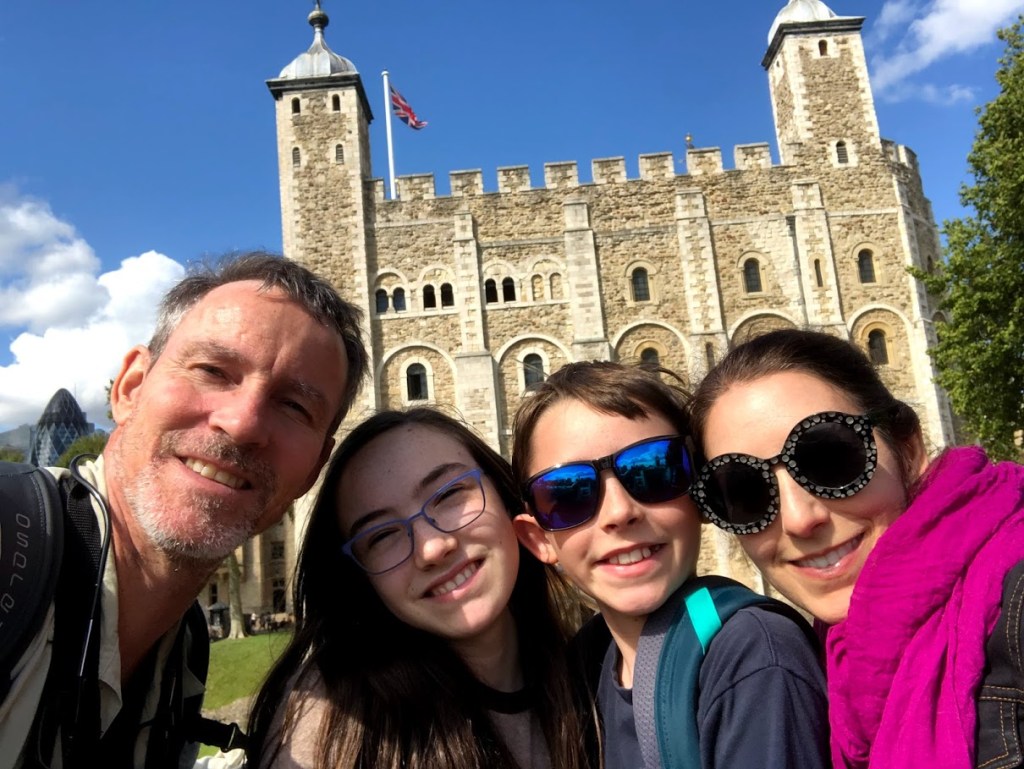
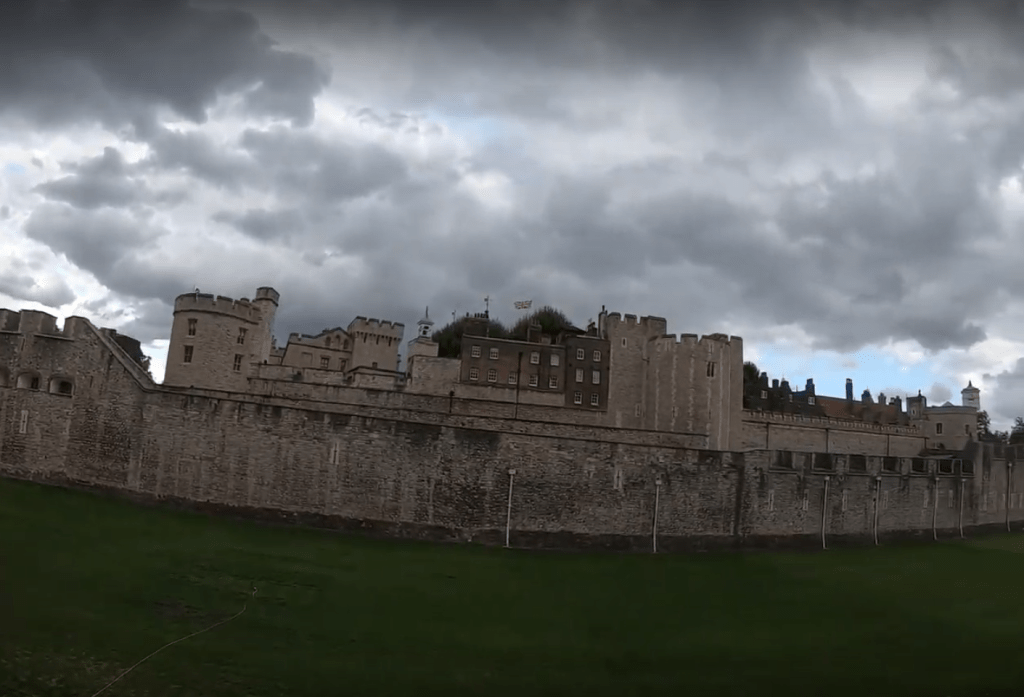
WHAT IS THE TOWER OF LONDON?
Have you ever thought about where the Crown Jewels of the royal queens and kings of England are kept safely? Maybe you thought of where the prisoners of England were held? Or maybe you’ve thought of the place where many people (mostly those who went against the king and queen) were executed? The Tower of London served as a fortress, a palace, a prison, and more.
The Tower of London was built in 1066, located by the Thames river for protection. In the 1070s William the Conqueror built the White Tower giving the Tower of London its name. Many Queens, Kings, and prisoners lived and died (or were executed) in the Tower of London.
WHAT ARE THE CROWN JEWELS?
The Crown Jewels were one of my favorite things at the Tower of London. Crowns, staffs, swords, and more royal objects were made for kings and queens on their coronation days. Gold platters and spoons were also used for Coronations. The platters and spoons will be used for Prince Charles’s coronation when Queen Elizabeth II dies, and a new crown and staff will also be made for him.
Crowns, rings, bracelets, and other royal objects were made out of gold and silver, and diamonds as well as other jewels were added to the crowns. A long cape was also made for Queen Elizabeth when she became queen in1952.
WHO WAS IMPRISONED AT THE TOWER OF LONDON?
Over the course of 900 years, many prisoners were held in the Tower of London. Ranulf Flambard was the first recorded prisoner there in the year 1100. Anyone who committed crime against the king and queen were imprisoned at the Tower of London. In addition, 22 prisoners were also executed at the Tower of London.
The richer of the imprisoned would be held in a more luxury place than the poorer, so the prisoners still had statuses. Many prisoners ended up carving their signatures in the wall. If you go to the Tower of London you will see dozens of drawings and writing in the walls where the prisoners were held, from 500 years prior.
WHO WAS EXECUTED AT THE TOWER OF LONDON?
There were about 400 executions by the Tower of London. The executions were committed in ways such as beheading, being hanged, or being shot. Most happened on Tower Hill, the main execution spot was up the hill and outside of the castle. Londoners gathered at the execution spot to witness these events. The most famous people were beheaded at Tower Green which was within the Tower of London, are the following:
Queen Anne Boleyn; beheaded with a sword in 1536 due to charges (That turned out to be false) against the king, Jane Boleyn: beheaded in 1542 due to helping commit the murder of two queens and their cousins, Robert Devereux: First imprisoned and then beheaded in 1601 due to going against Queen Elizabeth I.
THE PRINCES IN THE TOWER
Get ready to be intrigued…Twelve year old Prince Edward and nine year old Prince Richard were sent to live in the Tower of London when their father King Edward IV died in 1483. They were known as “the Princes in the Tower”. What they didn’t know was that their future was soon to be ruined. The princes were shortly sent to be imprisoned inside the walls of the Tower of London by their Uncle Richard, who rid them of their royal titles and imprisoned them. He did this in order for him to claim the throne and become king as King Richard III. Mysteriously, by the middle of 1483, the princes had somehow vanished from the castle grounds. In 1674 the Tower of London was being renovated and the skeletons of two children were found. It was never proven to be the princes, but It only makes sense that King Richard III had murdered them after ridding the princes of their titles and imprisoning them. Now the skeletons of the two children lie in Westminster Abbey.
THE TOWER OF LONDON OVER THE YEARS
The Tower of London has been around for more then 900 years and many events have been held there. From the first coronation to the last execution, the Tower of London has lived through many prisoners, many executions, many coronations, and many people. If you visit it today you can see where the decapitations were held, you can see where the Crown Jewels are held (heavily guarded by soldiers), and you can explore the tower walls.
By Lily
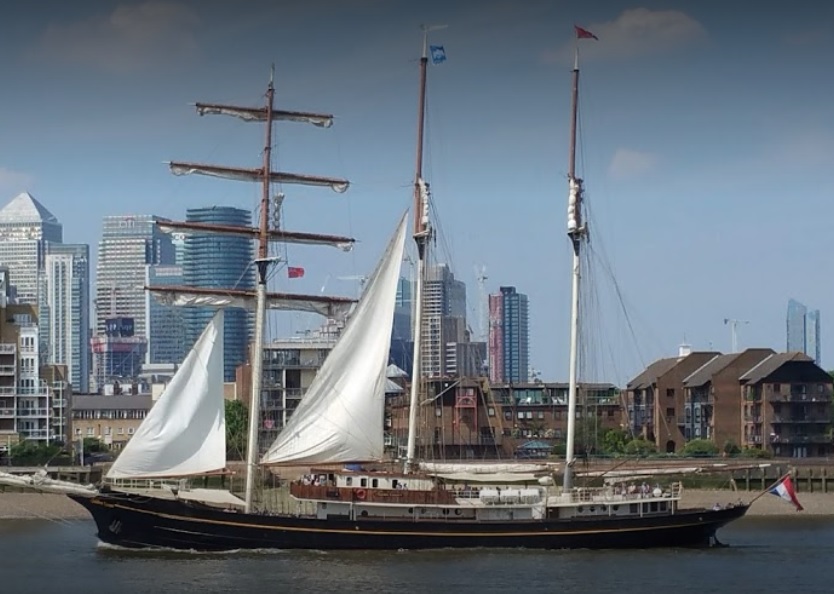
Cutty Sark:
You might be thinking that Cutty Sark is a weird name for a cargo ship, but there is a real ship named exactly that. It served from 1870 to 1895. You might also be thinking that “cargo ships are boring”, but if you are, you’re SO wrong. When my family headed to London, all I thought we would do was go to the British museum and do not much else. But I was amazed at how many things we could do in London. I was surprised specifically at Cutty Sark!
Cutty Sark in it’s early years:
It was 1843 and a new type of ship was being designed. It was called a clipper. These cargo ships were designed to be strong, lightweight, and exceptionally fast. That’s where Cutty Sark comes in. Cutty Sark was a very well made clipper. It was launched on November 22, 1869 in Dumbarton, Scotland. It is now 150 years old. So Cutty Sark began it’s first voyage from London to Shanghai joining the tea trade industry. The clipper sailed up to around 16.511 knots (more than 19 miles per hour), and was considered by some to be the fastest ship of it’s day. Cutty Sark had 25 year of service in the trade industries.
Exploring the depths:
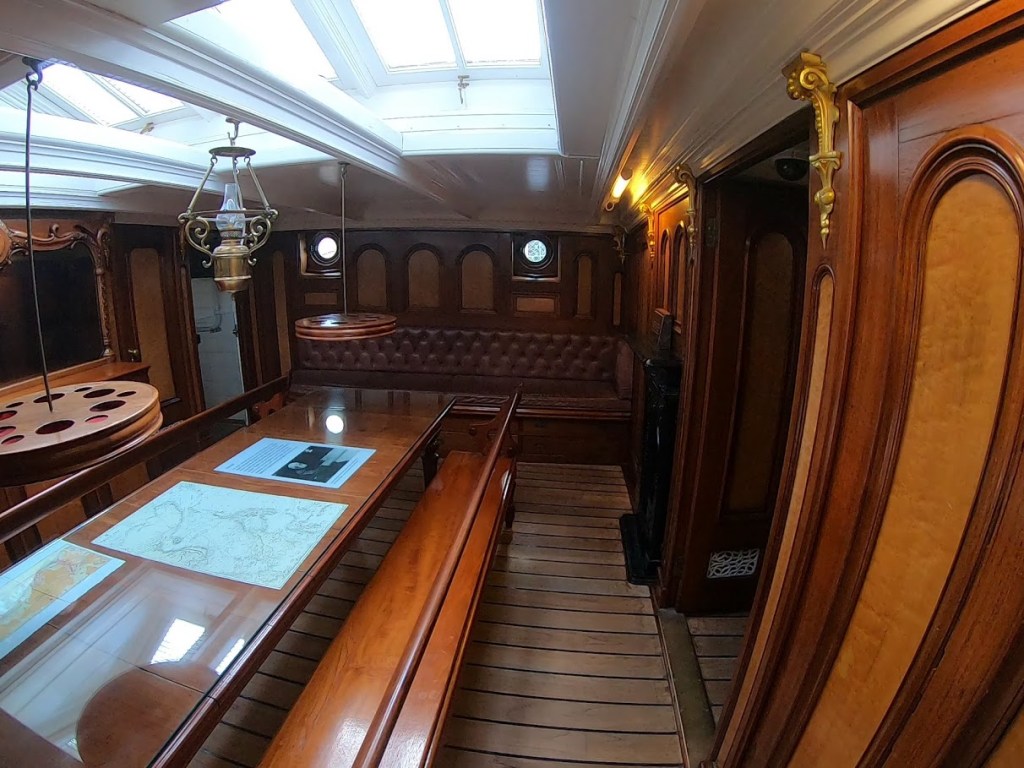
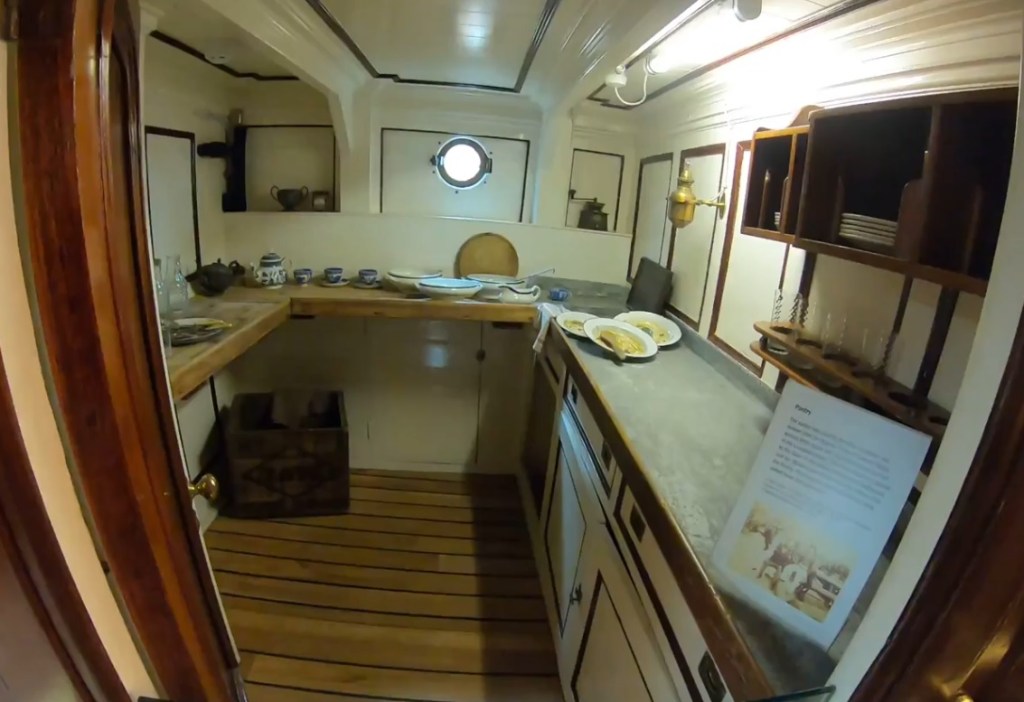
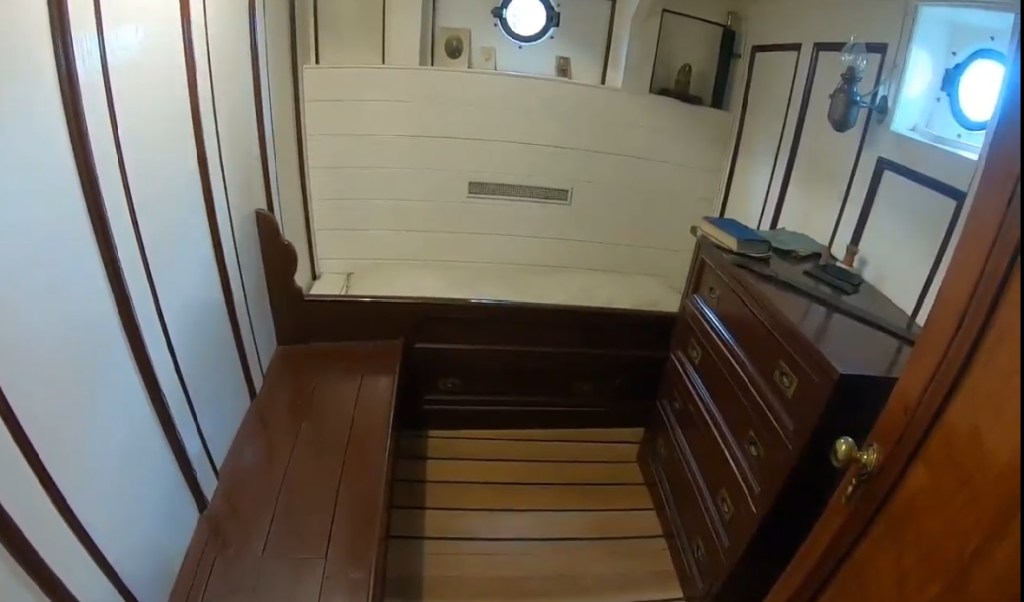
Cutty Sark was a cargo ship that delivered cargo. It seems like a simple explanation for this whole post. Well, the clipper didn’t just have cargo, it had architecture! When I first saw the Cutty Sark, I wondered if people went on the ship or not, if there were cabins or chambers. But of course there were people on the ship! They never had sailing robots in the 1800’s! So the question was, how did they sleep, eat, and survive if they had to be on long voyages across the world? Well, that’s the point of this paragraph. There were two chambers built to hold major storage, the main and the twin. Nothing but boxes and boxes would be piled up to the ceiling of these chambers. So the remaining space had to be handled carefully. The upper deck was the only living space for the workers and sailors who traveled on the Cutty Sark. There are three living spaces on the Ship. The first, for crew members (cooks, doctors, blacksmiths…etc…), the second, for sailors, and the third, for higher ranked sailors (Captain, first mate, second mate…). Usually, only 21 people traveled on the Cutty Sark at one time. Each one of them, usually only served for one voyage. 21 people does not seem like enough people for such a huge ship, but the Cutty Sark dealt with it.
Name and figurehead history:
Cutty Sark’s name was based off a Scottish poem by Robert Burns. This poem is called Tam o’Shanter. Tam o’Shanter is a poem that is about a farmer who’s name is Tam. Farmer Tam gets drunk and goes off to the woods where there are witches. One of the witches is wearing a dress called a cutty sark. So then the witch really gets mad and starts chasing Tam. This probably depicts why Cutty Sark is named after the witch, she’s fast. Farmer Tam gets away but the witch manages to pull the tail out of Tam’s horse. This is why Cutty Sark’s figurehead shows a witch holding a horse’s tail. The first master (captain) of Cutty Sark, who named the ship was Scottish which creates an explanation of why he chose a Scottish poem by Robert Burns. But really nobody know why Cutty Sark was based off of Tam o’Shanter. It remains a mystery.
Cutty Sark and its voyages:
There were a lot of voyages across the world that Cutty Sark took, but it only had two main routes. These were the two routes that changed history. In it’s earlier years, Cutty Sark traveled on its first route to China and joined the tea trade industry. This was the industry that delivered tea from China to the United Kingdom. When Cutty Sark set off on it’s first voyage, it was headed from London to Shanghai. Cutty Sark served in the China tea trade of the 1800’s for 7 years. Why only 7 years? Because of two things. One, steam ships were taking over, and two, the Suez Canal had opened up. On the same year that Cutty Sark was launched, the Suez Canal was built through Egypt. This Canal connected the Mediterranean sea to the Red Sea, and cut off the use of sailing boats. Sail ships could not go through the canal because they can not go in a straight line, and steam ships can. Having a motor allows you to control where your ship goes, where as when you sail you can only travel in wind. Cutty Sark couldn’t travel through the Suez Canal which mean that it’s China tea trade time was over. But Cutty Sark’s sailing life was not over. Actually, it was just beginning.
Cutty Sark’s later years:
After Cutty Sark ended it’s time in the tea trade, it converted to the wool trade in Australia. It delivered wool from Australia to London for 12 years from 1883-1895. In 1895 when the trade was over, Cutty Sark was sold to a Portuguese company and renamed Ferreira. After a few decades with the Portuguese she was sold and renamed again to Maria de Amparo. After being Maria de Amparo, she was sold and renovated, and sold and renovated again. Eventually after a long time, something bad had to happen, and it did. While it was being renovated, another fire (if you read my last post “Notre Dame the cathedral”) broke out in May 21 2007. After a few hours of burning, the London fire brigade eventually got the fire to settle down. The fire was not a big fire and only a small part of Cutty Sarks frame was damaged. Now, the Cutty Sark is a museum in Greenwich witch my family visited in London. Over the years, Cutty Sark was remembered not of the fire, but if the huge contribution to the trade industry.
Lastly:
If you could be one of the passengers of the Cutty Sark, which would you be?
A) Carpenter (you would always have something to fix and not get much sleep)
B) Cook (it would be hard to cook for 20 other people)
C) Sailor (out in the cold where the valves crash onto the top decks, you would be one of the first that could be tossed overboard)
D) Master or captain (you might think it would be nice, but you’d have to be responsible for everyone else and if something bad happens, it would be blamed on you)
E) First mate (if the captain gets sick or needs help with something, you would have to take the risks and take over)
F) Second mate (if master needs lots of help or first mate does, you have to know a lot of things that the captain does, but you might not know enough to survive, even though it’s rare)
G) Purser (taking care of all the higher ranked officers in the Cutty Sark would be a lot, you would be more like a maid than a butler)
Please tell me your answer in the comment section bellow so I can know some more info about who you would be on the Cutty Sark. Thank you if you do 😊
Thanks for reading about Cutty Sark, I hope you enjoyed my London post. I do not regret going to that museum. If you go, you will not regret it either. Just remember not to confuse Cutty Sark whisky with the Cutty Sark ship. The cargo ship was first. In fact, Cutty Sark whisky was named after the ship!
Please feel free to leave an answer to the question I asked, a suggestion, or just a note in the comment section below.
On a final note, if you haven’t already, please subscribe and like the post. Also, we have a YouTube channel called ON THE ROAD WITH LJ and you can access the first video that’s called: First Destination. By: On the Road with LJ. You can press the link down below to see it ⬇️
https://m.youtube.com/watch?v=z4W4HHlPJOI
We will also have a new video and post soon. Hope you had fun sailing with me!
-Jack👌
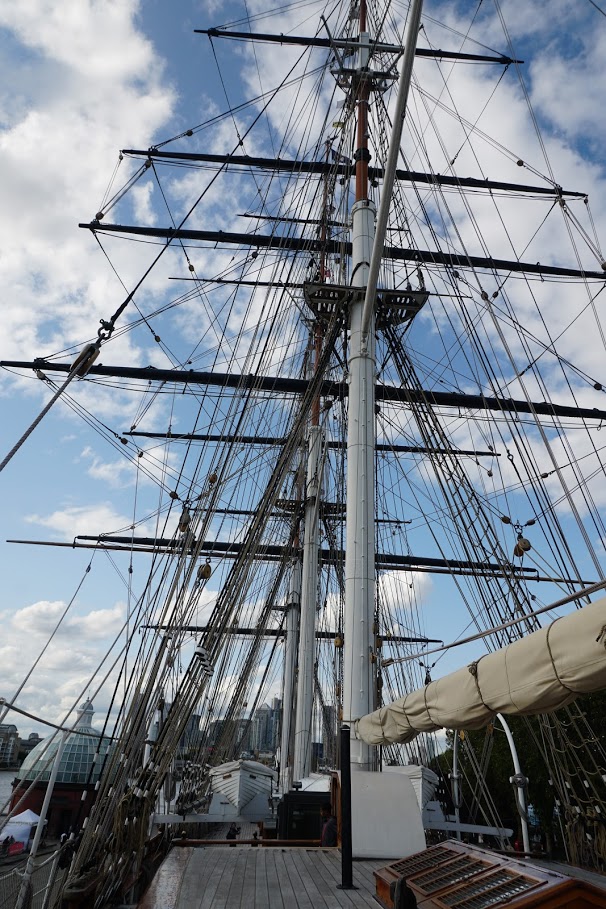
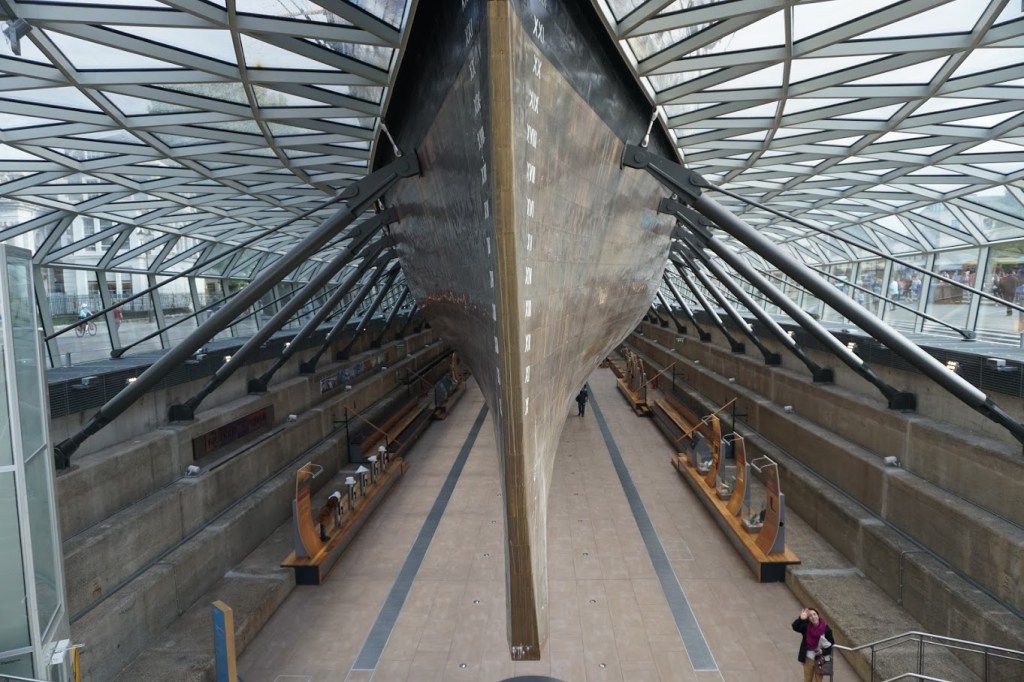
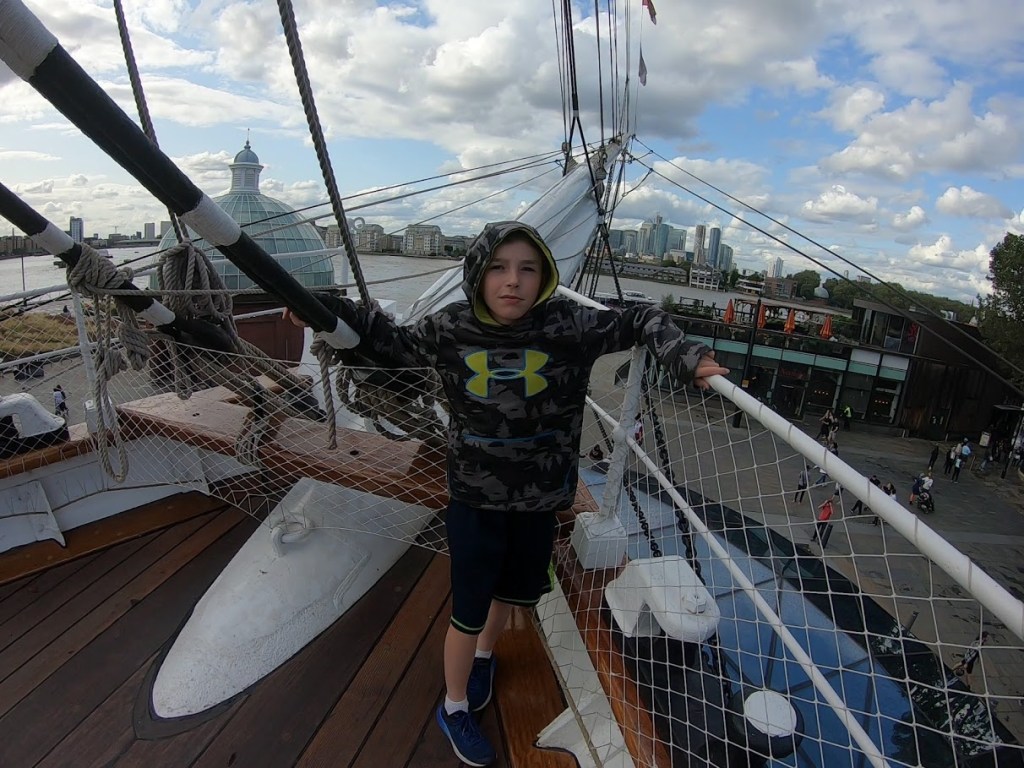
a few photos from our visit to Cutty Sark in London:
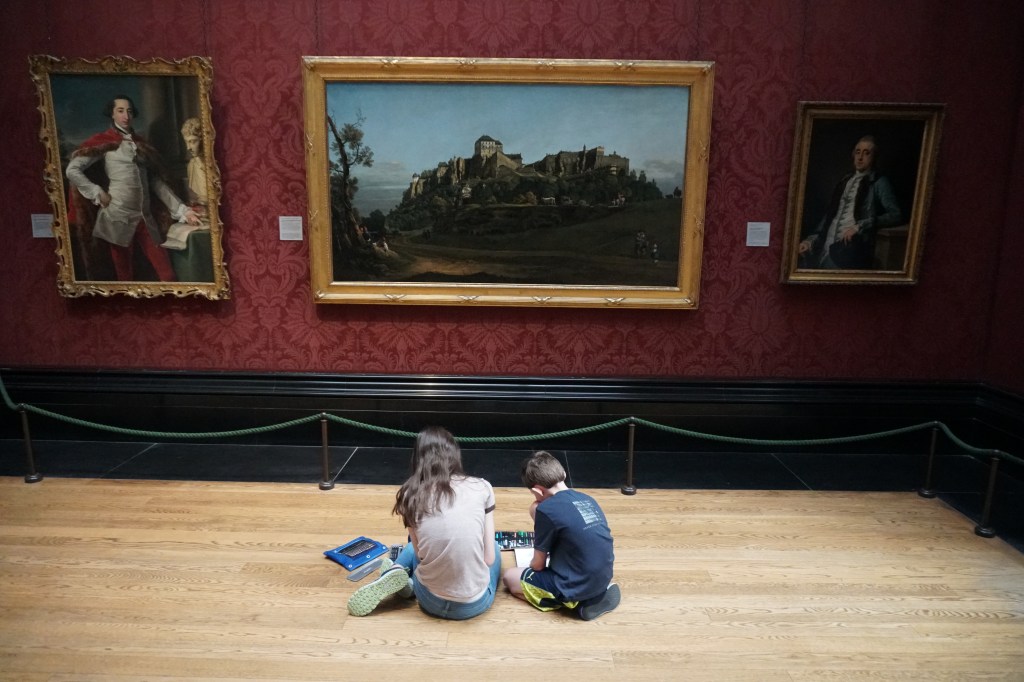
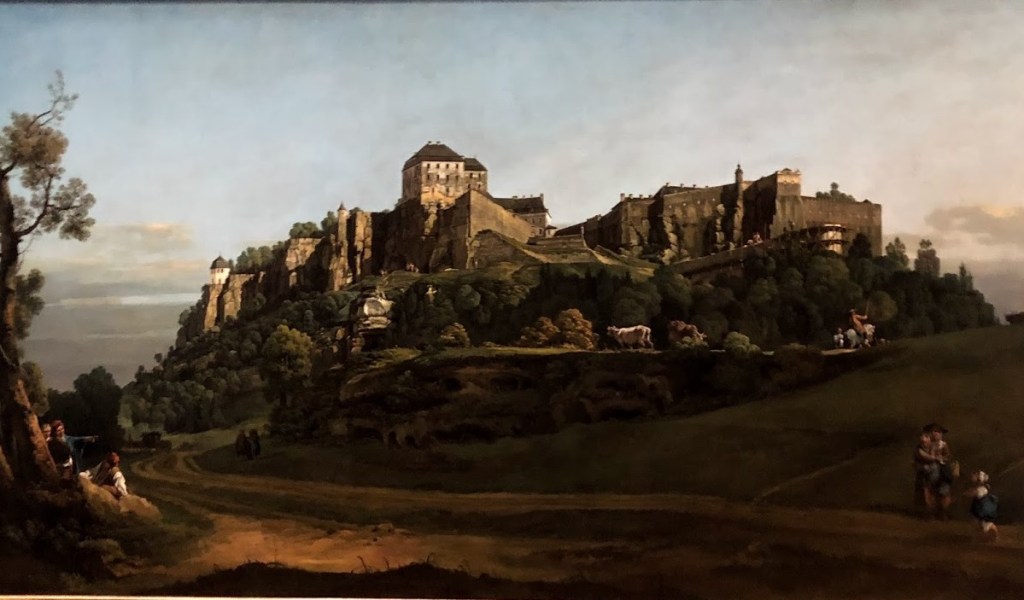
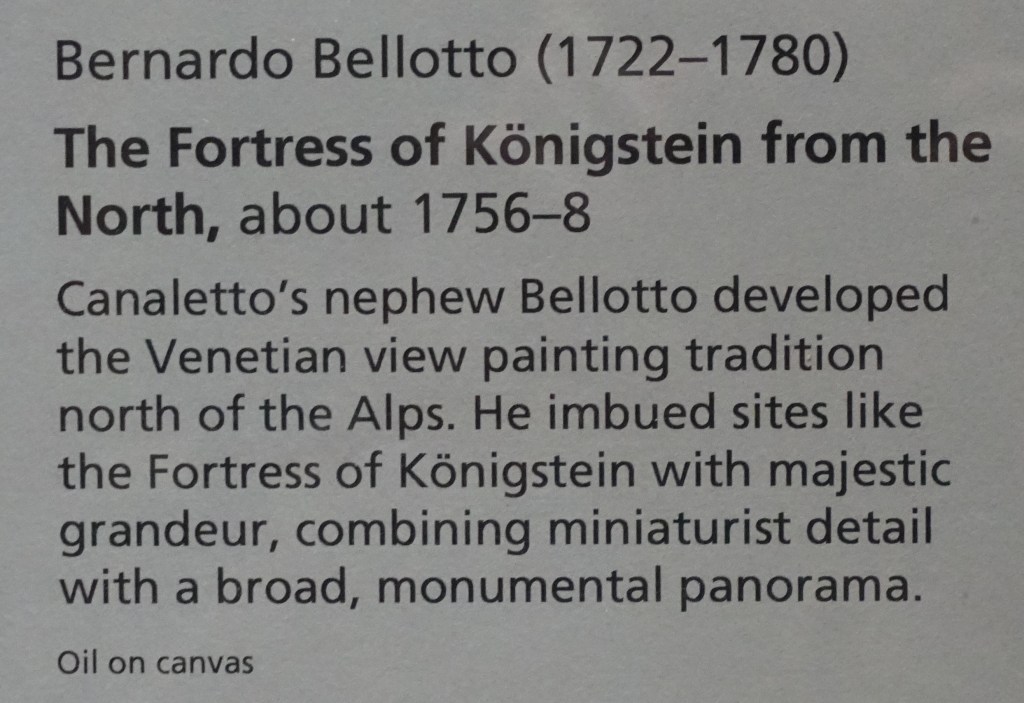
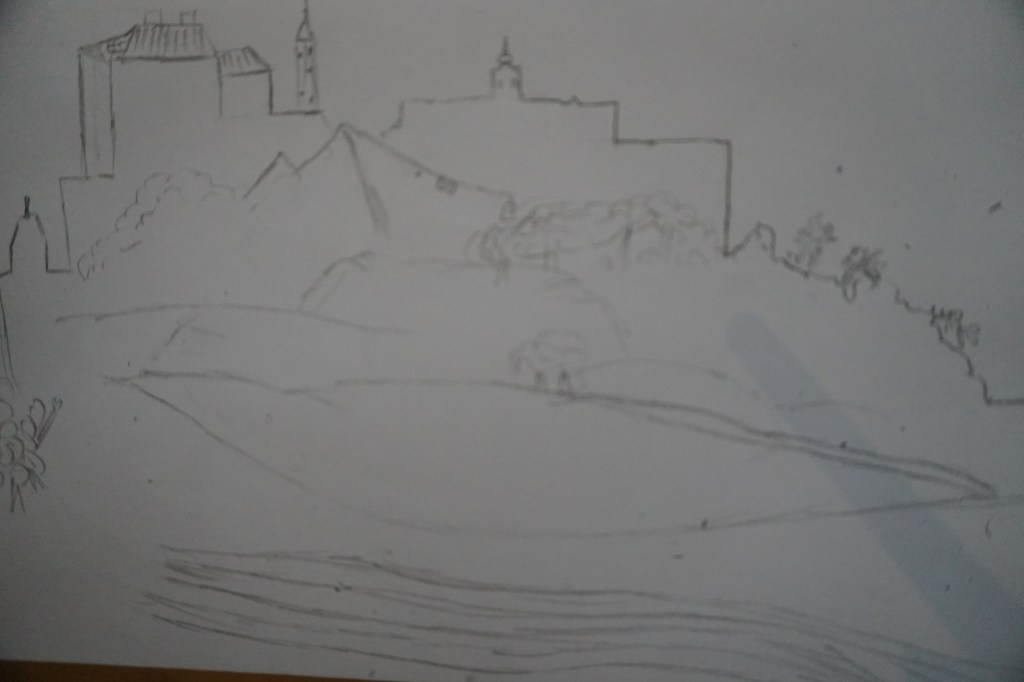
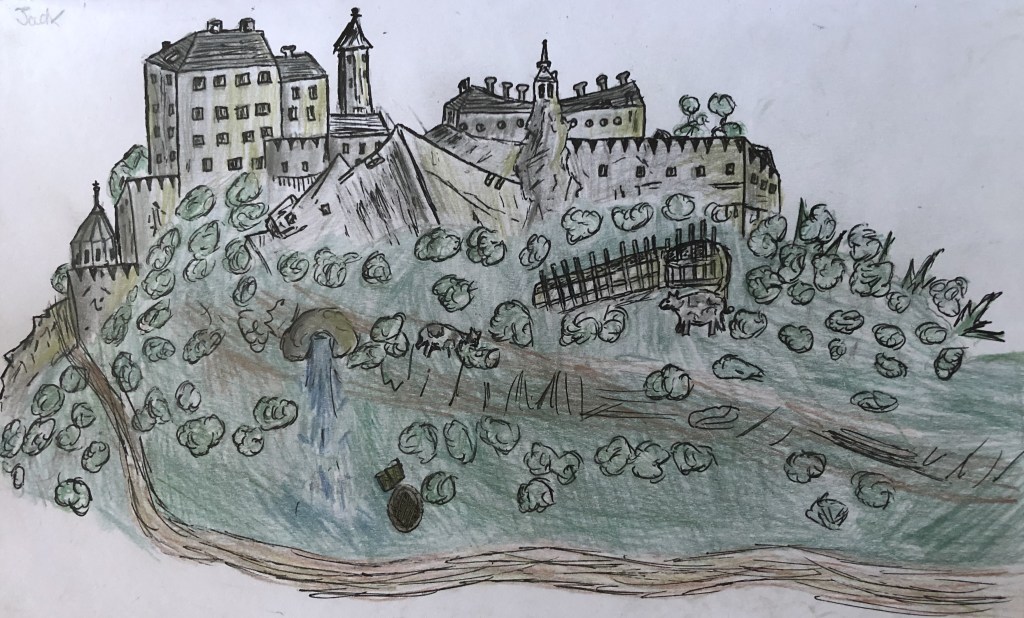
In London, we went to the National Gallery art museum. My sister and I drew a painting by Bernardo Bellotto (1722-1780) of a fortress on a hill. I hope you like my drawing! (4h pencil and metallic colored pencil)
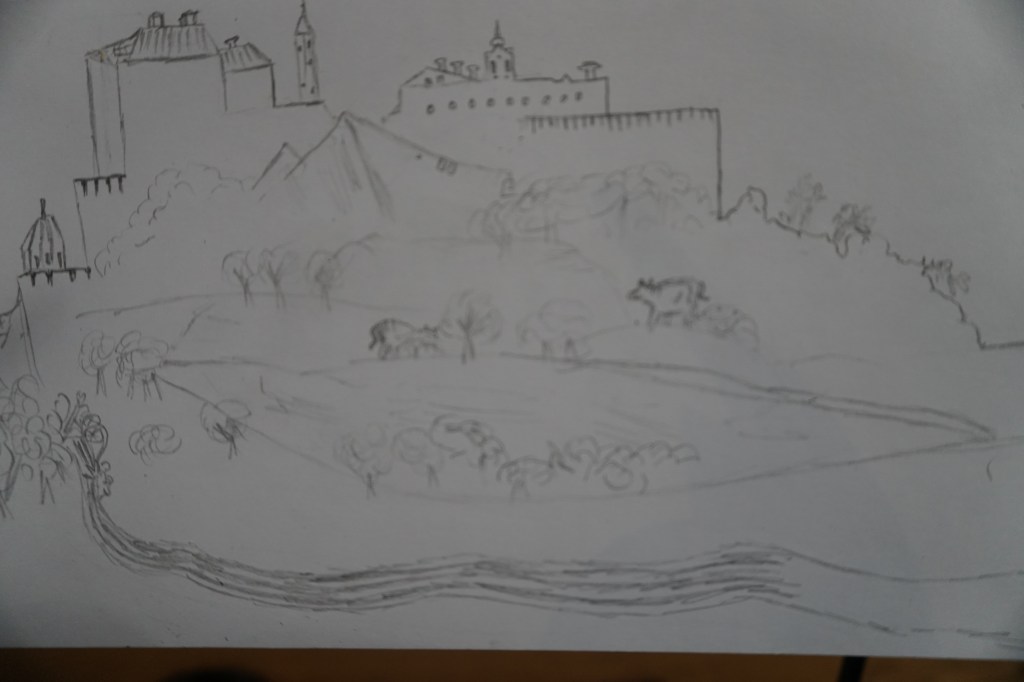
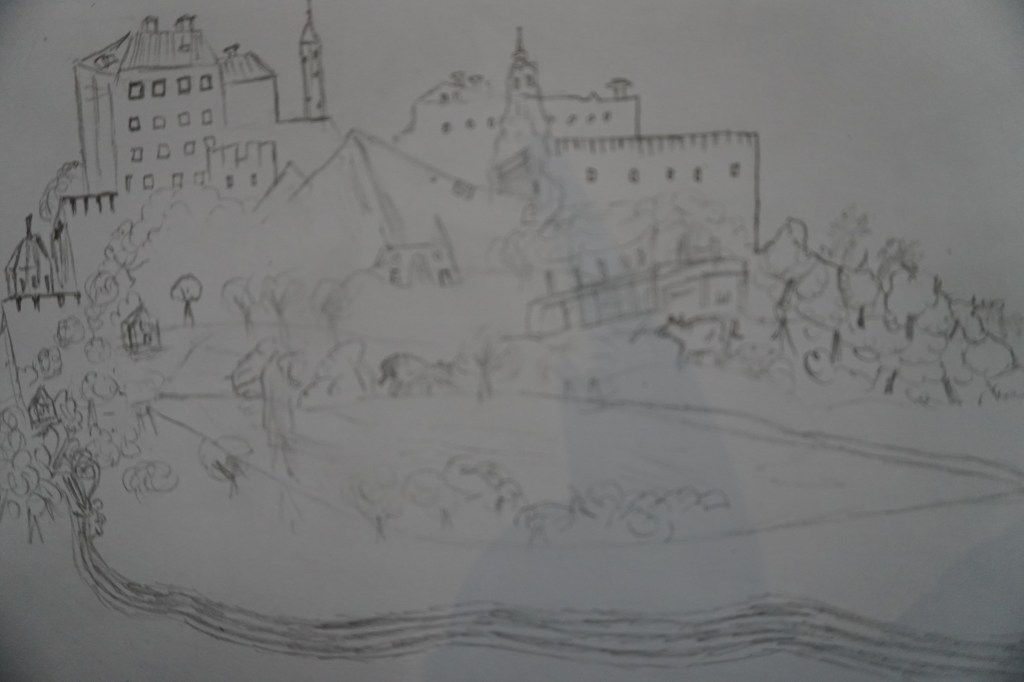
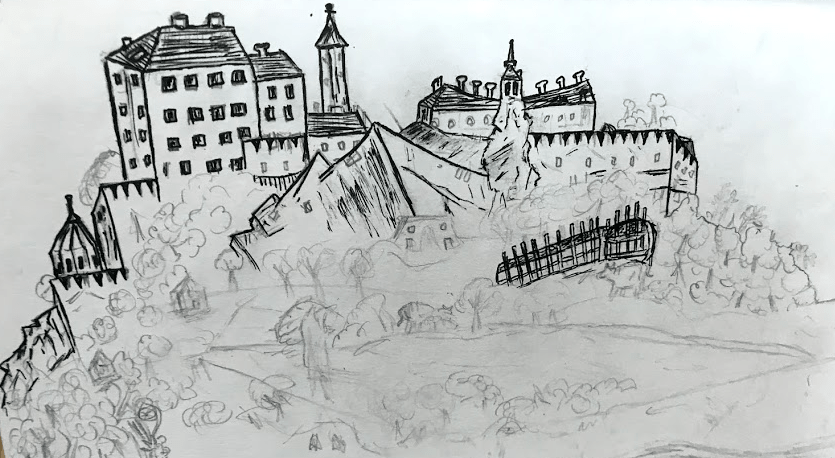
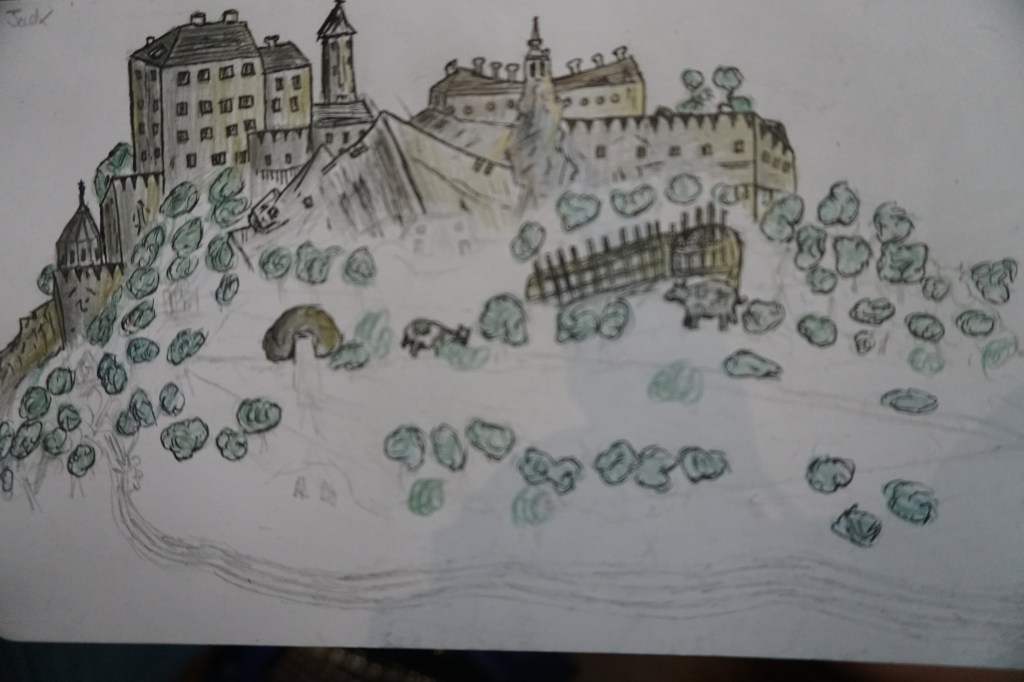
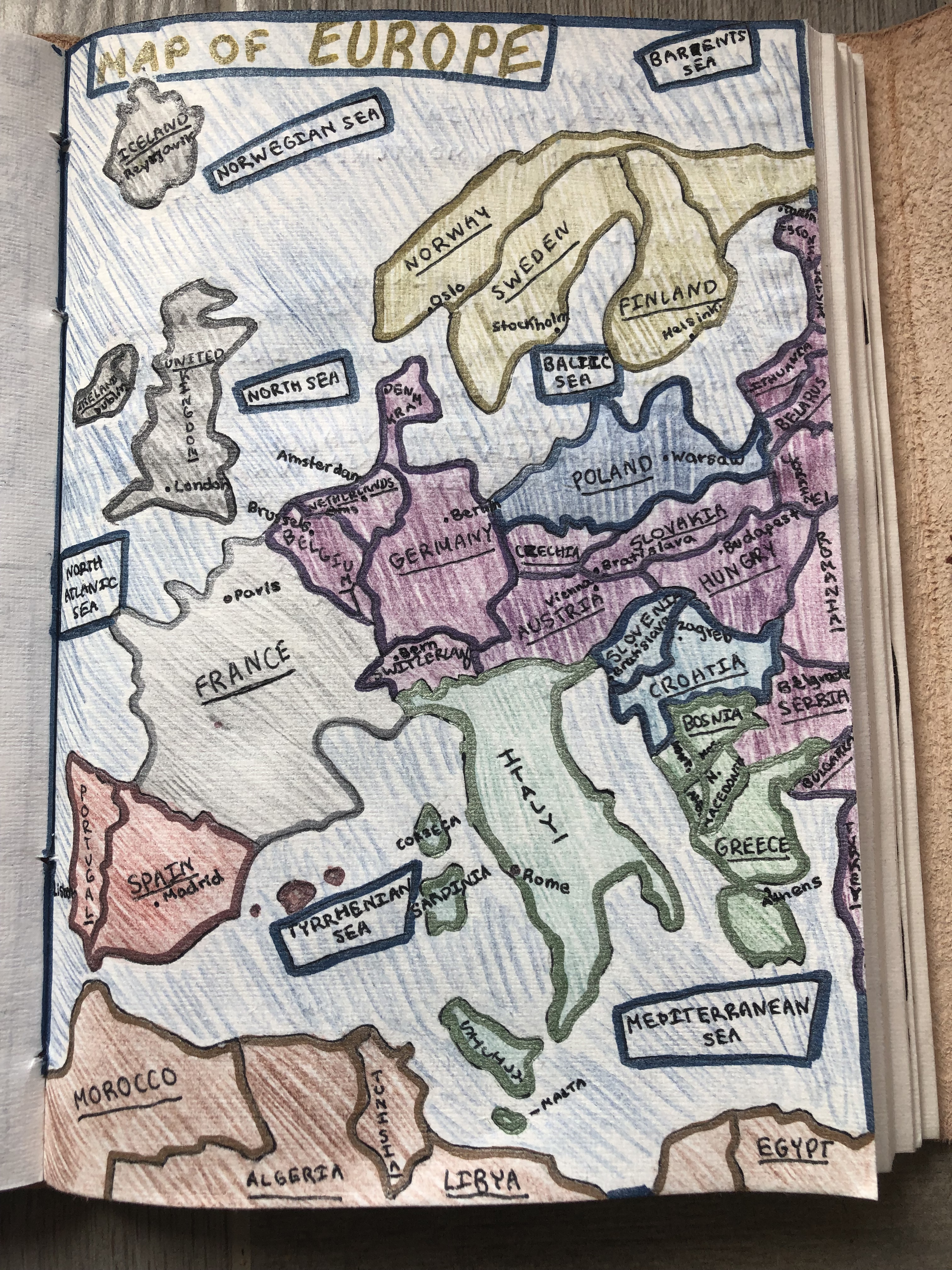
One of my goals on this trip is to memorize the exact location of every country in the world. So in order to do that I created my own map of Europe to help me reach my goal. Here it is ⬇️
 Worldschooling