Deep in the Serengeti

The first three days of our safari, or journey as the word means in Swahili, we spent in Tarangire National Park and the Ngorongoro Crater (check out Jack’s post on the Ngorongoro Crater). One of our goals during our safari was to see the Big Five. The Big Five are five of the biggest and sometimes the hardest animals to spot: elephant, lion, rhino, cheetah, and leopard. So did we complete our goal?
The Serengeti National Park

First of all, what does the word “Serengeti” mean? The word Serengeti has a very logical meaning in the Maasai language: “endless plains.” The Serengeti is a piece of land that stretches for 12,000 square miles across Tanzania and Kenya and has numerous game reserves protected and controlled by both governments. However, on our safari we ventured through the Serengeti National Park, which covers more than 14,000 square miles and is filled with some of the most extraordinary and spectacular animals in all of the African continent. It was established in 1951 in order to protect the animals and lions from hunters in that area. The Serengeti National Park is also one of the seven natural wonders of Africa and was announced a world heritage sight in 1979.
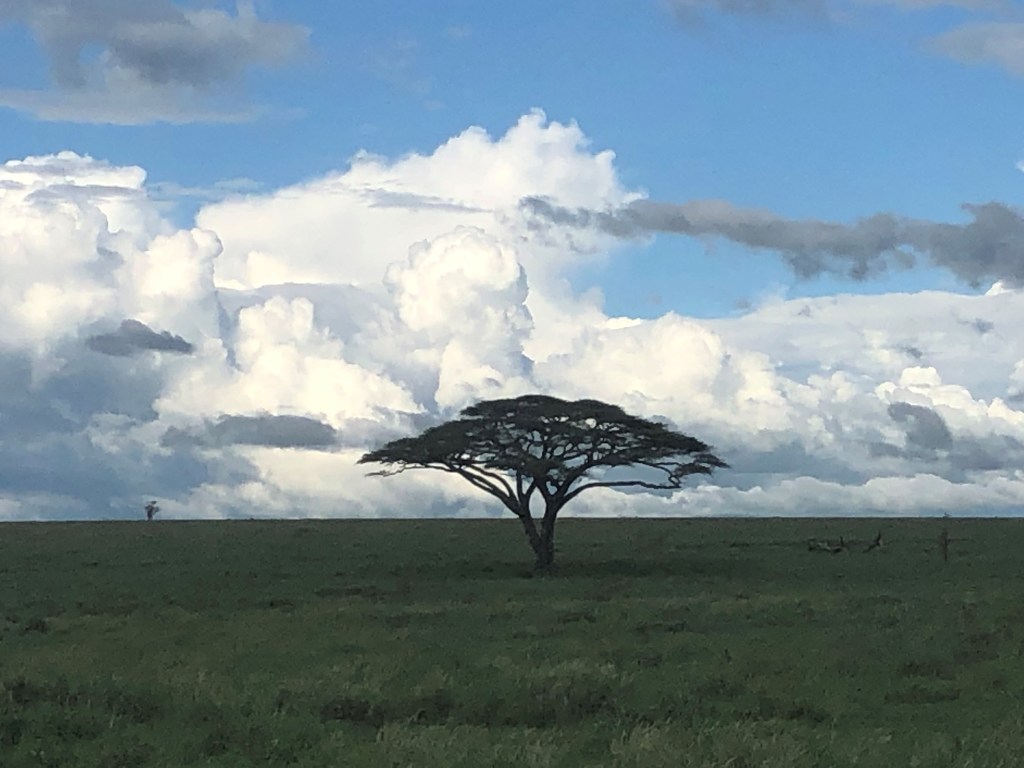
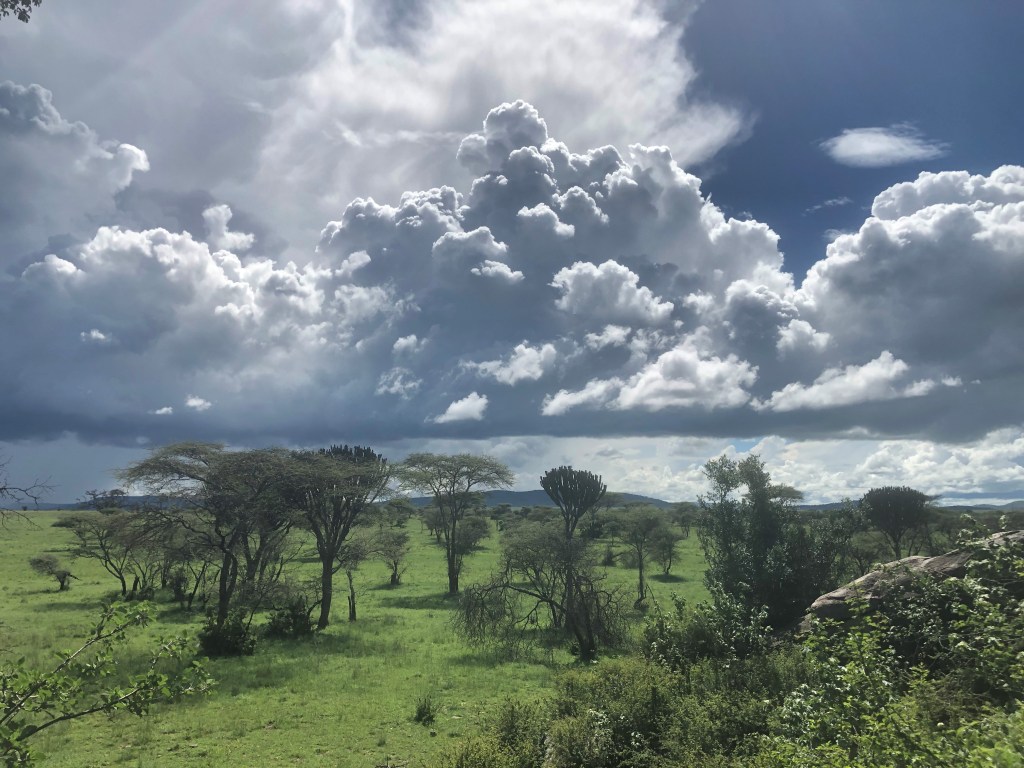
An Acacia tree alone in the plains

Weather

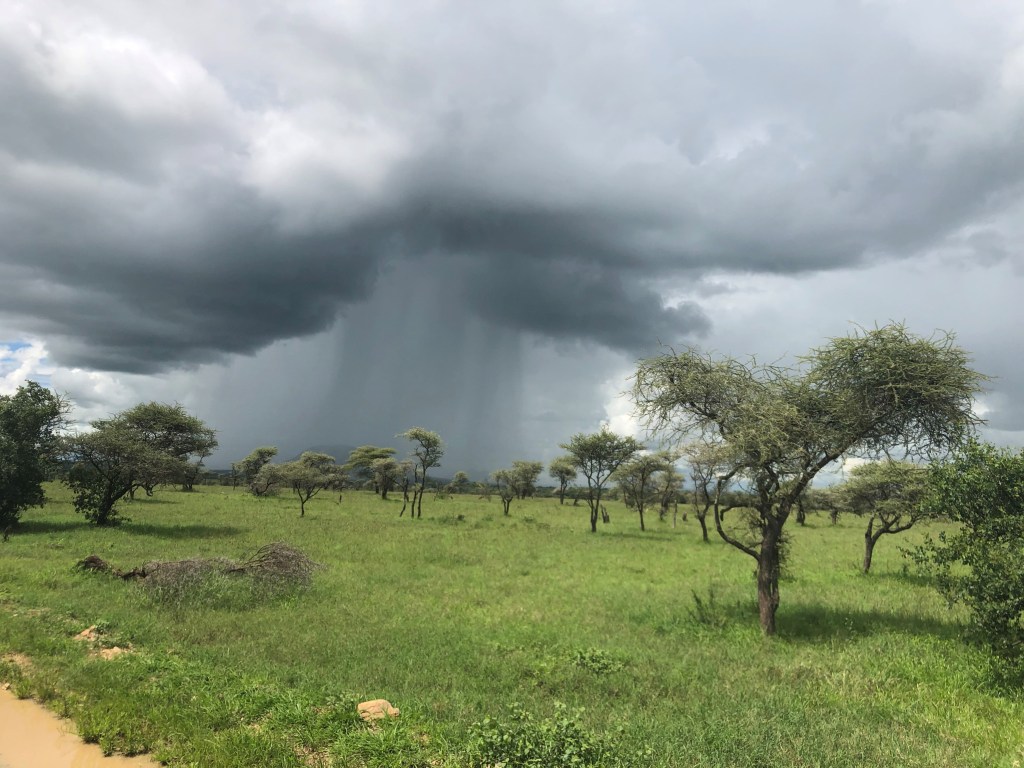
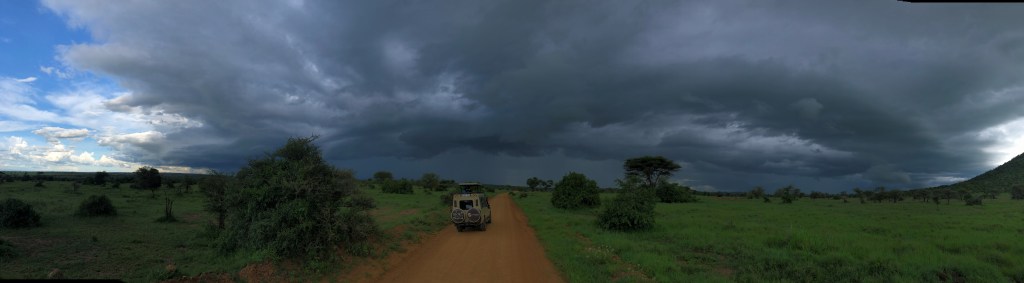
We came to the Serengeti in December. December isn’t part of the dry season — the season some people prefer to safari in order to see many animals gathering at water holes (because of the lack of water during that time) and also isn’t part of the rainy season that goes from March to May. December is in the short rainy season, which means it can get a little rainy but its still warm out, making what I think is probably the best safari weather.
Great Migration

The day we entered the Serengeti was a rainy one, and while driving through a rainstorm we saw hundreds of thousands of wildebeests making their way through the plains. This massive movement of wildebeest — the biggest migration of mammals in the world — is called the Great Migration. You can see this amazing migration at any time of year, depending on which part of the Serengeti you’re in at what time. But, although wildebeest do make up the majority of animals in this migration — there are several million wildebeest that are part of it, with around 500,000 being born each year during calving season — other animals including zebras and gazelles take part in this journey too. All throughout the year, these animals migrate together around the Serengeti area through Tanzania and Kenya, and make a loop back to where they started.
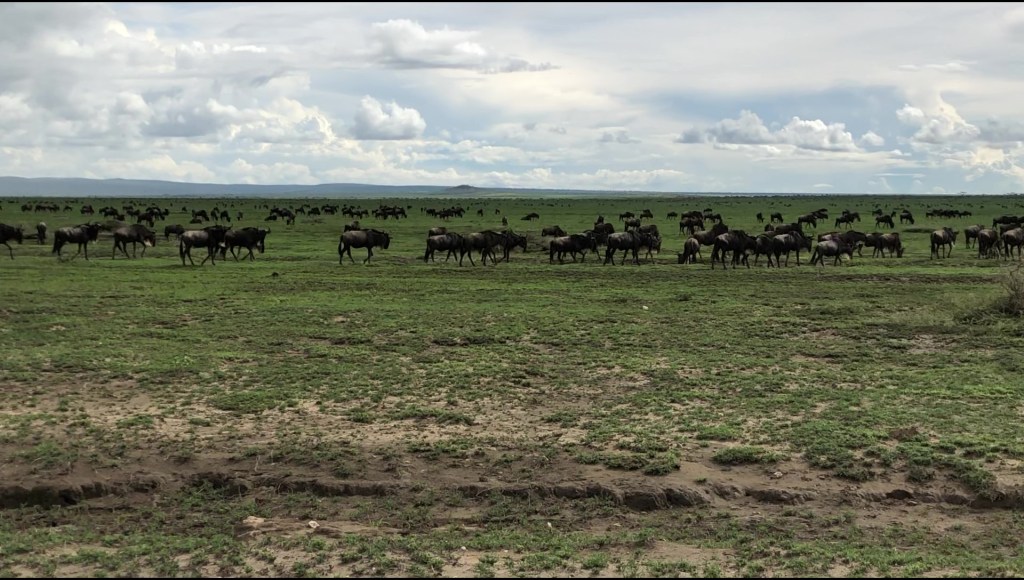
For over an hour we drove through vast herds of Wildebeest- as far as the eye could see.

But for what reason do they migrate? I can give you the answer in just one word. Grass. If you don’t know already, many animals that live in the Serengeti eat grass, which is perfect proof for why the Serengeti’s name, “endless plains”, is a true fact. Yes, all these animals migrate in search of the same thing: the greenest, most luscious grass they can munch on.

Each calving season, more and more wildebeest are born, their numbers growing larger each year, making it hard to know the exact number of wildebeest around at this very moment. But you’re probably wondering, if there are so many wildebeest being born each year, wouldn’t there be many dying too? The answer is of course, yes. If you are a wildebeest, there are risks waiting on the other side of every river you cross. (Yes, wildebeest do cross rivers!) In addition to the growing wildebeest calves born each year, according to https://www.mahlatini.com, more than 250,000 wildebeest “will die as a result of injury, exhaustion or predation.” It was amazing to see all the wildebeest, mixed with some zebras, out in the wild. Because of the rain, the animals had stopped moving to rest and eat grass to restore their energy so they could keep moving once the rain subsided. My dad has talked about wanting to see the great migration, and I guess his dream came true. Although it’s not actually that hard to see because the animals move at an arguably slow pace and there are so many of them moving at once. (Check out this website to see what the best times and places to see the great migration are)

Elephant

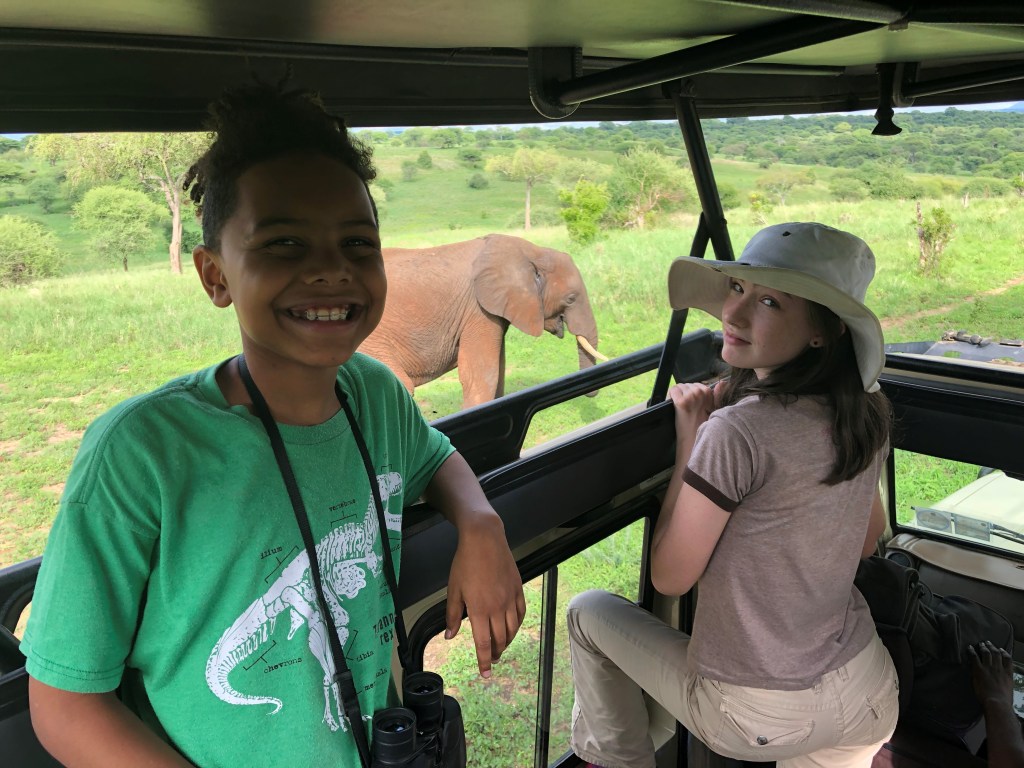
Elephants turned out to be the easiest to spot and not only because they’re such large animals. Mainly because they travel in big groups or stampedes, which really helps them stand out of the crowd. Elephants stay together through whatever their daily activities may include such as finding good grass to chew on (sound familiar?) or taking a mud bath in a waterhole to cool down (but this is mostly in the dry season when the weather is hotter). But elephants spend the majority of their day eating; an average adult can eat 300 pounds of food on a daily basis according to National Geographic.

Sometimes male elephants will decide to part from their group and basically join forces with other males, creating their own group that they will stick with. Our guide Anin taught us some pretty cool facts about elephants, one of them being that elephants are actually either left or right handed (or very rarely, ambidextrous) like humans, except they do everything with their tusks instead of hands. You can see the proof just by looking at which elephants tusk is shorter than the other. If an elephant’s tusk is shorter than the other, this means that it is being used more and therefore worn down. We also learned that when elephants get stressed or frustrated, they have glands on the sides of their heads called stress glands, that release fluids. When elephants are in this state, it’s a sign to stay away from them.
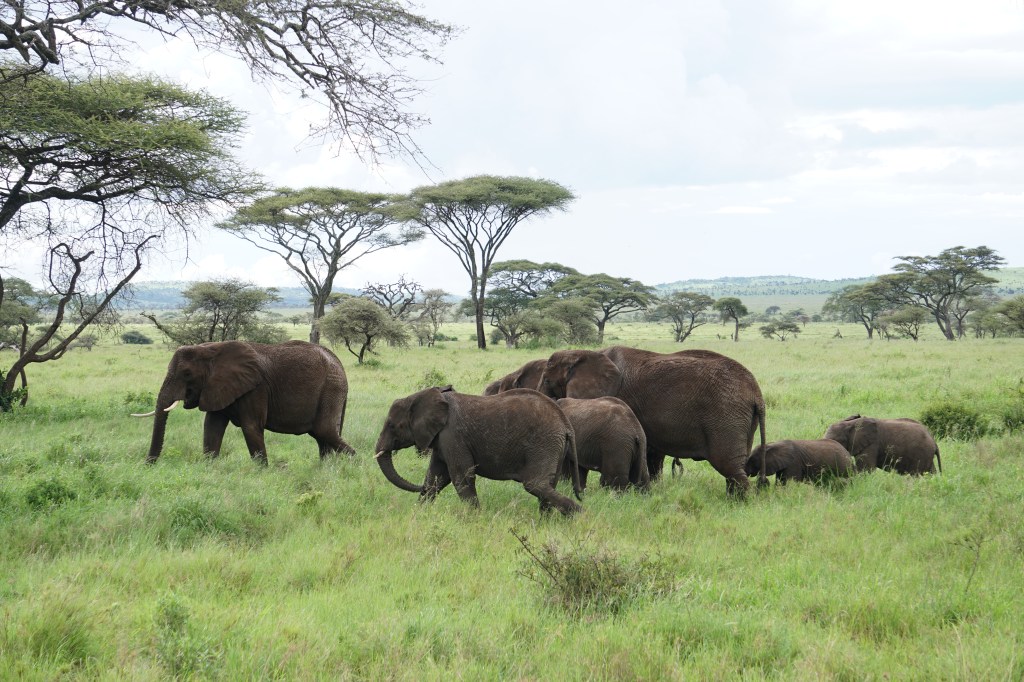
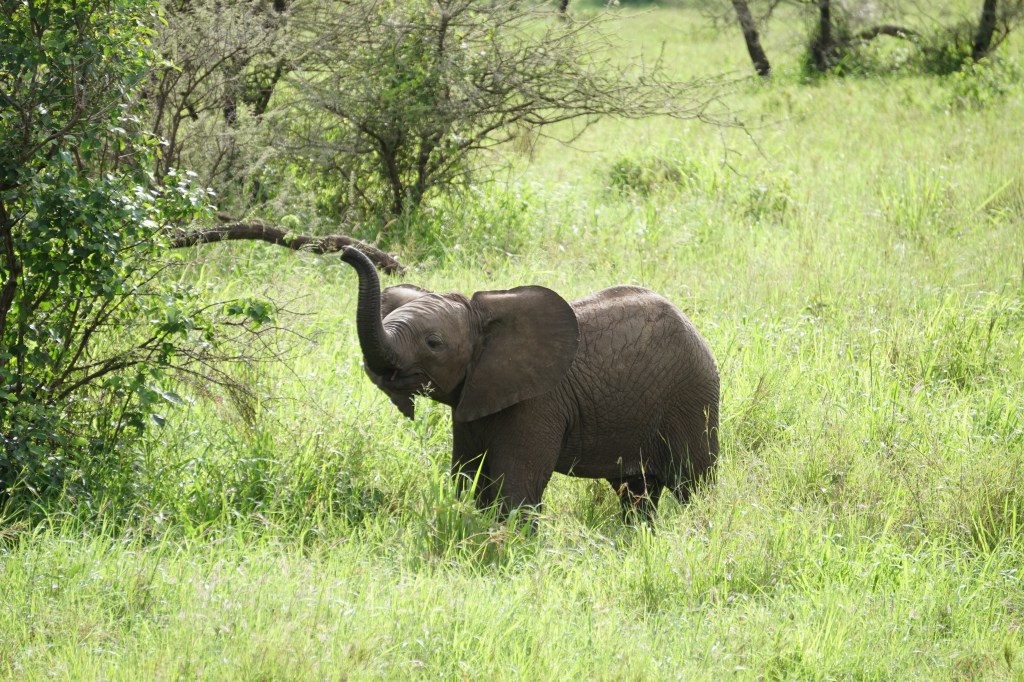
Baby!

Lion

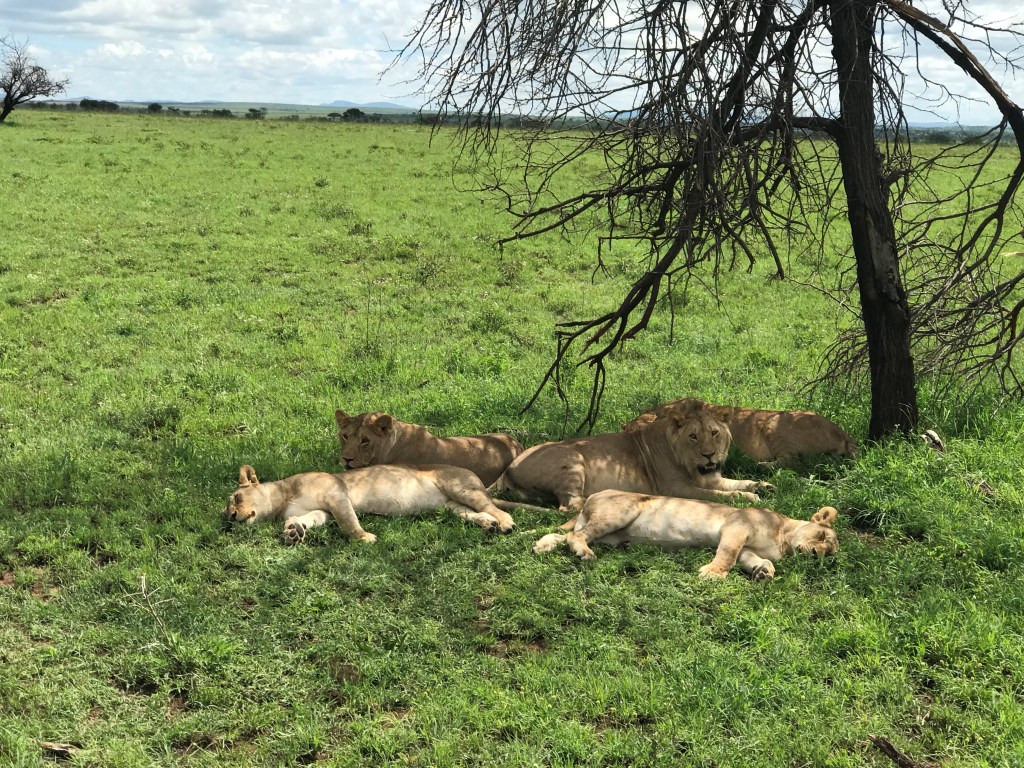
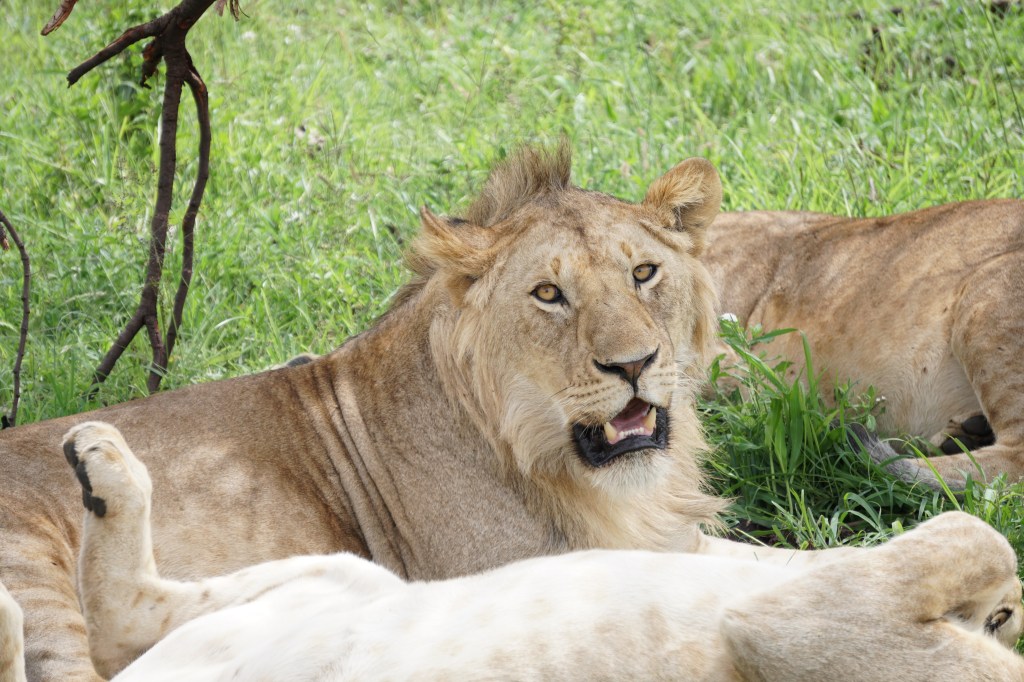
We happened to see a fair amount of lions which makes sense because Serengeti National Park holds more than 3,000 of them. Our biggest encounter was 13 female lions scavenging for food (because they mostly do all the hunting). By the end of our entire safari we had seen 37 of them in all.
Black Rhino

We saw black rhinos way off in the distance during our trip to the Ngorongoro crater, but if you want to know more about that, check out Jack’s blog post.

Cheetah

There are 7,100 cheetahs in the world, but only 300 of them in Serengeti National Park. We ended up seeing a total of nine cheetahs, which is something I didn’t expect. Mostly we saw them through binoculars, hanging out in the grass under trees. We even once saw one searching and sniffing the air for prey, alert for any animal it could sneak up and pounce on, preferably a juicy gazelle that would cure its hunger. We did once have our last encounter with a cheetah that was close enough to us that we didn’t even need to use binoculars to watch it.
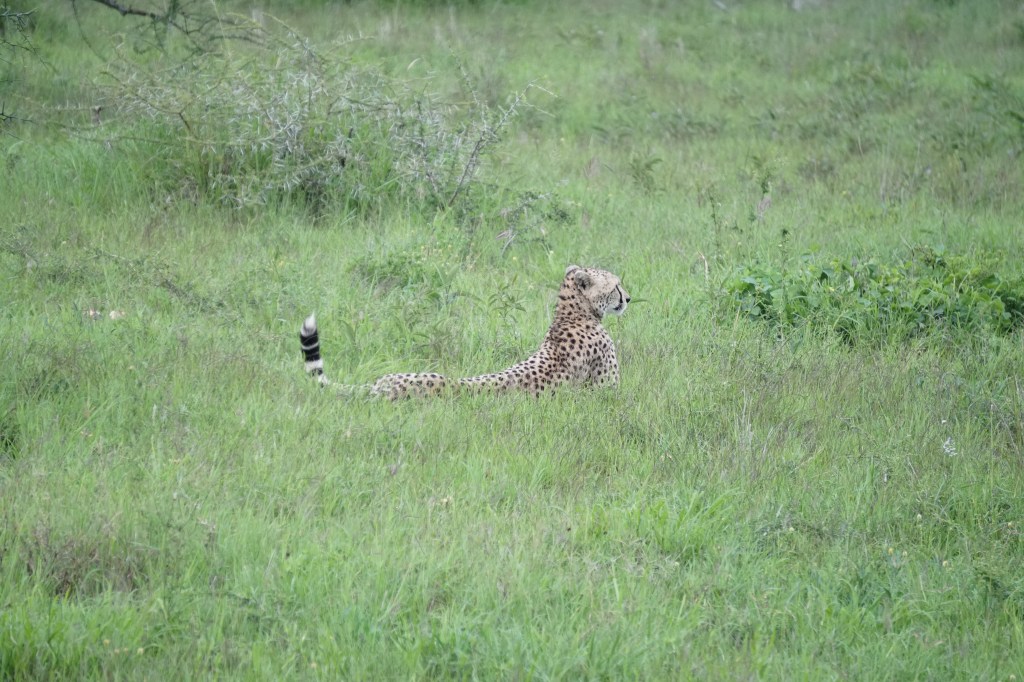
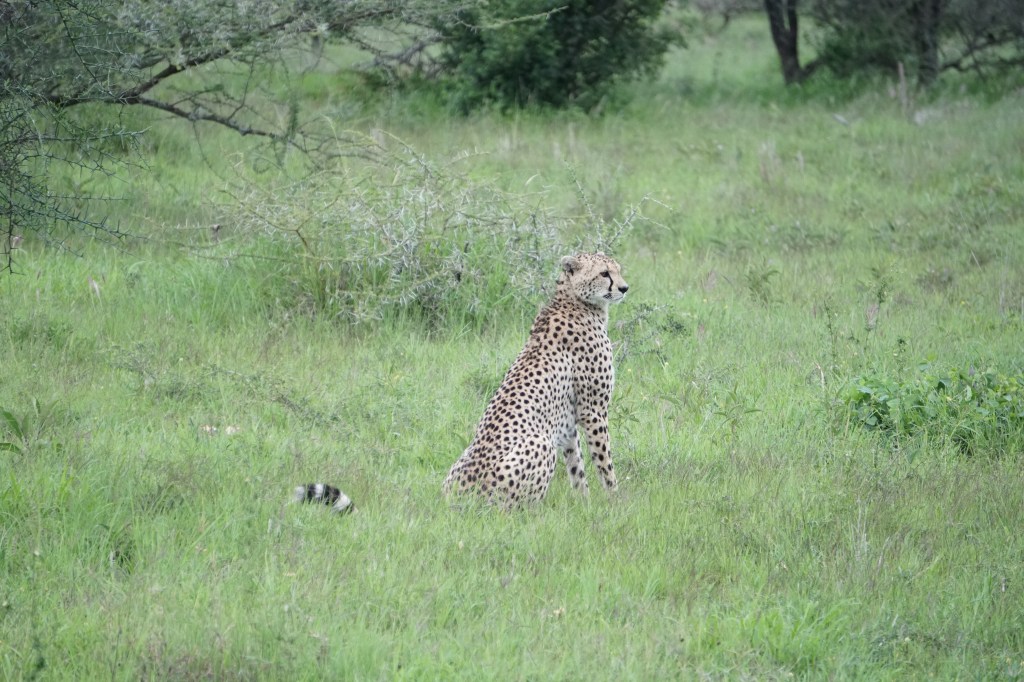
Searching and sniffing the air for prey

Leopard

There was only one Big Five Animal that made itself the trickiest to spot. Yep, you guessed it. Leopards. I saw two leopards on our safari, because even though there are around 1,000 of them in Serengeti National park, they are nocturnal and spend most of their day sleeping, hidden in trees (yes, the Serengeti does contain trees) or surrounded by tall grasslands. We drove around in areas with a lot of Acacia trees, searching for the outline of leopard markings through the brush. It took multiple drives, but eventually Anin spotted a leopard (how he can spot them so easily, I have no idea) lounging around under a tree, napping. Every five minutes or so it would bob its head or body up for a moment, checking its surroundings. My second and most fortunate leopard sighting was actually on our last day of safari when our safari group had split up into a kids truck and an adult one. After two hours of animal sightings we started heading back to our camp. Because it was our only evening outing, by the end of our last game drive it had already gotten dark out and the only light besides the moon and stars was the headlights of the safari truck guiding our way back. Suddenly we rounded a corner and the headlights of the truck shone a bright spotlight on a leopard, searching for prey to catch for its meal that night.
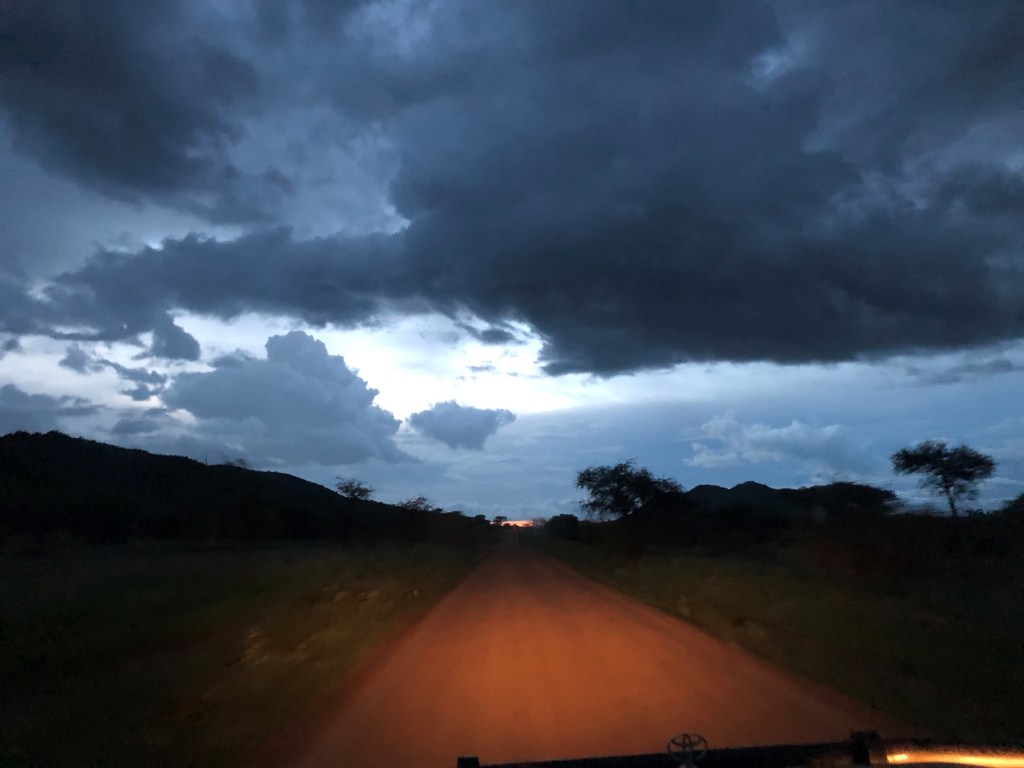
We were heading back to camp and saw a leopard (its not in this photo though because we didn’t have time to whip out cameras)

That leopard was the last animal we saw on our whole safari and it was incredible to see the beautiful spotted creature on the road in front of us. Sadly, (but not for us) the adults didn’t have the chance to see that last cheetah encounter, so it was a pretty special moment for us kids. That memory is definitely one I won’t forget.
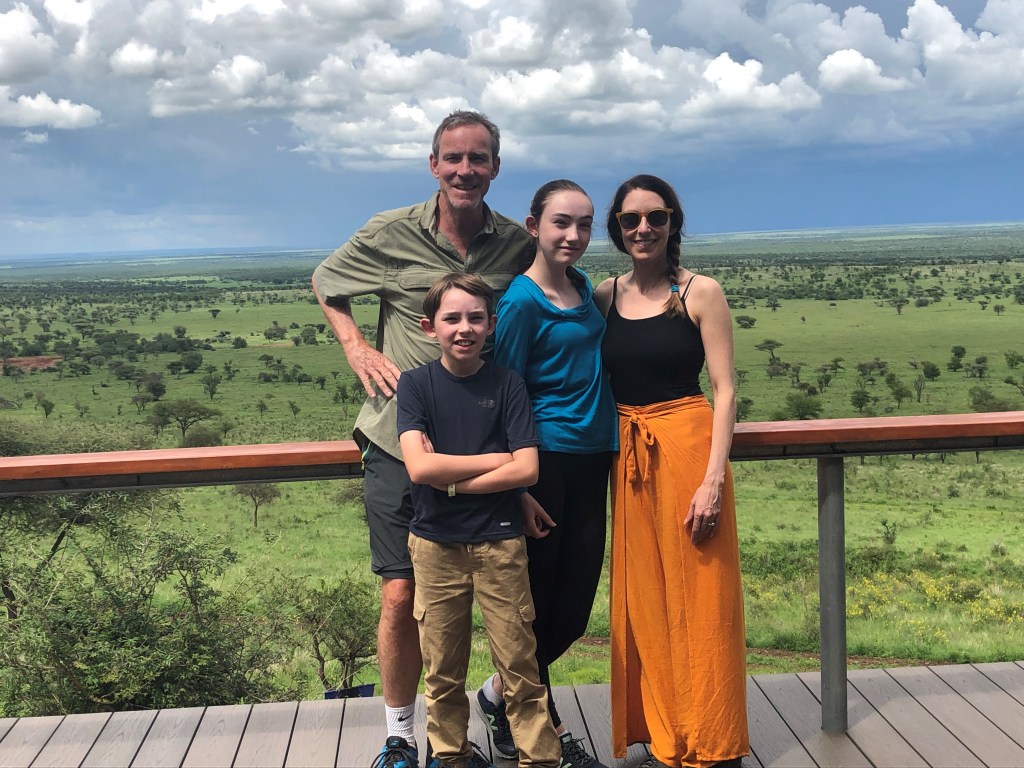
Thanks for reading! Stay tuned for videos of our safari coming soon on our Youtube channel On the Road With lJ.
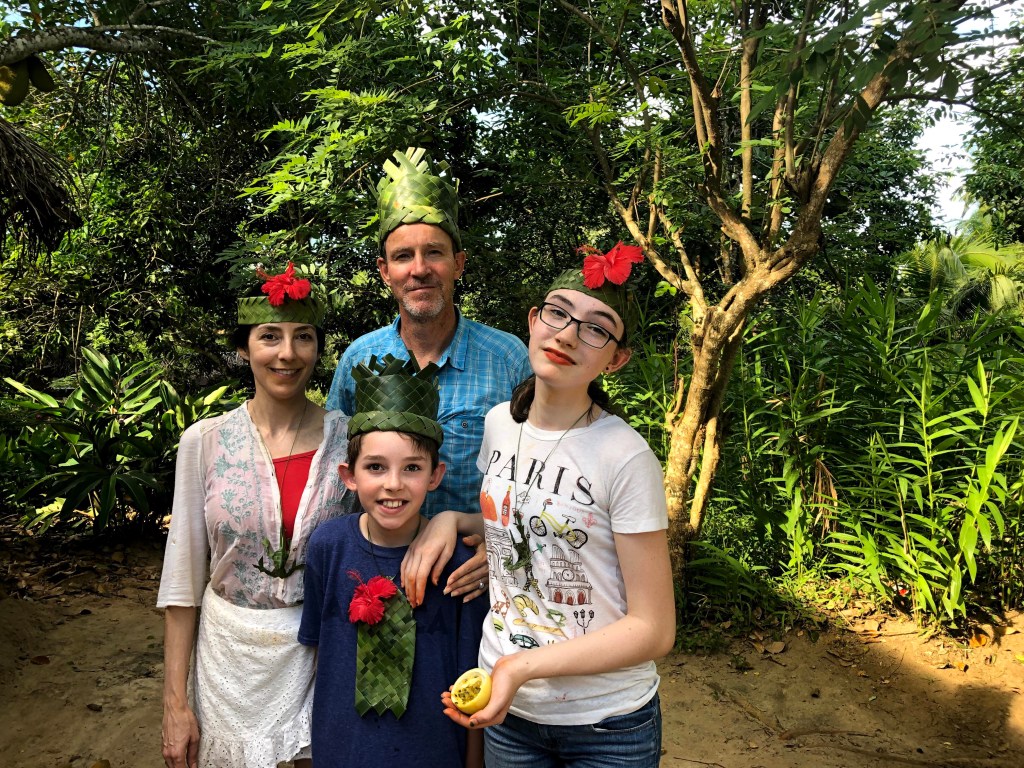
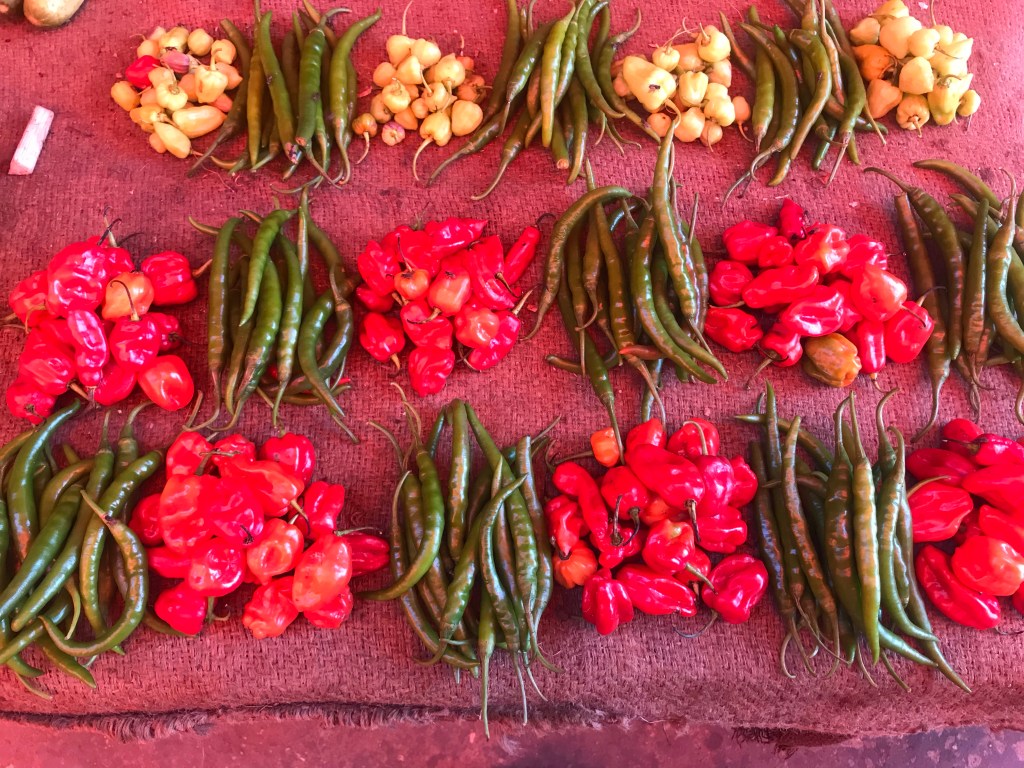
SPICE AND FRUIT TOUR IN ZANZIBAR

Get ready for your senses to be amazed by the color, texture, smell, and taste from the roots of Zanzibar! This blog post is going to consist of all the different spices and fruits we encountered during our tour at the farm, and I’m also including tons of pictures. 
SPICES

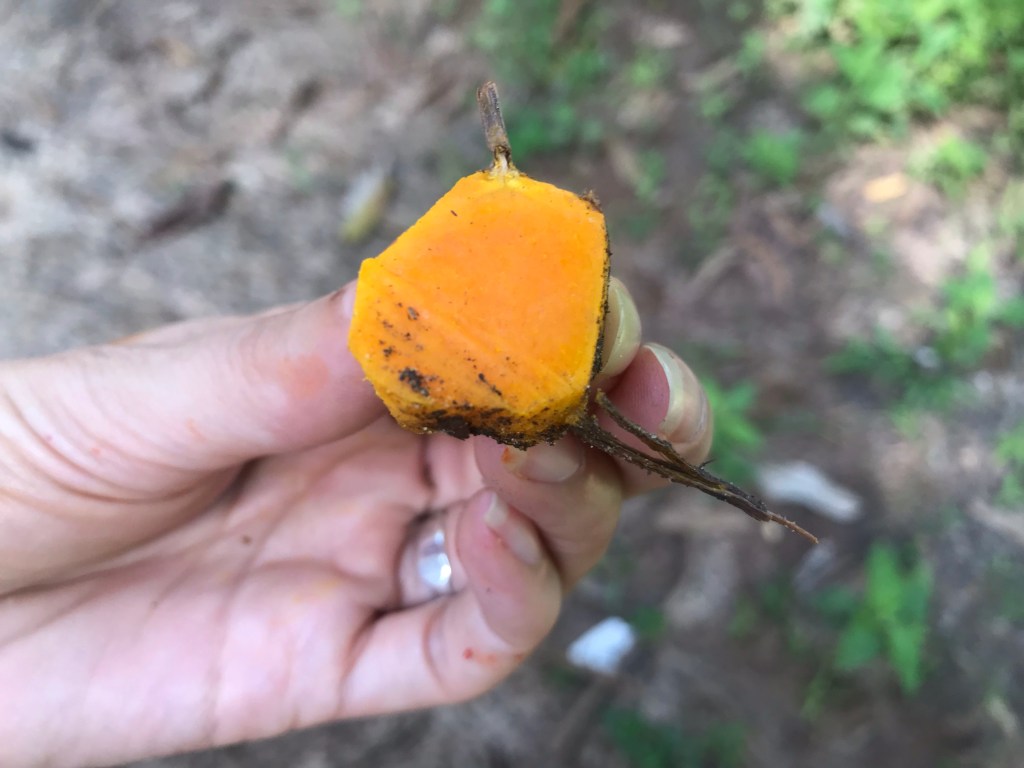
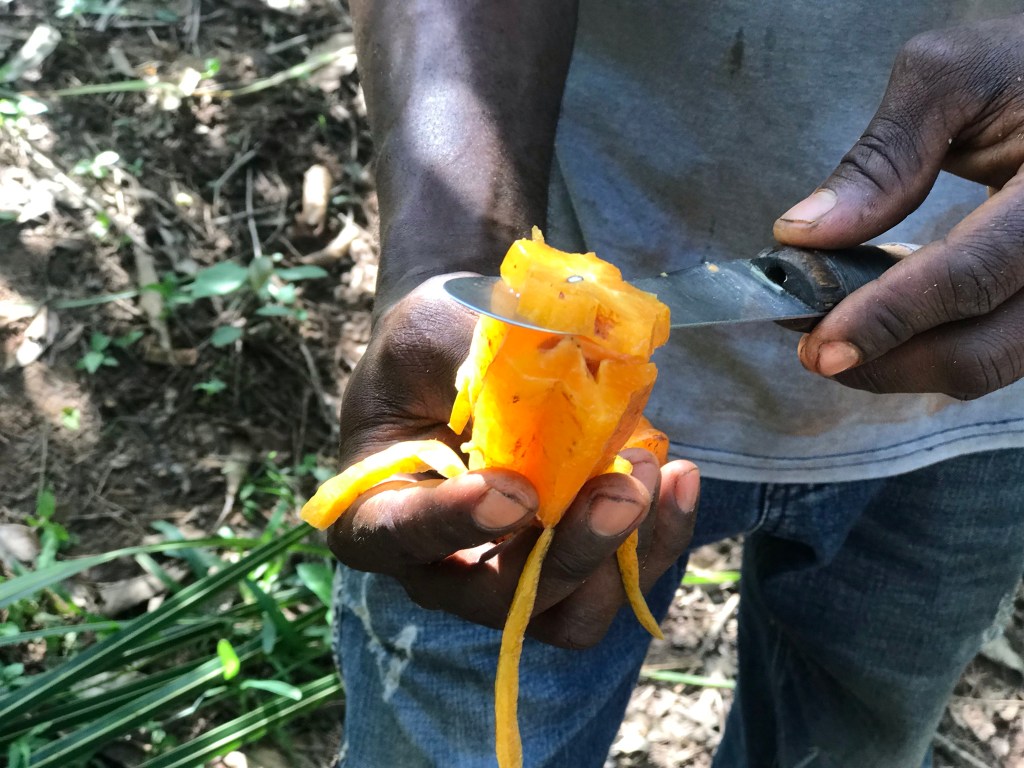
There are many spices grown at the farm that you probably use in your daily life. Some of them look different before they’re processed and placed in stores. For example, when we saw turmeric, we thought that it was a carrot or a ripe mango because it has this bright orange color. The guide gave us a tiny piece to sample, and it lets off a really intense flavor.

Turmeric

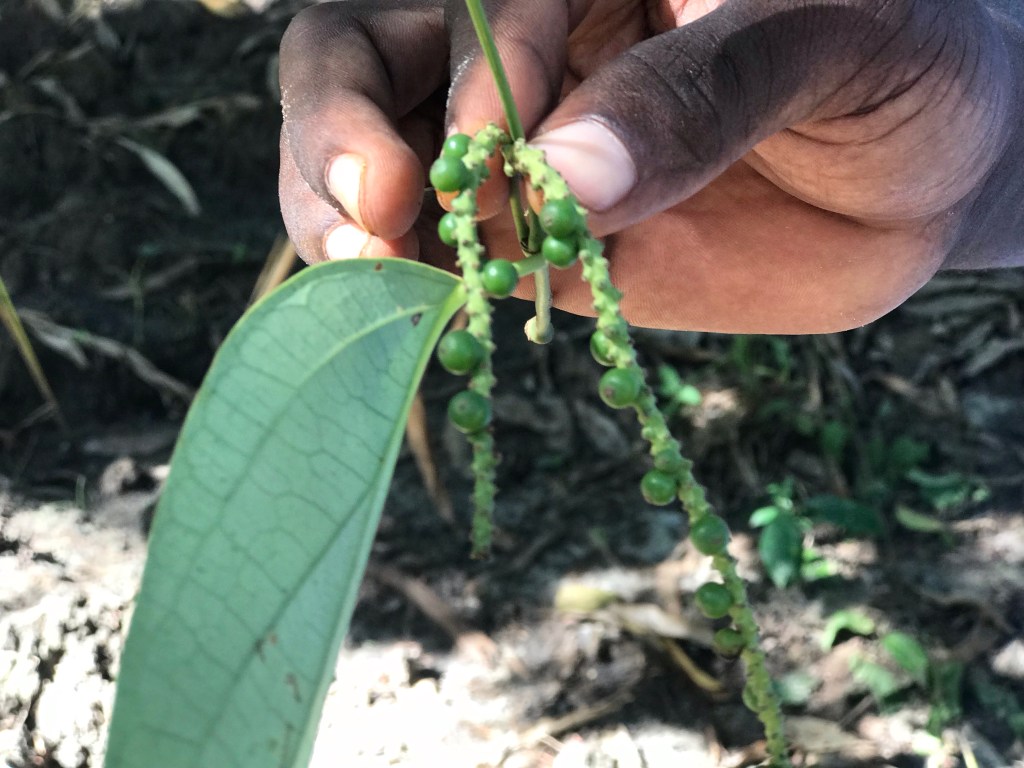
Can you guess what this is?

Ohhh, so that’s where the pepper inside your pepper grinder came from! These are peppercorn berries growing on vines. This is something I had never seen before. We learned that apparently all the peppercorns start off as the same kind, but get changed into either white, red, or black peppercorns, depending on how they are processed. 

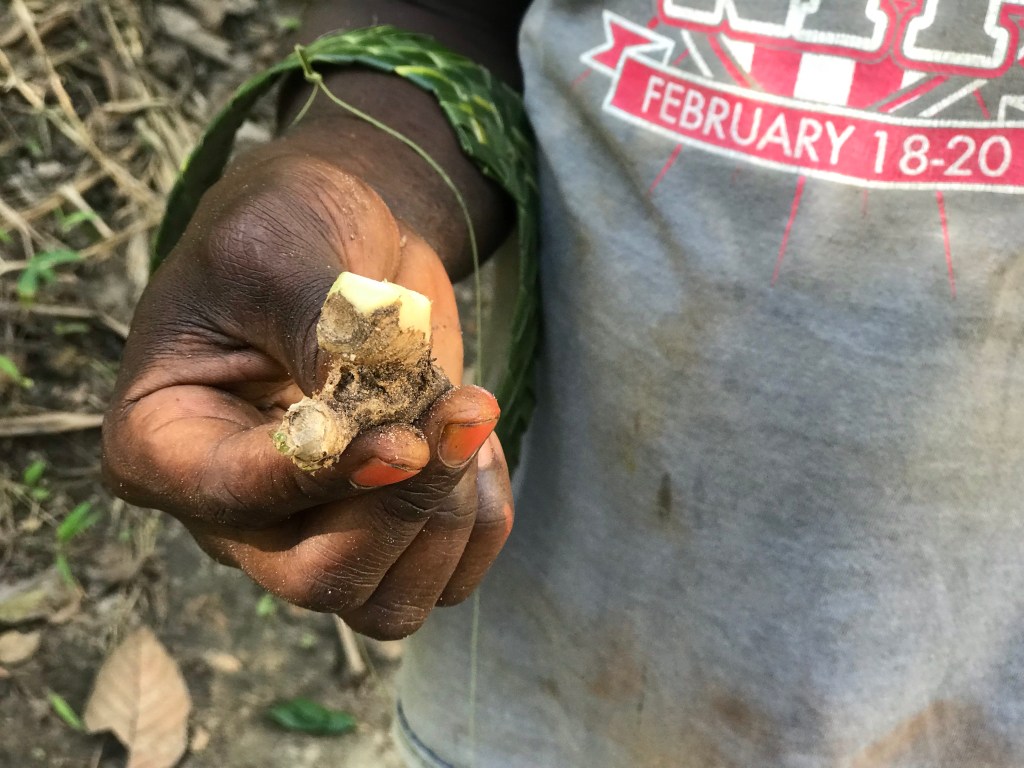
We saw some fresh ginger that we even got to try!

Ginger

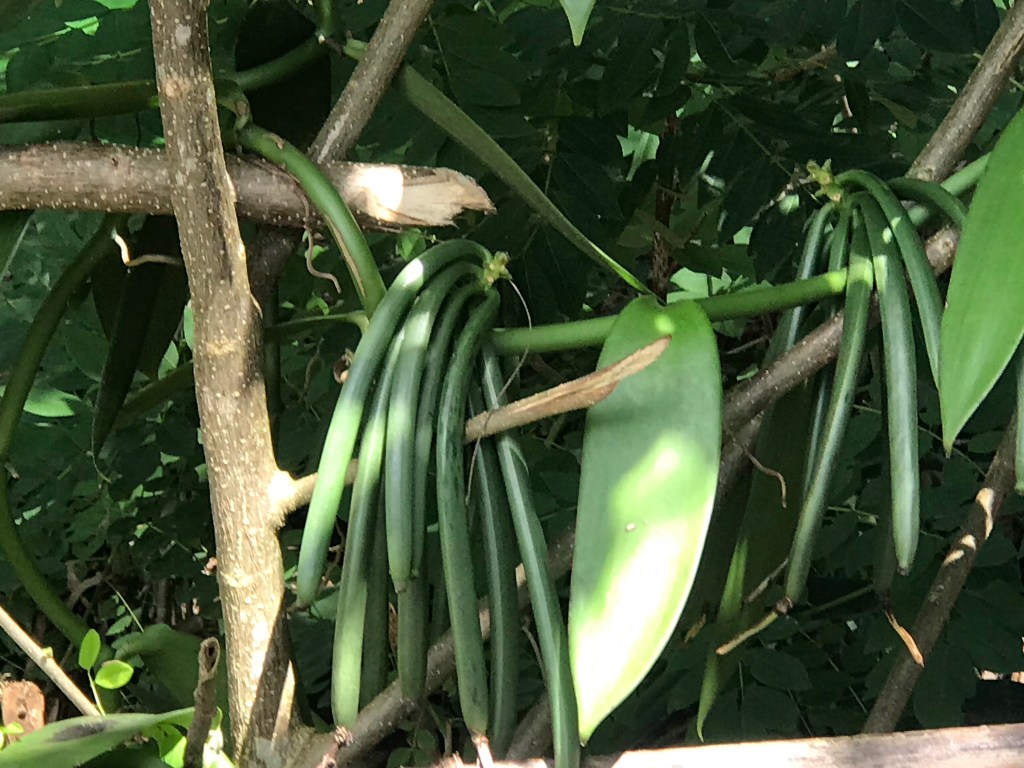
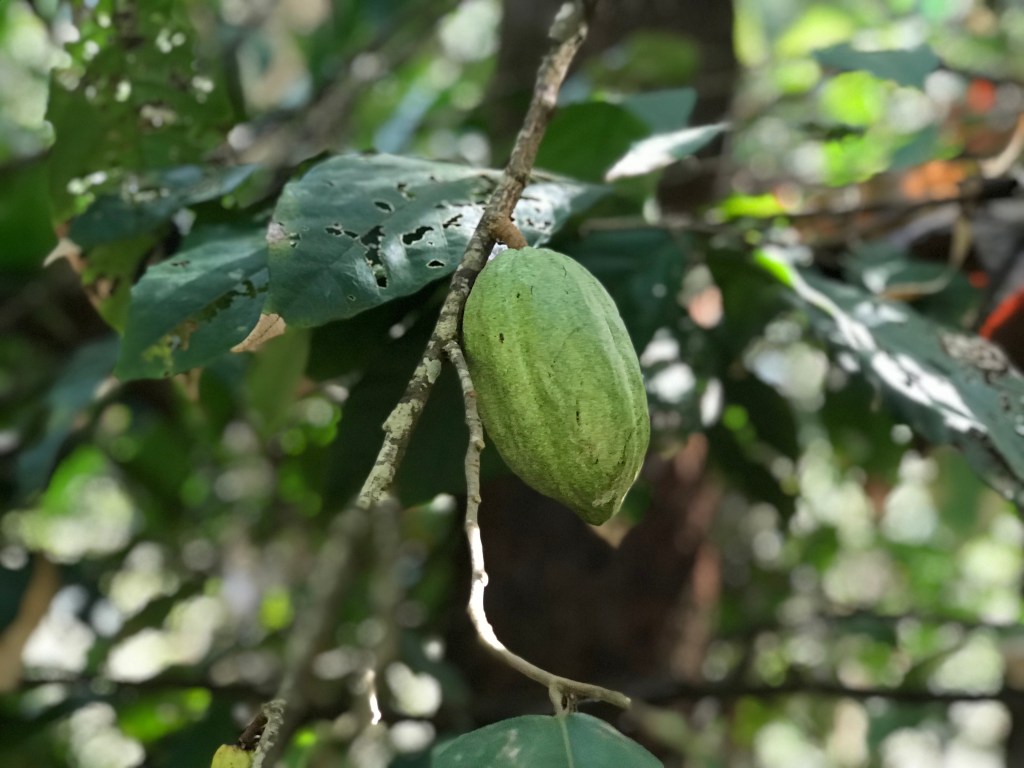
The farm also grew coffee beans, cacao beans (that come from cacao fruit), and vanilla beans that grow on vines, which were hard to define at first. We learned from Yahya that his family eats the cacao beans raw, which isn’t something I’ve ever done, but apparently they aren’t as bitter as the cacao itself.

Vanilla Beans
Cacao Fruit

When our guide pulled a root off the base of a tree and handed it to us, I immediately guessed that it was cinnamon bark, judging by its familiar, and strangely comforting smell. The bark reminds me of cinnamon sticks, which are actually made from cinnamon bark itself. 

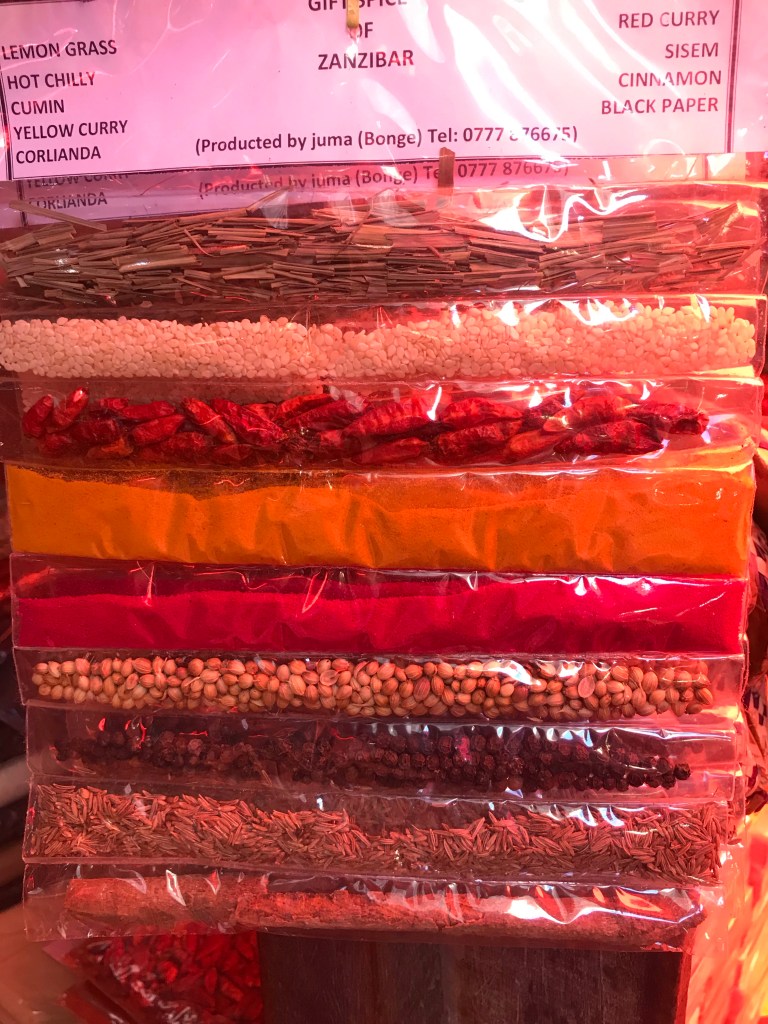
We saw and tasted other common spices such as clove, cumin, and cardamom. Each had interesting smells and/or tastes. The farm was selling different sample sized scents and spices, and we bought a bottle of vanilla perfume, and one of lemongrass, which we learned could be used as bug repellent. It actually works!

View at Medium.com

Since we’re on the topic of cinnamon, here’s a link on why CASSIA, a type of cinnamon sold at your local grocery store can actually be HARMFUL TO YOUR HEALTH, and why you should actually be buying CEYLON cinnamon instead. 

FRUITS

Getting to see and/or taste all the exotic fruits typically grown in Zanzibar was personally my favorite part of the tour. Many of the fruits that grow there either aren’t even exported to the US, or you can find a similar variety at a Asian market such as lychee. 

A lot of the fruits we saw were very different versions of the same fruit I’m used to, and there were even some that I’d never even heard of until coming to Zanzibar! There is such a wide variety of tropical fruits that grow there.

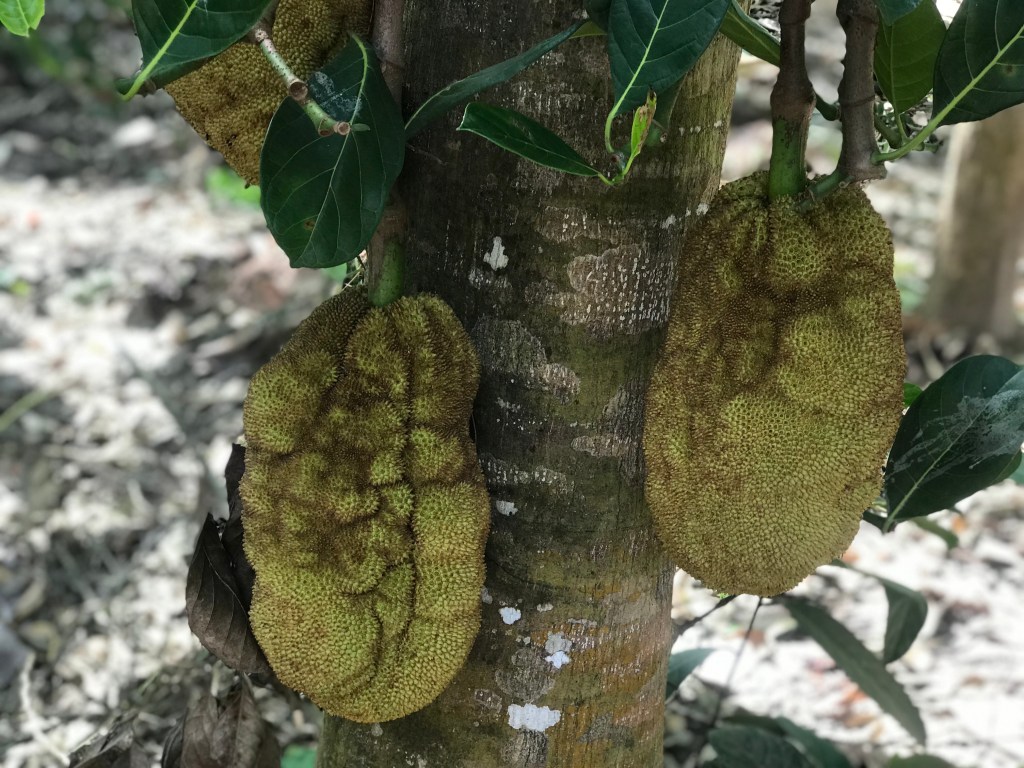
1.Jackfruit (Artocarpus heterophyllus)

Jackfruit

Immediately we saw big lumpy green fruits with hundreds of tiny, and I imagine prickly, bumps on them. The guide told us it was jackfruit, which is something I’ve never seen or even heard of before. Jack, naturally, had to do an entry for our video on Zanzibar about how he had found the fruit, named it after himself, and all that. We never got to cut the jackfruit open, but I’ve heard that it can be a very messy process and can take a long time to take out all the seeds and eat the yellow bulb-like fruit inside. I do want to try it some day though.

2.Breadfruit (Artocarpus altilis)

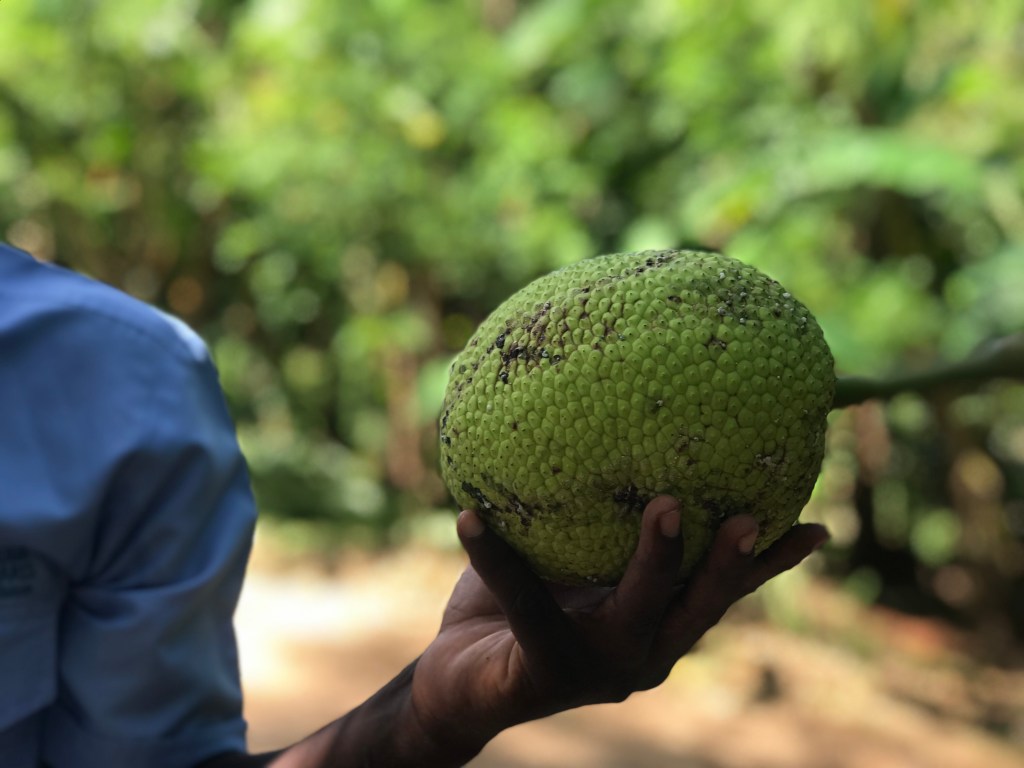
Breadfruit

Breadfruit is a very unique fruit you may never heard of before. (I hadn’t until I went to Zanzibar) When our guide, Yahya told us that its name, I didn’t actually think it was a fruit; it looked more like a vegetable. 

The first time I ever tried breadfruit was when we went to Yahya’s house for the Swahili cooking lesson, and breadfruit was part of our meal. I remember it being green in color, and having the same texture and similar taste to a potato. We actually ate the breadfruit in the same way you would eat a vegetable; by boiling it in hot water and then eating the slices warm. It took me a while to believe that breadfruit was actually a fruit, and not a vegetable. Now do you get what I mean about it being like a potato? I mean, besides the taste.

When we arrived in Zanzibar and we were driving to our hotel from Zanzibar airport, Yahya told us to look out for mango trees, and I incorrectly identified a breadfruit tree as one, thinking that the mangos weren’t ripe yet and that’s why they were green.

Later on at the spice/fruit farm, we did cut open breadfruit, but we didn’t eat it. I noticed that the outside of the breadfruit (and this was the first time I had seen breadfruit skin) looked similar to the skin of Jackfruit; because it had bumps covering the outer layer and was also green. Except, the jackfruit we saw was bigger in size and more lumpy than the breadfruit. 

3.Passion Fruit (Passiflora edulis)

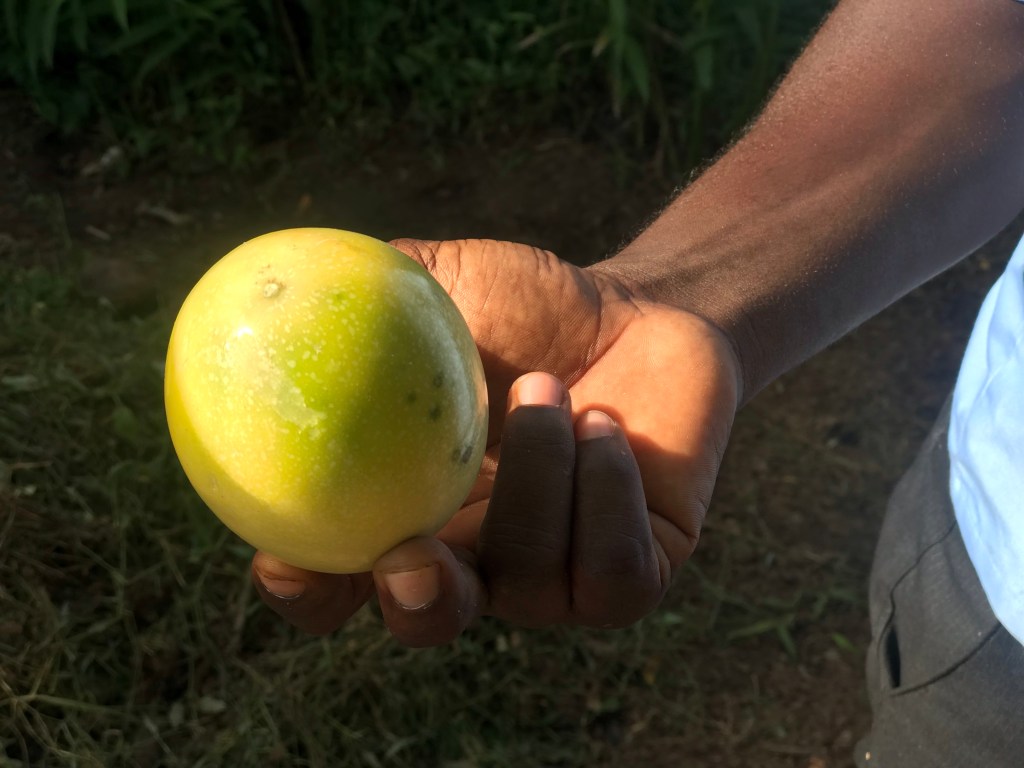
Passion Fruit
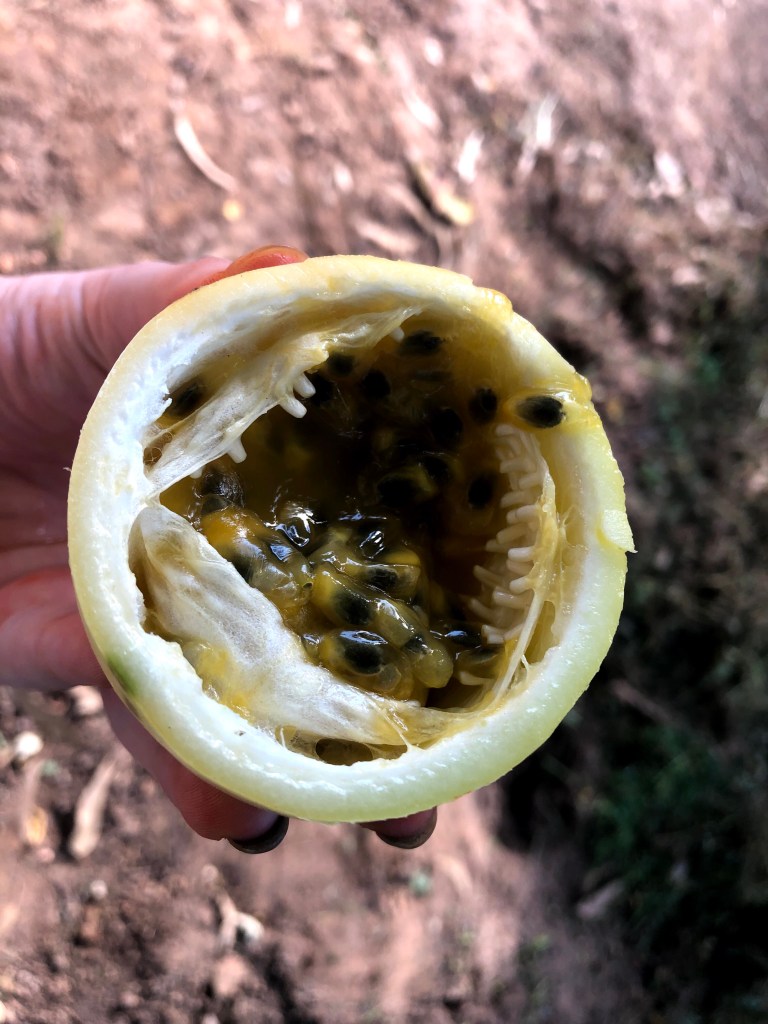
Passion Fruit

I’ve heard of passion fruit before, I’d just never tried it or even seen what it looked like until that day at the spice farm. So I literally had no picture in my mind of what to expect. All I knew was that I had passion fruit juice before a couple of days prior, and that it tasted tart, but kind of sweet too. So I was definitely in for a surprise, because when the yellow skinned fruit was cut open, what I didn’t expect to see was globs of a gooey consistency, and tons of seeds wedged in between. I did try the passion fruit, but I would say it wasn’t my favorite. I prefer passion fruit juice, because its easy to drink, and not slimy.

4. Raw Mango (Mangifera indica)

When we went to the spice farm I got to try raw mango for the first time, or, in other words, unripe mango. By the way, its not as bad as it sounds. Unripe mango is basically just a mango that’s green instead of the vibrant yellowish orange color it is when its ripe. It looks like a green apple, just one that’s extremely tart. My dad said he remembered eating unripe mangos when when he lived in Africa when he was five, and it was the first time he had them since then. My dad likes really tart and sour fruits like limes and lemons, (and I guess unripe mango, apparently) but I prefer the sweet version of mango over the sour one.

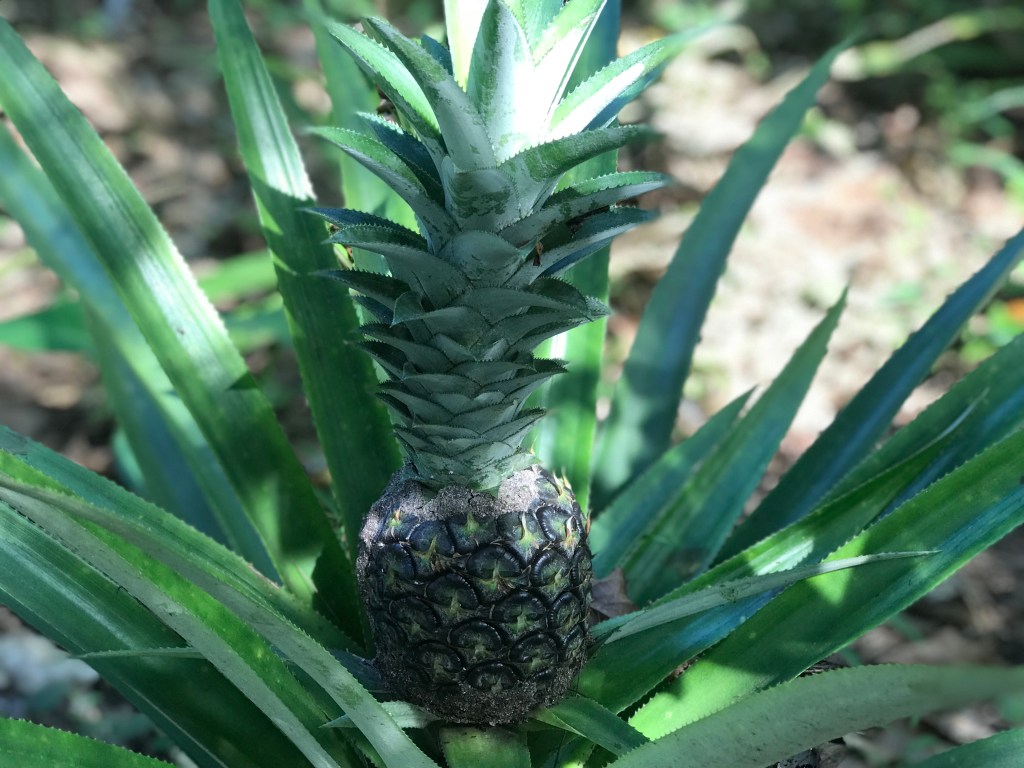
5.Pineapple Plant (Ananas comosus)

I never knew exactly where pineapples grew, but I never thought that they grew as a shrub on the ground! 

Pineapple Plant

6.Bananas (Musa)

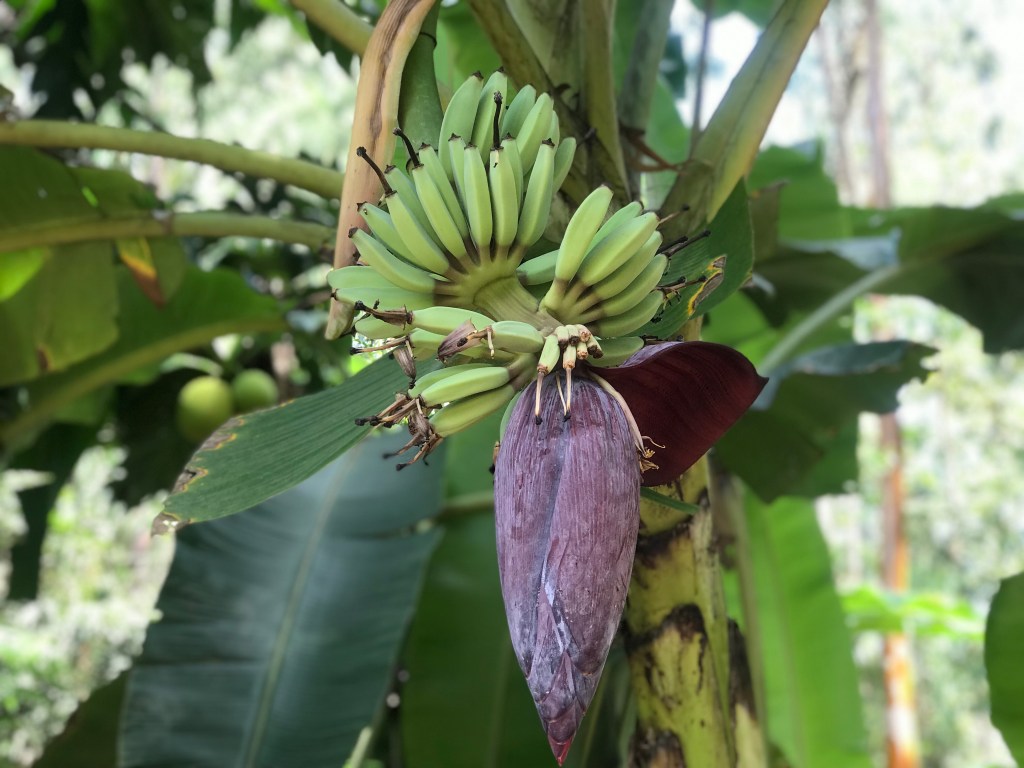
Bananas

The cool thing about bananas in Zanzibar is that they grow out of a giant seed that kind of looks like a big purple light bulb. When the bananas aren’t fully grown, they look sort of like water balloons before being blown up. 

7.Lemons (Citrus Limon) and Limes (Citrus aurantiifolia)

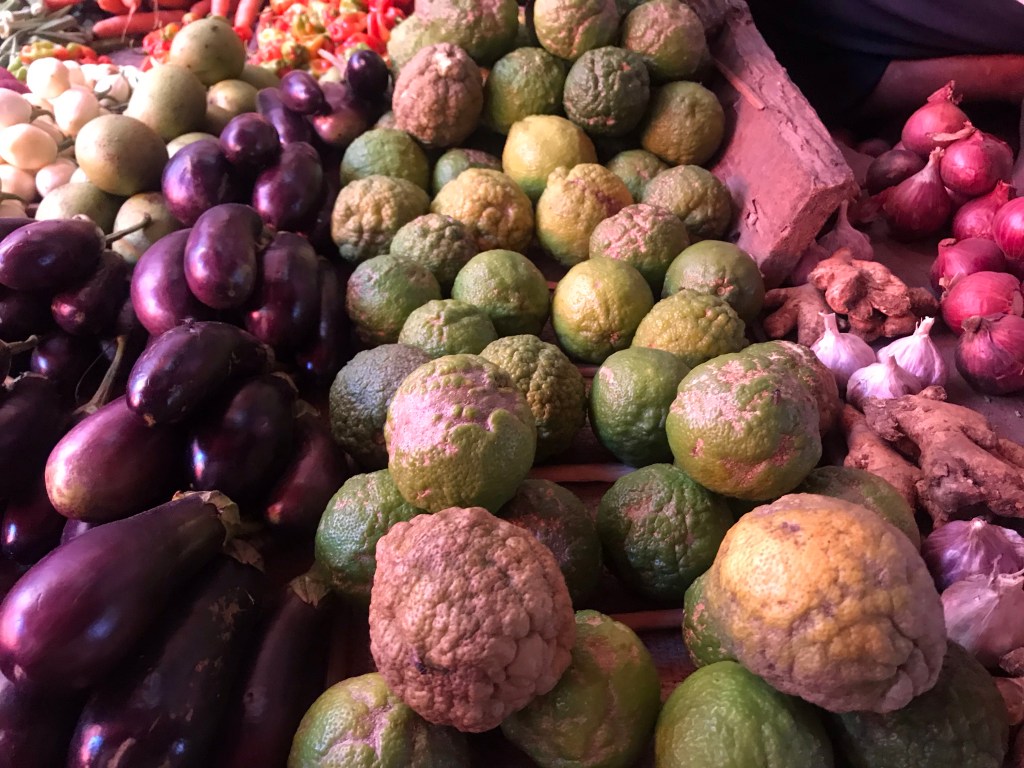
Limes

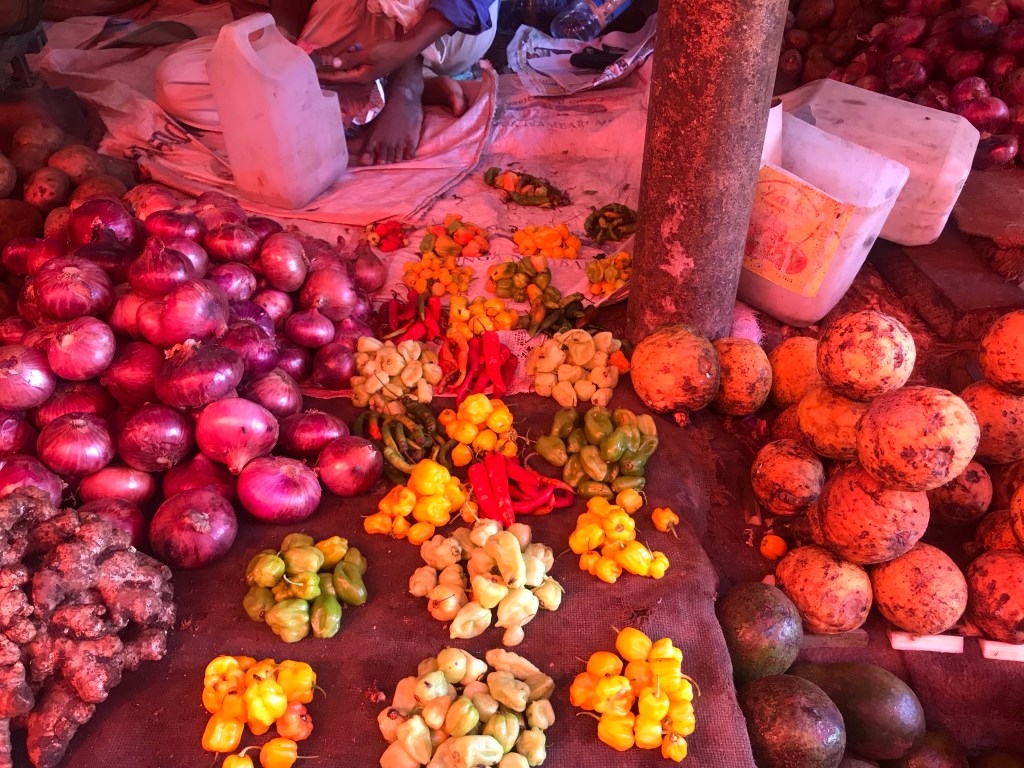
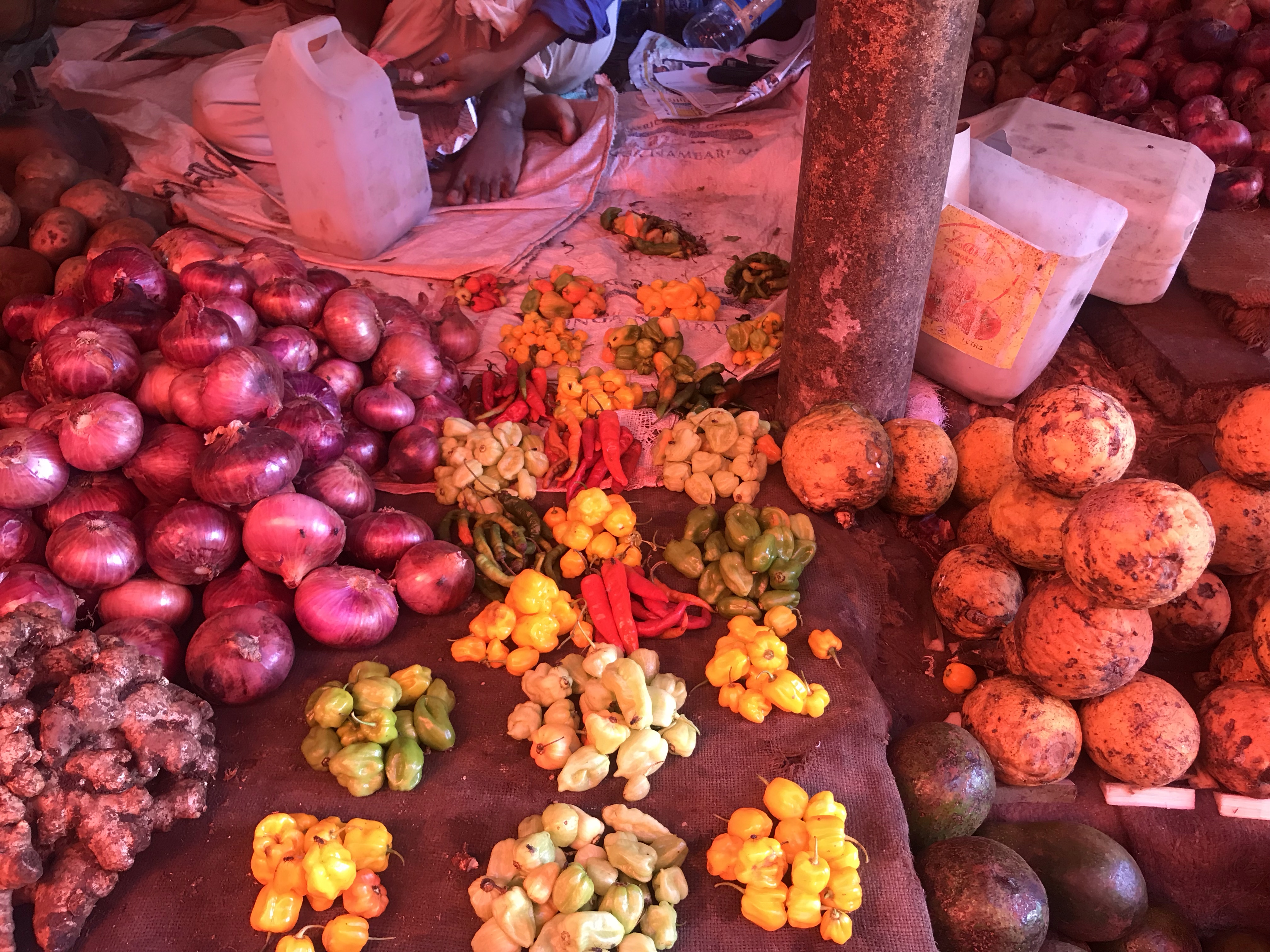
Now although we didn’t see any lemons or limes at the farm, we did see them when we went to the market in Stone town on our last day in Zanzibar (check out my blog post on Zanzibar!) We also saw a lot of fruit selling vendors there, and there were some limes and lemons I saw that I’m not accustomed to buying. They were pretty lumpy as seen down below, but I guess those are what the locals buy to sour up their dishes and drinks.

8.Durian (Durio)

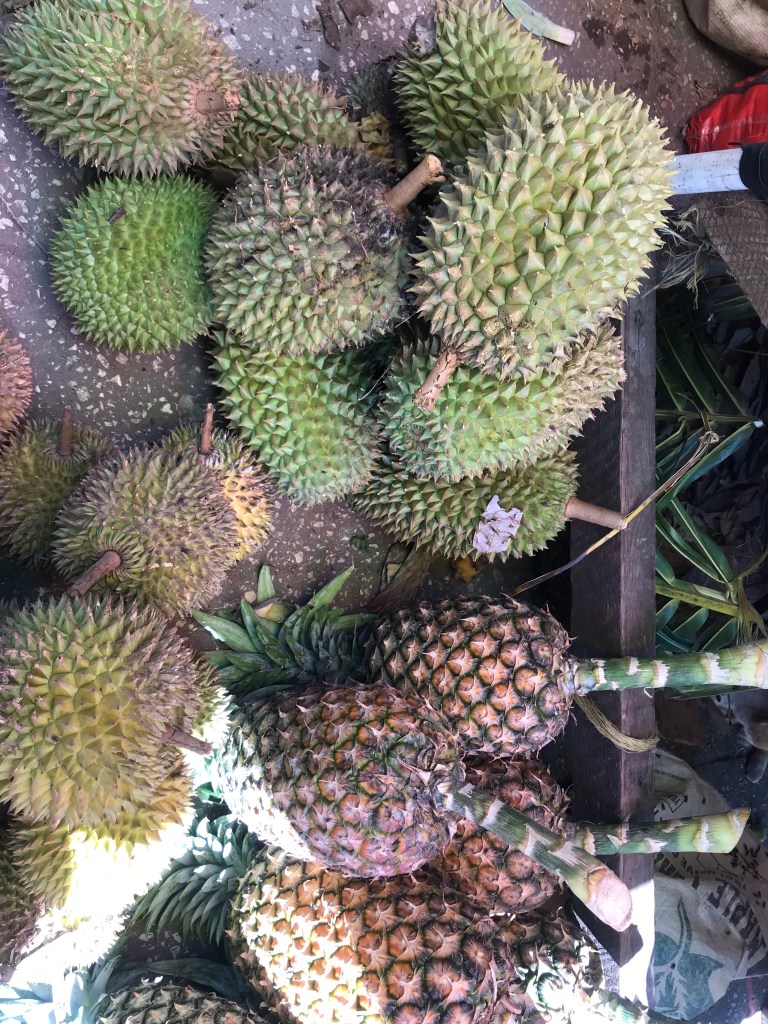
At the market we also got a chance to see Durian, a fruit that has very prickly looking spikes. Here’s what it looks like!

Durian

9.Oranges (Citrus sinensis) and Grapefruit (Citrus paradisi)

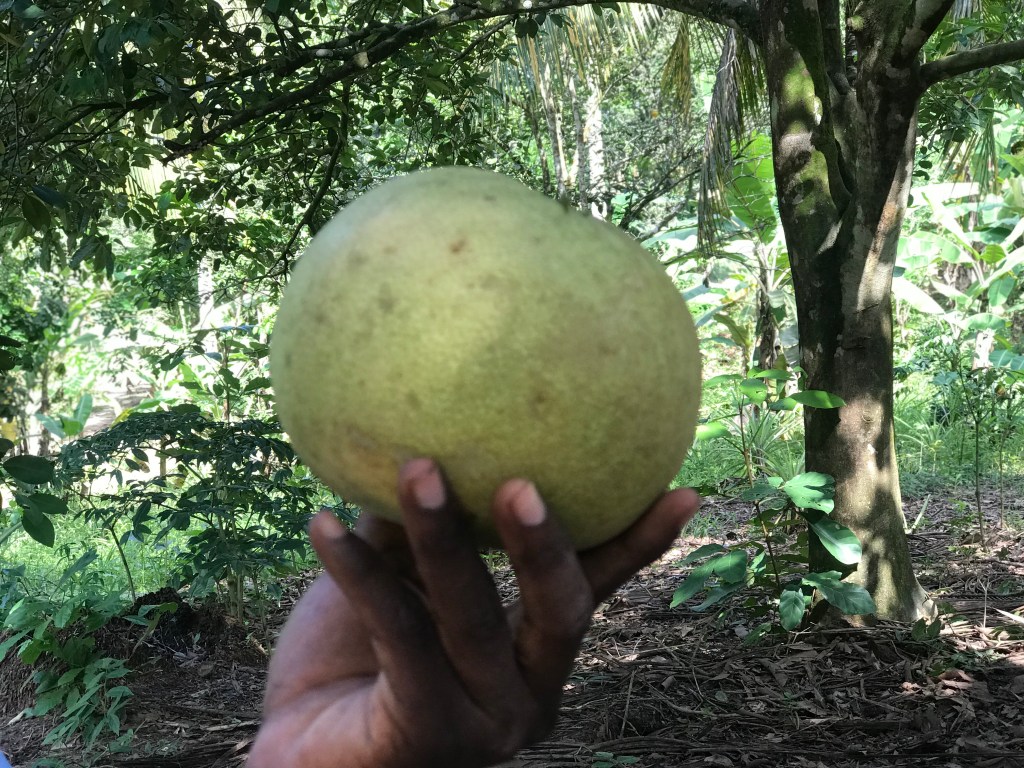
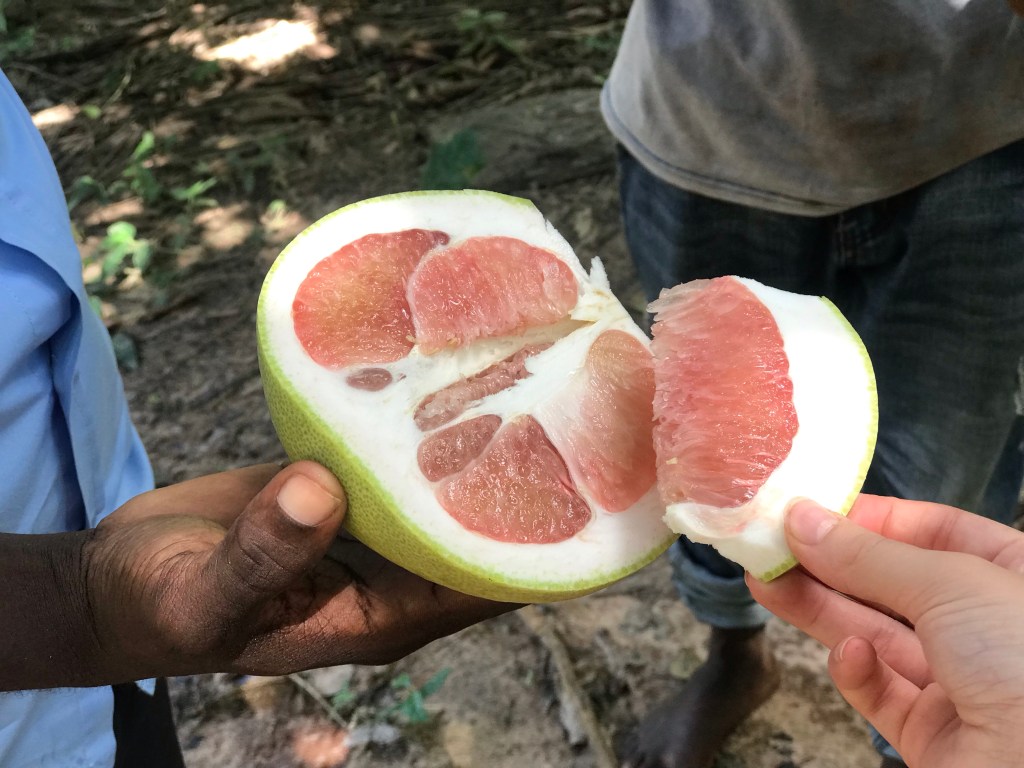
Now these may sound like normal fruits to you, but in Zanzibar the oranges and grapefruits are very different than the U.S.  For one, the skin color of the grapefruit we tried was green and it looked bigger than I expected-bigger at least than I’ve seen at grocery stores in Seattle. Although, the inside revealed the beautiful pink fruit that I’m used to. However, when we tried a slice of the grapefruit, the inside tasted pretty dry, probably from hanging on the tree for so long.

Grapefruit
Grapefruit Opened

We also saw some unique oranges too; the orange’s skin was also green like the grapefruit was.

10.Starfruit (Averrhoa carambola)

We got to taste two different kinds of starfruit. One was an orange color, and it was very soft and spongy. It was really good, and I’ve never had that type of starfruit before.

The other kind of starfruit we tried was hard, green, and sour; more like the kind I’ve eaten before (even though I’ve only had starfruit once or twice in my life). I’m guessing that the first kind we tried was ripe starfruit, and the second kind was just unripe starfruit. I like the taste of them both though, and I’m hoping I get to eat more of it on this trip, maybe in Asia.

11.Coconut (Cocos nucifera)

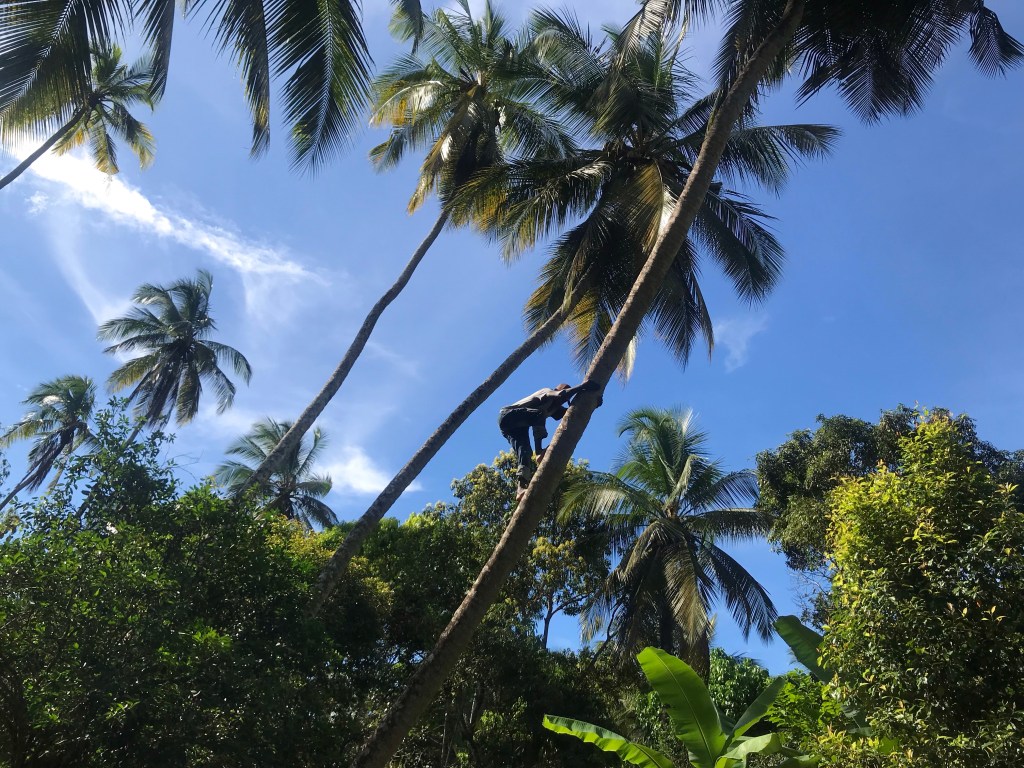
As you may know, coconuts grow on palm trees. Which means someone has to climb up a ladder to get to the coconuts. Or, in this case, they could just climb the tree itself!

At the end of the spice tour, our guide let us watch as he climbed up the long truck of a palm tree (yep, you heard me right!) to retrieve a coconut for us to eat. It was really cool to see someone do that, and it was a new sight for me.

Climbing for coconuts

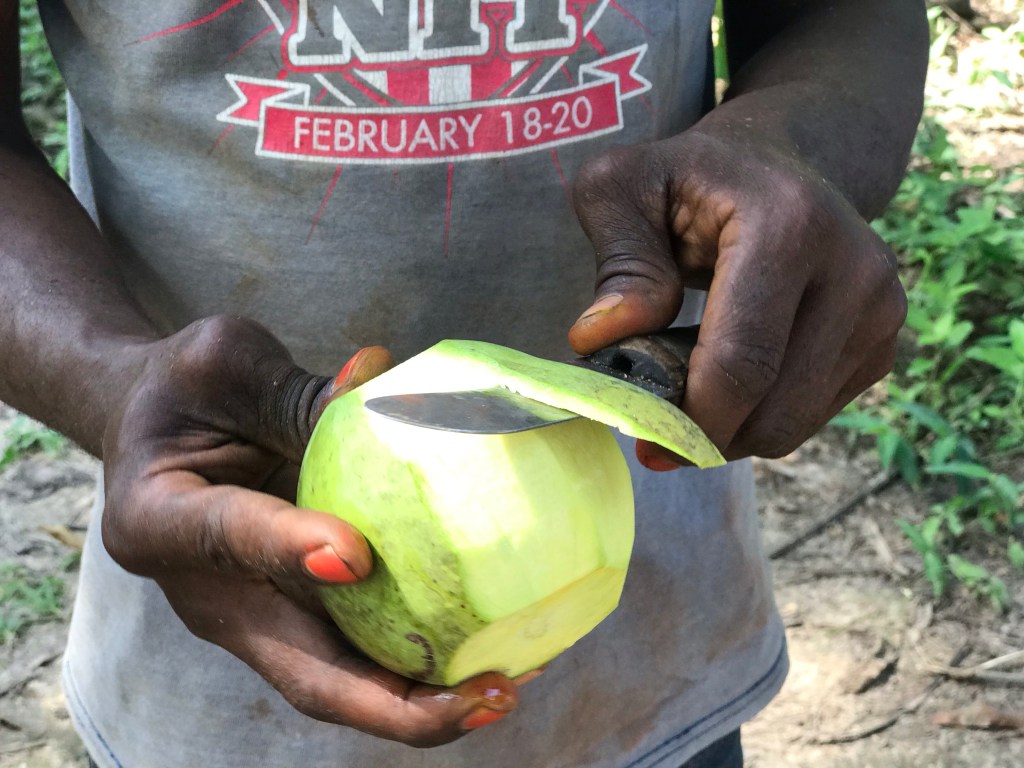
Our guide cut the coconut into slices which a sharp knife, and gave each of us a fresh piece. The last time I had fresh coconut like this was in Mexico where they served it with lime and sugar. 

I didn’t finish all of the coconut slice and I threw it on the ground where the chickens that were roaming around the farm went crazy squabbling over it. My parents also drank the coconut water but I didn’t because the taste isn’t my favorite.

LIPSTICK PLANT

Lipstick Plant

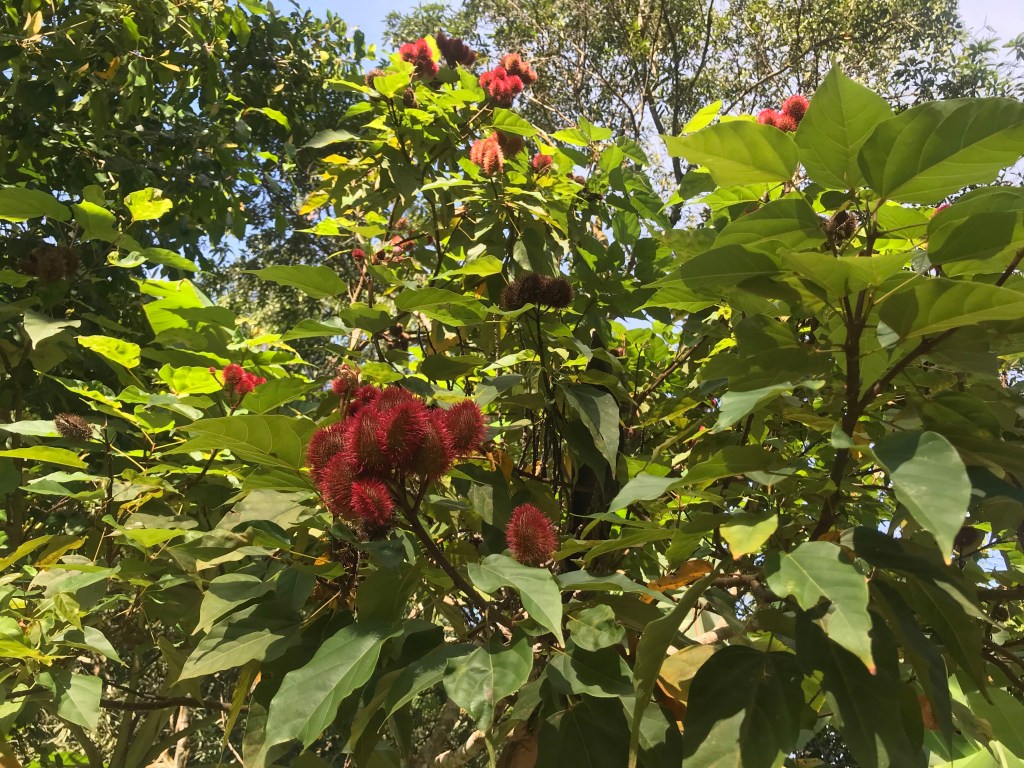
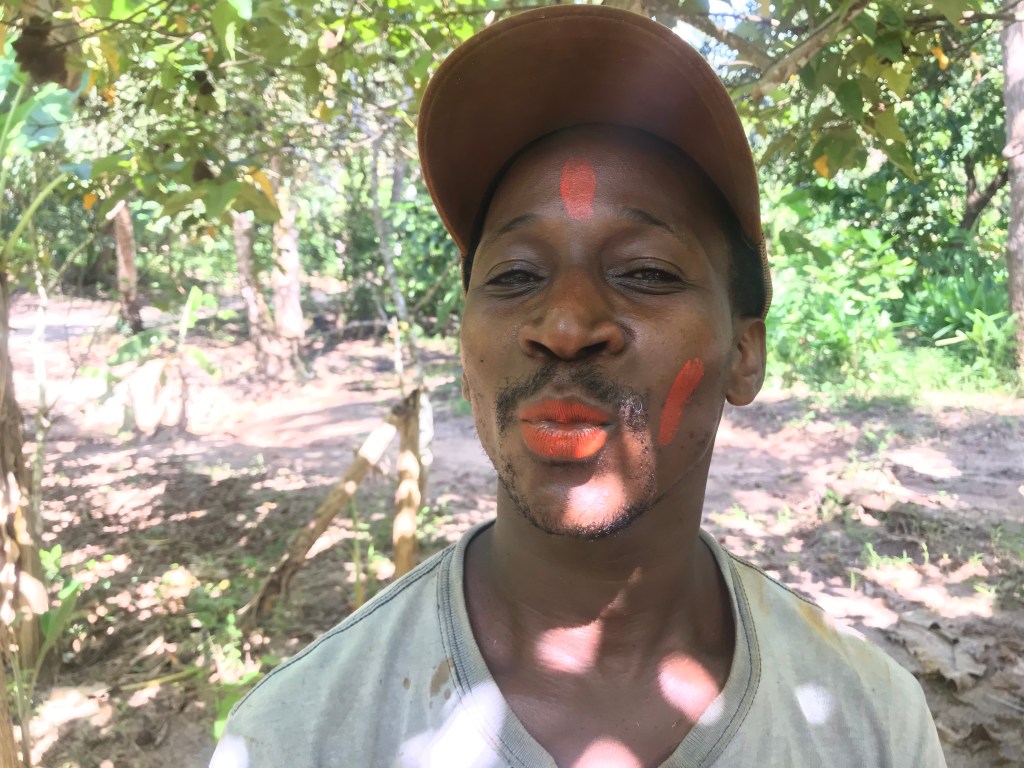
At the spice farm we got to see many different plants that I’ve never seen before in person, and the lipstick plant, or so its called, was one of them. As you can tell by the name of this plant, its got something to do with lipstick. So I’ll just tell you right now that yes, this plant was in fact used as lipstick at one point. That’s also of course, why they named it the lipstick plant. But lipstick wasn’t the only thing this plant was used for. When crushed, the berry looking pods inside let out liquid that could also be used to naturally dye curries with.

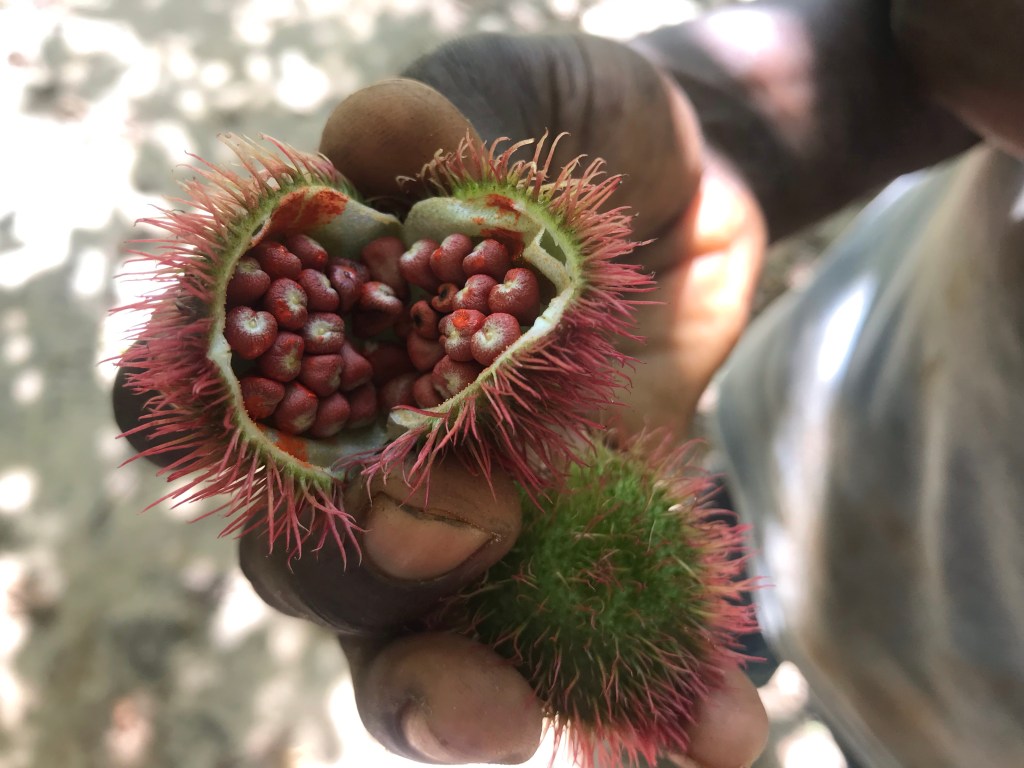
Inside the lipstick plant

The lipstick plant grows on a tree but I think it looks more like fruit than a plant. The actual lipstick plant itself has green based skin with what looks like bright red fur covering it like a coat. When you cut the plant in halve, the inside reveals   red, berry like inky pods with seeds inside of them. If you squish the pods, a red substance squirts out. Its actually not as liquidy as I thought it would be, but its very messy to crush it with your bare fingers. And it actually works really well. But because it stays on so good and its a natural lipstick, you definitely don’t want to get it on your clothes, because it stains well too.

Thank you for reading my blog post about the spice farm we went to in Zanzibar. My next post is going to be about the safari we did in Tanzania, including lots of photos of the animals we saw. And don’t forget to check out our latest video on our first stop in Africa. Until next time!

The lipstick lasted for hours

Zanzibar

ZANZIBAR

Zanzibar was one of my favorite places we’ve been so far on this trip so it was hard to decide what to write about. We spent nine days in Zanzibar and we went to three different places. Zanzibar is an island off the east coast of Africa in the country of Tanzania. The first place we went to was Kiwengwa, then we moved on to Kendwa where we had lots of time on the beach, and finally our last stop was Stone Town where we saw what life was like for the people who live there. We spent a lot of time doing school work and catching up on video editing, but of course we managed to have some really fun experiences that I’m going to be telling you about. I’m also going to be writing about the spice and fruit tour we did one day because Zanzibar has so many exotic fruits I’ve never heard of, and is home to many spices we use in our daily life. So today’s blog post is basically going to be a “what we did in Zanzibar” post -minus the spice tour because that will be a different blog post.

SWAHILI COOKING CLASS

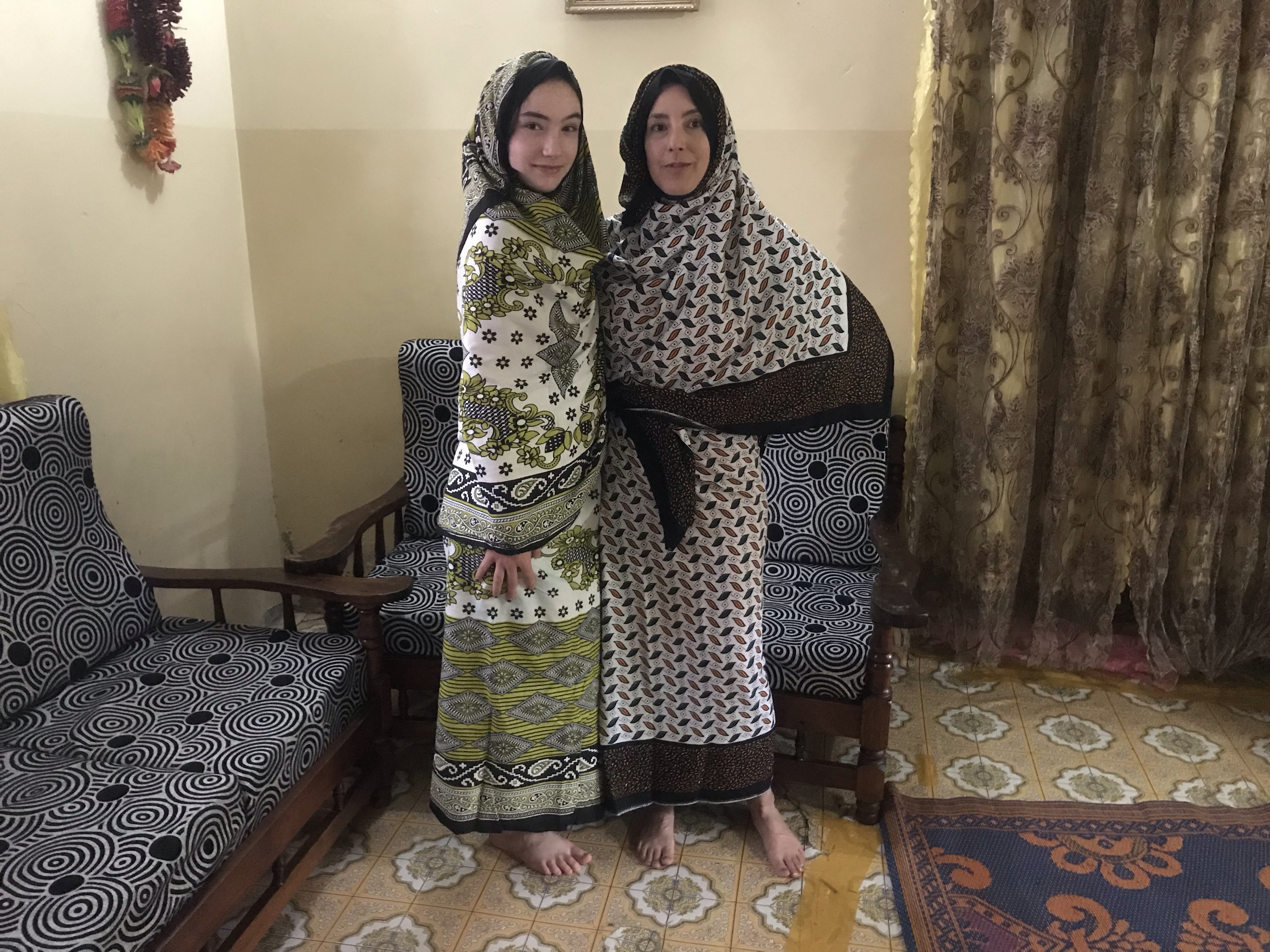
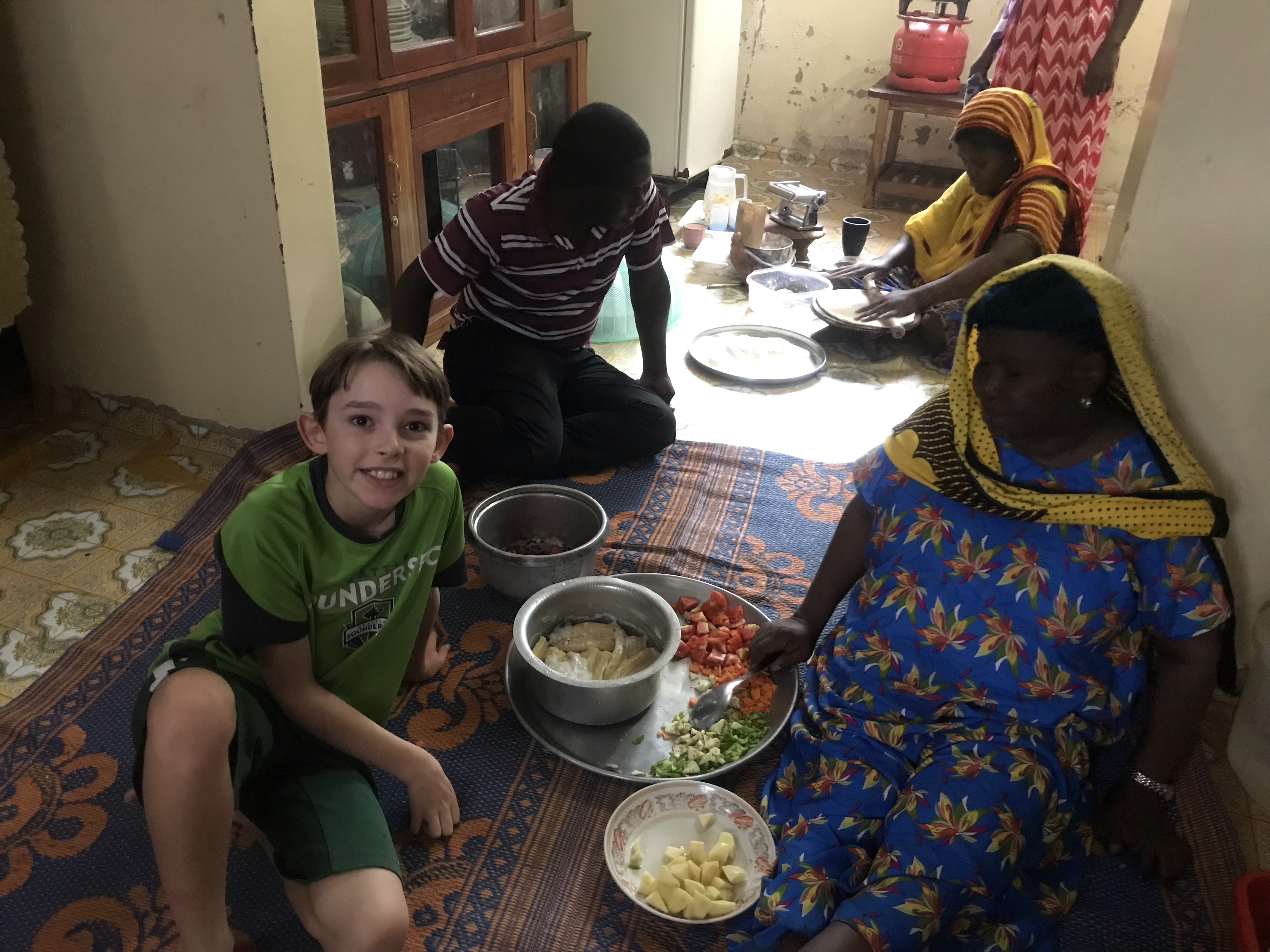
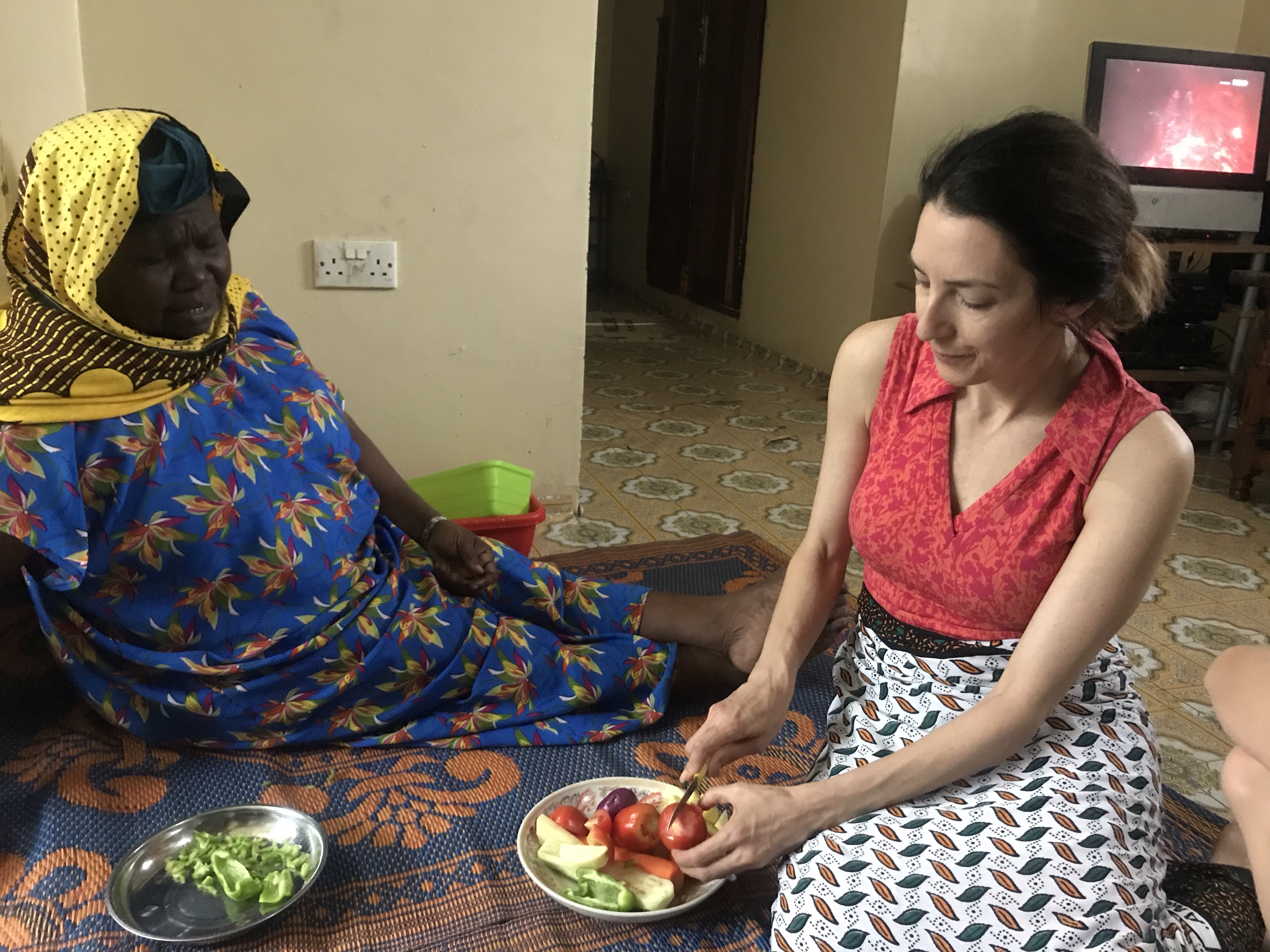
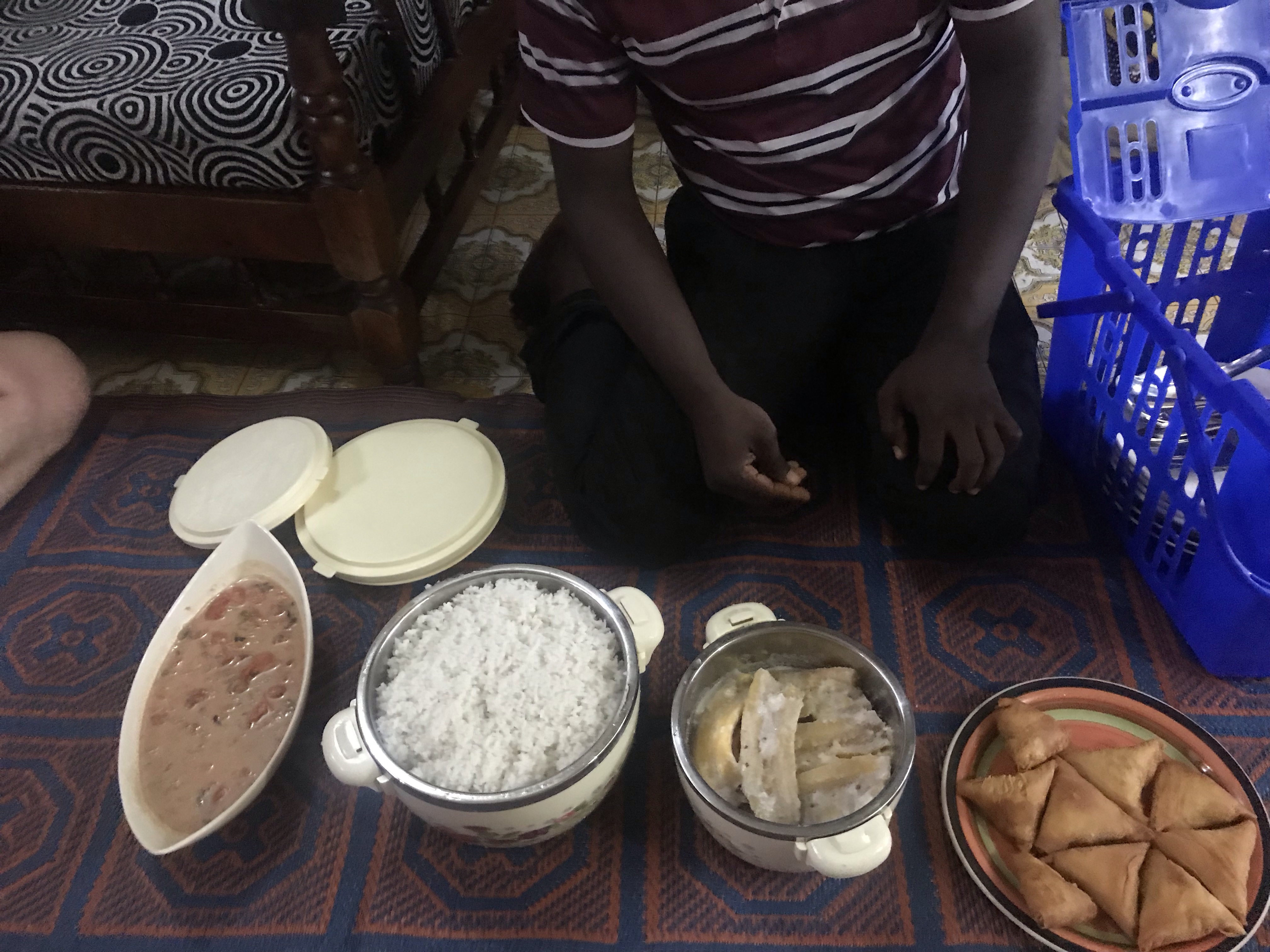
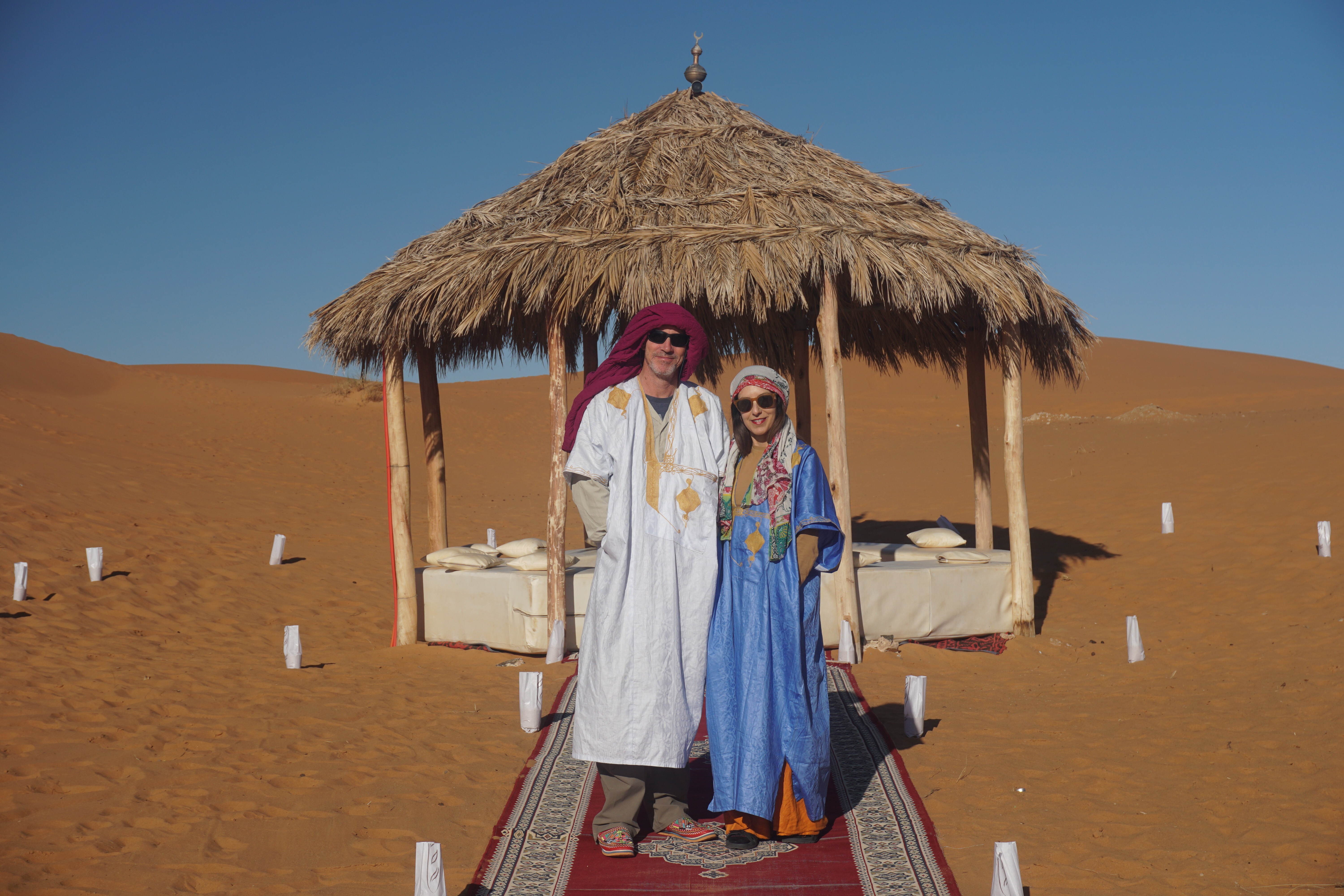
The first thing we did in Zanzibar was a Swahili cooking lesson at our tour guide Yahya’s house. Yahya’s family welcomed us into their household and showed us their culture through food. My mom and I posed for some photos in the traditional Swahili clothing before we got to work cooking. Yayhya’s mom and sister demonstrated how to chop numerous vegetables for the dishes we made because, like many places around the world, the women do the cooking at home in the Islamic culture. To cook, we sat on mats spread across the floor. To cut the vegetables, we used a paring knife but instead of using a cutting board which is how I usually do it at home, we cut everything without using a surface.

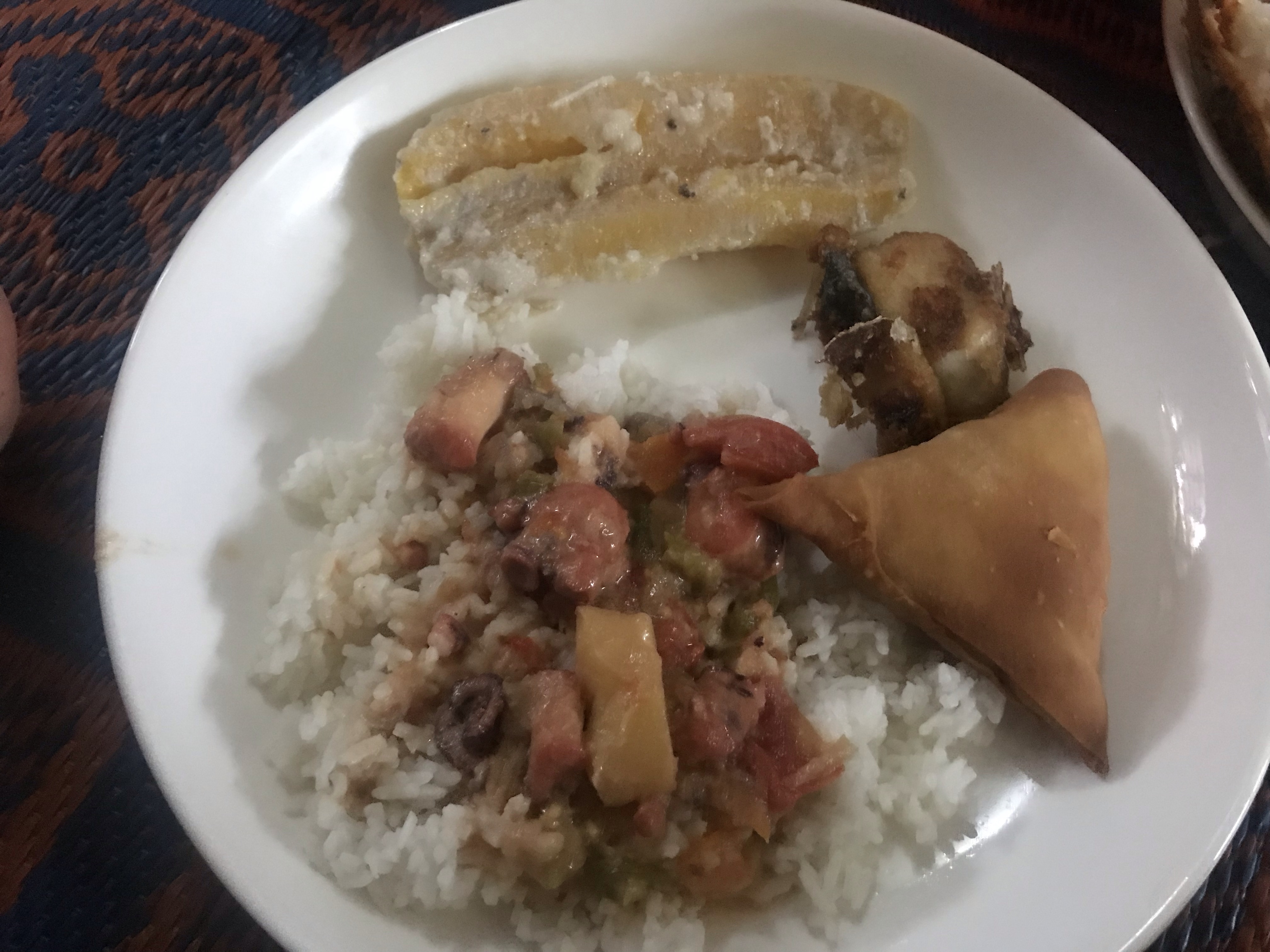
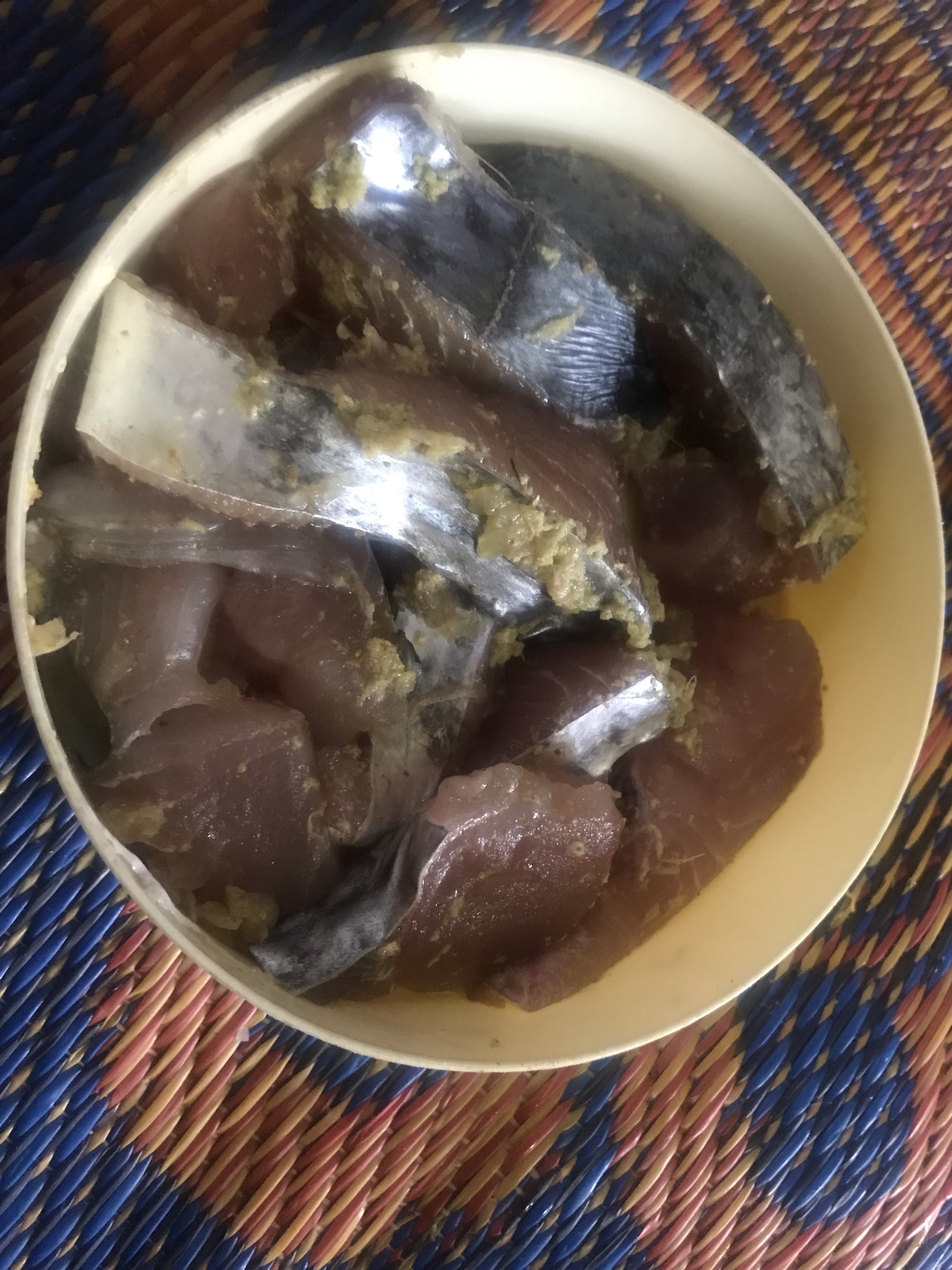
DISH #1: Vegetable and octopus curry with coconut milk and turmeric

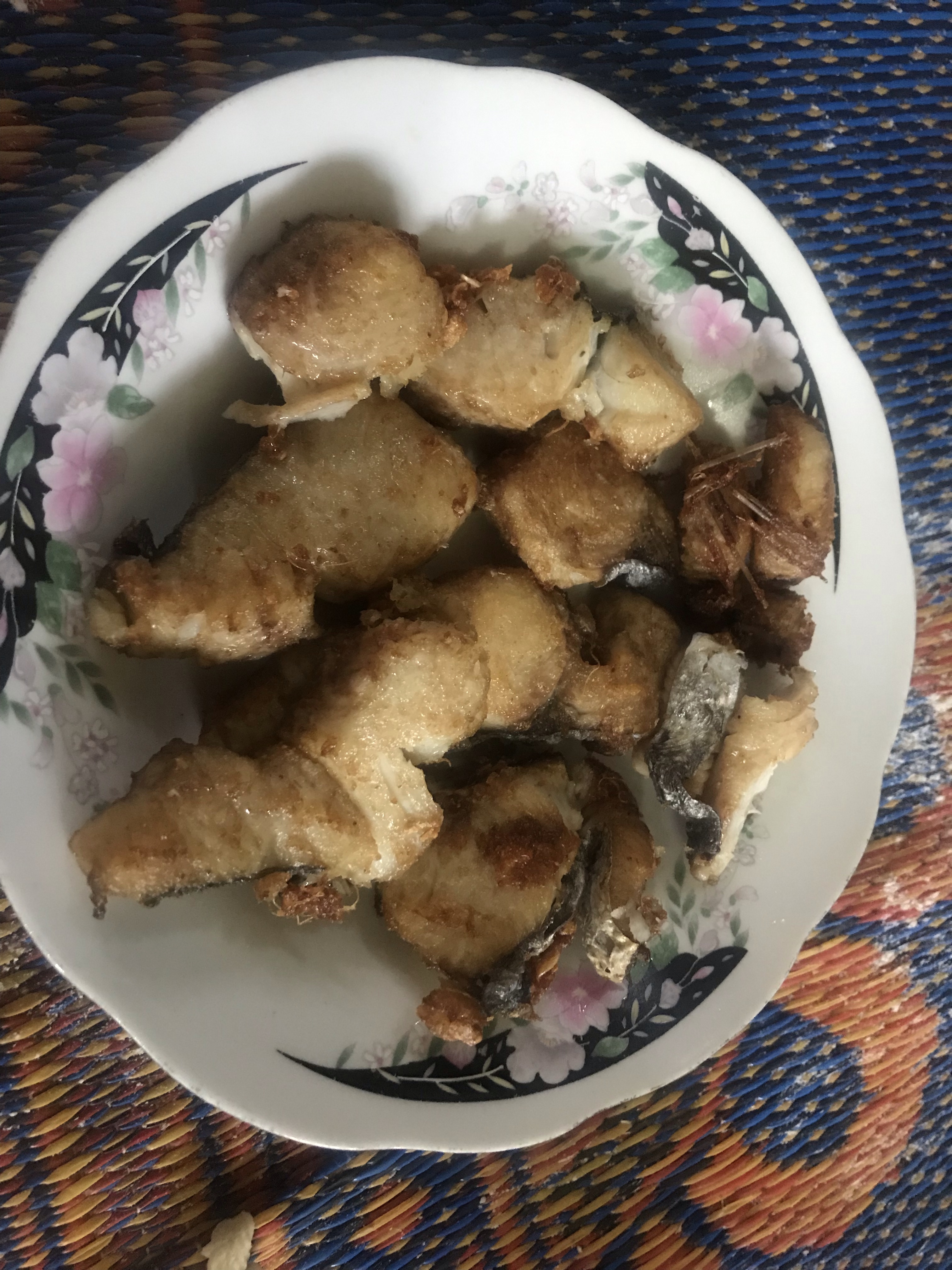
DISH #2: King Fish with cumin, garlic and ginger

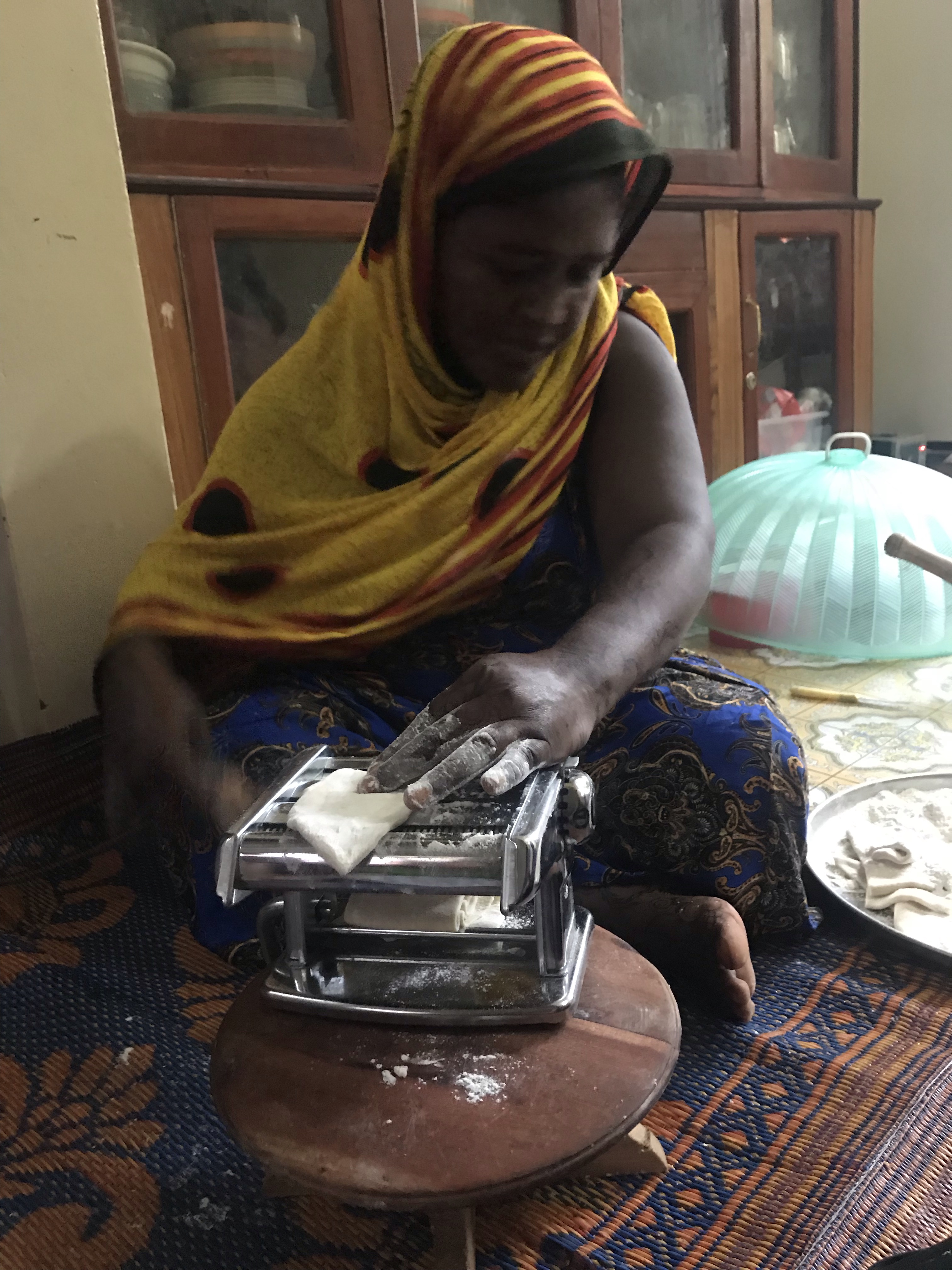
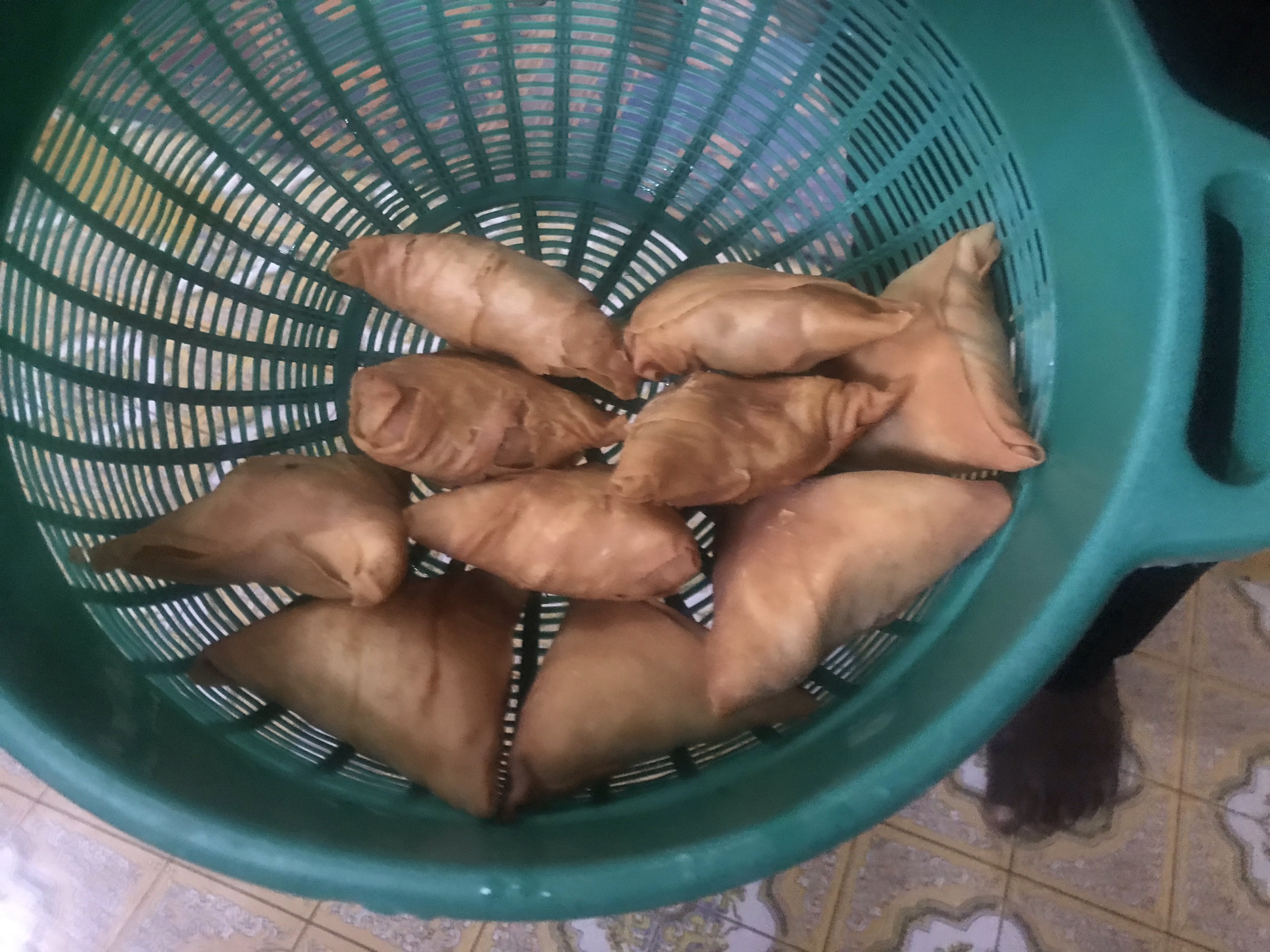
DISH #3: Vegetable Samosas

DISH #4: Boiled Bananas with coconut milk and cardamon

SWIMMING WITH DOLPHINS

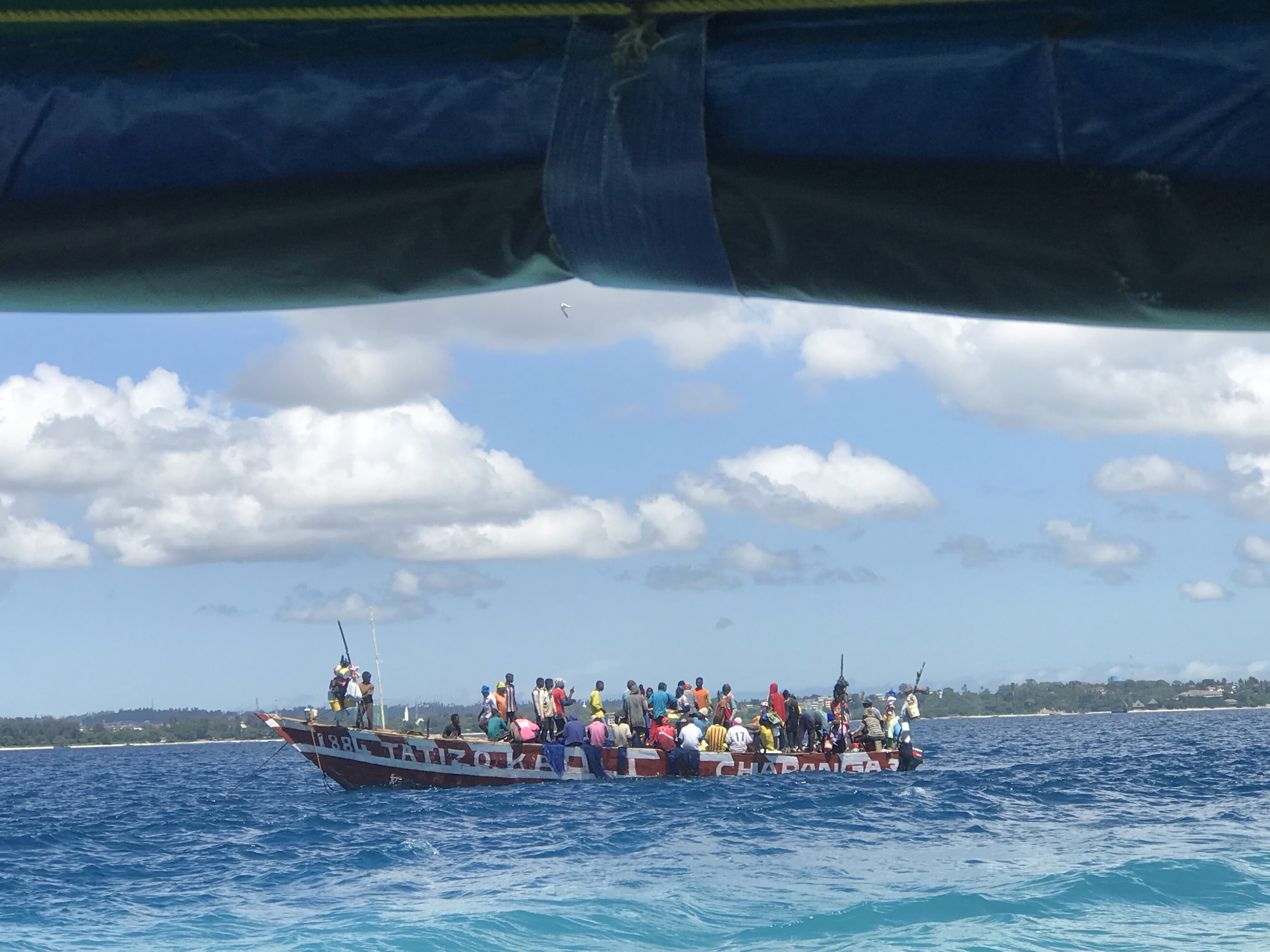
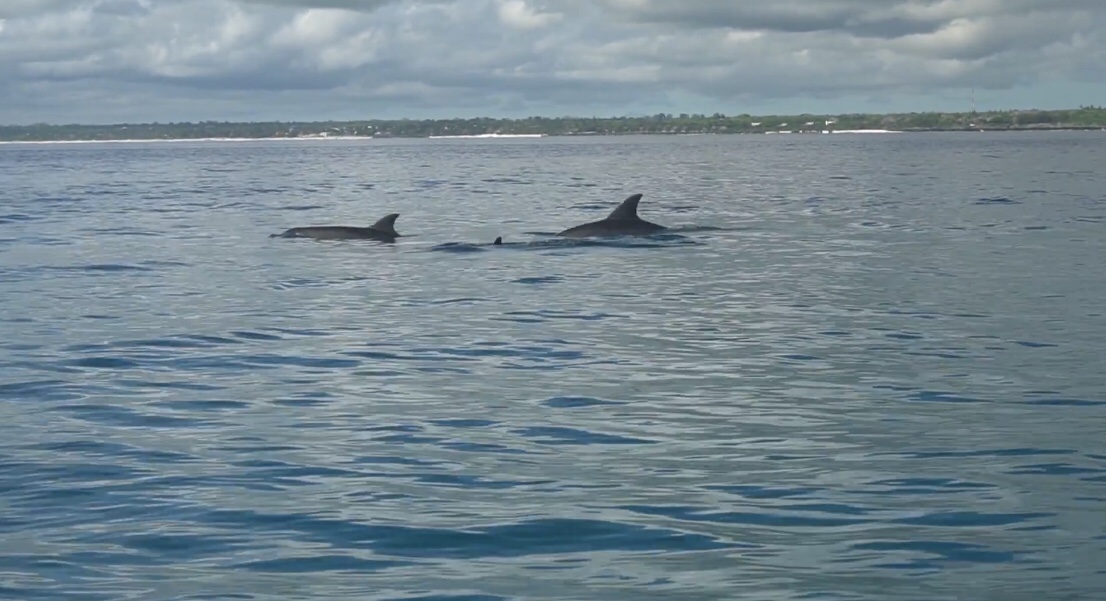
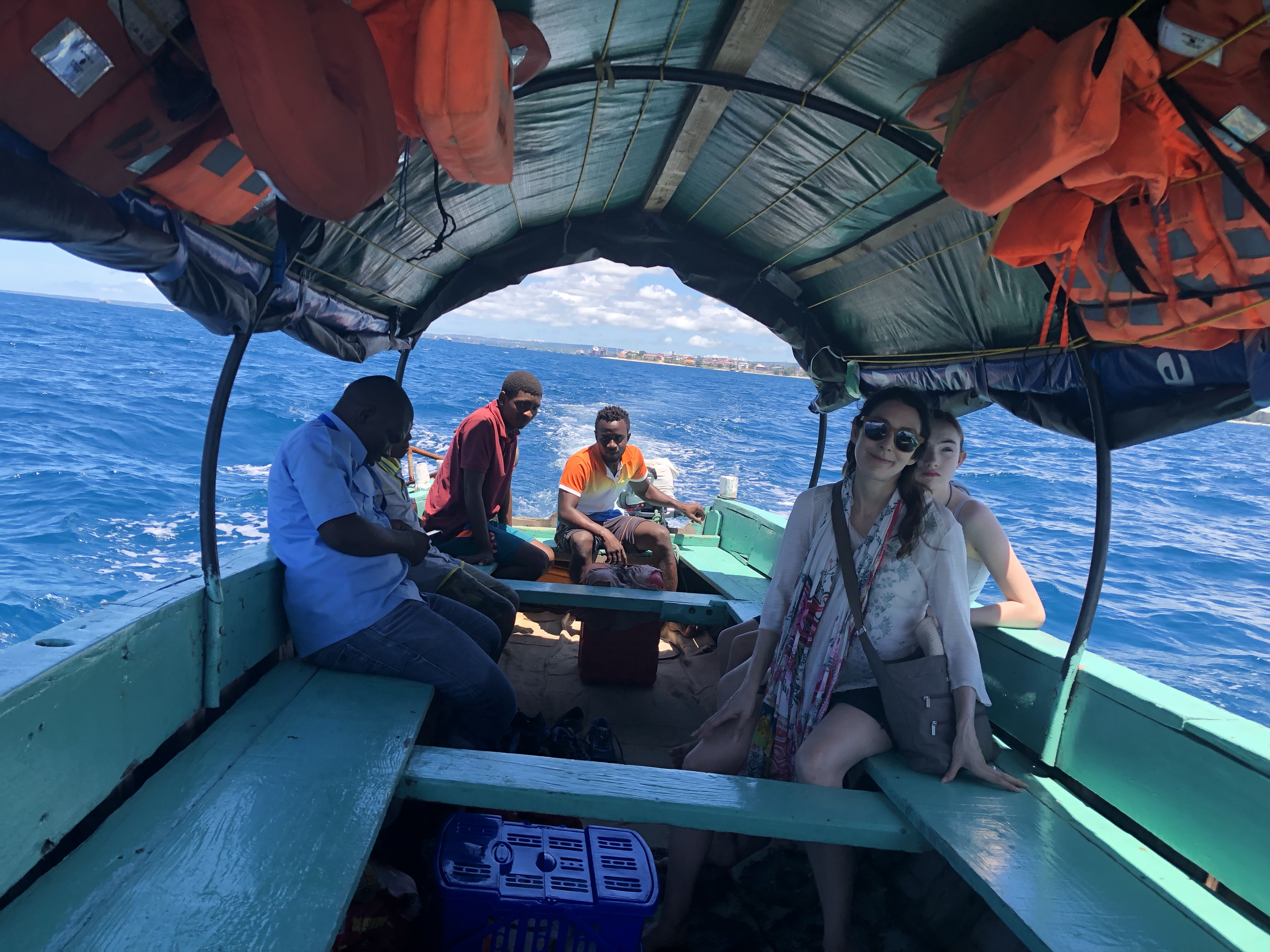
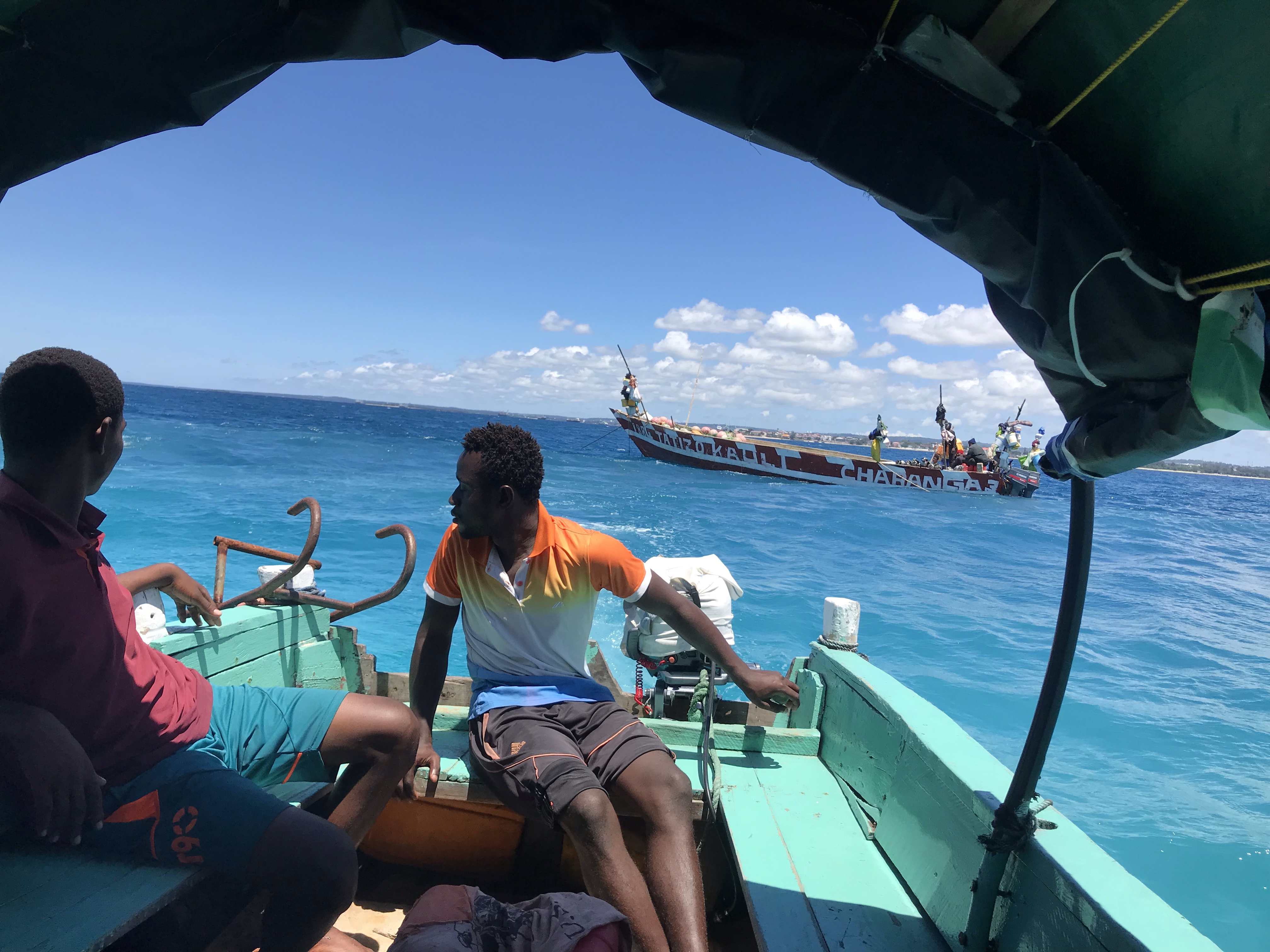
One of my favorite things we did in Zanzibar (okay, scratch that-I loved everything we did in Zanzibar!) was snorkeling and getting to swim with dolphins. Our tour guide recommended that we wake up at 5:00am to see them because dolphins are up early in the morning, but mainly the reason was that we would be able to see them before all the other tour boats got there. We had to drive for about an hour to the beach, and then we got into a boat with our snorkeling gear to head off and find dolphins. We were one of the only tour boats out on the water, but there were a lot of fishing boats packed with people. I noticed that there were a lot of plastic bottles tied together and floating on the surface to mark that there was some sort of trap below. There were some divers who had swam a far way out in the ocean looking for fish.

We had been looking for a while for a dolphin sighting and Yahya said that it usually only took 20 minutes to spot them, but so far we had seen nothing. After boating around for 2 HOURS, we finally spotted a pod of dolphins. However, there was already a tour boat there with a bunch of people who were already out in the water with them. I was a little surprised that we’d finally found dolphins after using all of our extra time trying to find them. So we followed the tour boat that had found them, and we were the first out of a boatload of tour boats to do that. When we spotted dolphins for the second time, my dad stopped video taping with his camera and we quickly jumped into the water. Sadly, we lost the doors on our GoPro so we weren’t able to video tape the dolphins under water. We definitely saw them about three times below us, but they swam so fast to try to get away from all the chaos and people jumping into the water to try to swim with them. That was the part that I don’t feel very good about. Even though dolphins are very friendly and like being around humans, being totally surrounded by people is very overwhelming and probably pretty scary for them. Think of it like this: How would you feel if you were just walking on the street and a bunch of random people tried to corner you for no reason? You would probably feel pretty freaked out. That’s exactly what it’s like for dolphins. I know I said that I was really excited to see dolphins and I do want to do it again, but all I’m saying is that we should be careful with our actions around other animal habitats. Maybe a couple of people at a time would be better because the dolphins might feel more free and open to be around us, and not like they are trapped in the place that they live.

What I learned from this experience was that to try to swim with dolphins sometimes means surrounding them with boats, and that was something I didn’t know or even think of before I did this. I also learned that when swimming with dolphins, you have to be quick, meaning you have to have your gear on and be ready to jump into the water at any given time. And you should definitely make sure your GoPro works before you do it.

SNORKELING

The same day that we swam with dolphins we also went snorkeling, and believe it or not, I’ve never been snorkeling before. One time I was going to go snorkeling in Mexico about five years ago, but when the time came to jump in the water, I bailed because I didn’t want to use the snorkeling mask to breath underwater. This time I did go though because I obviously wasn’t going to miss out on anything. I also got to wear this type of snorkeling mask that goes over your whole face and you can breath through your mouth and nose through the mask, so I totally scored on that and I think its way better than the normal snorkeling gear.

We went to two different places to snorkel, and both were very cool. The first place we went snorkeling had a lot of sea plants and sea urchins on the sea floor and lots of fish swimming near the bottom. The second place we went had less sea plants, but a lot more fish that swam pretty close to the surface. It was so shallow that you could swim down 10 feet and touch the sandy ocean floor. The water in Zanzibar is also crystal clear which makes it really easy to see sea life under water. Snorkeling in Zanzibar was really fun and I definitely want to do it again at other places on this trip.

SWIMMING IN THE INDIAN OCEAN

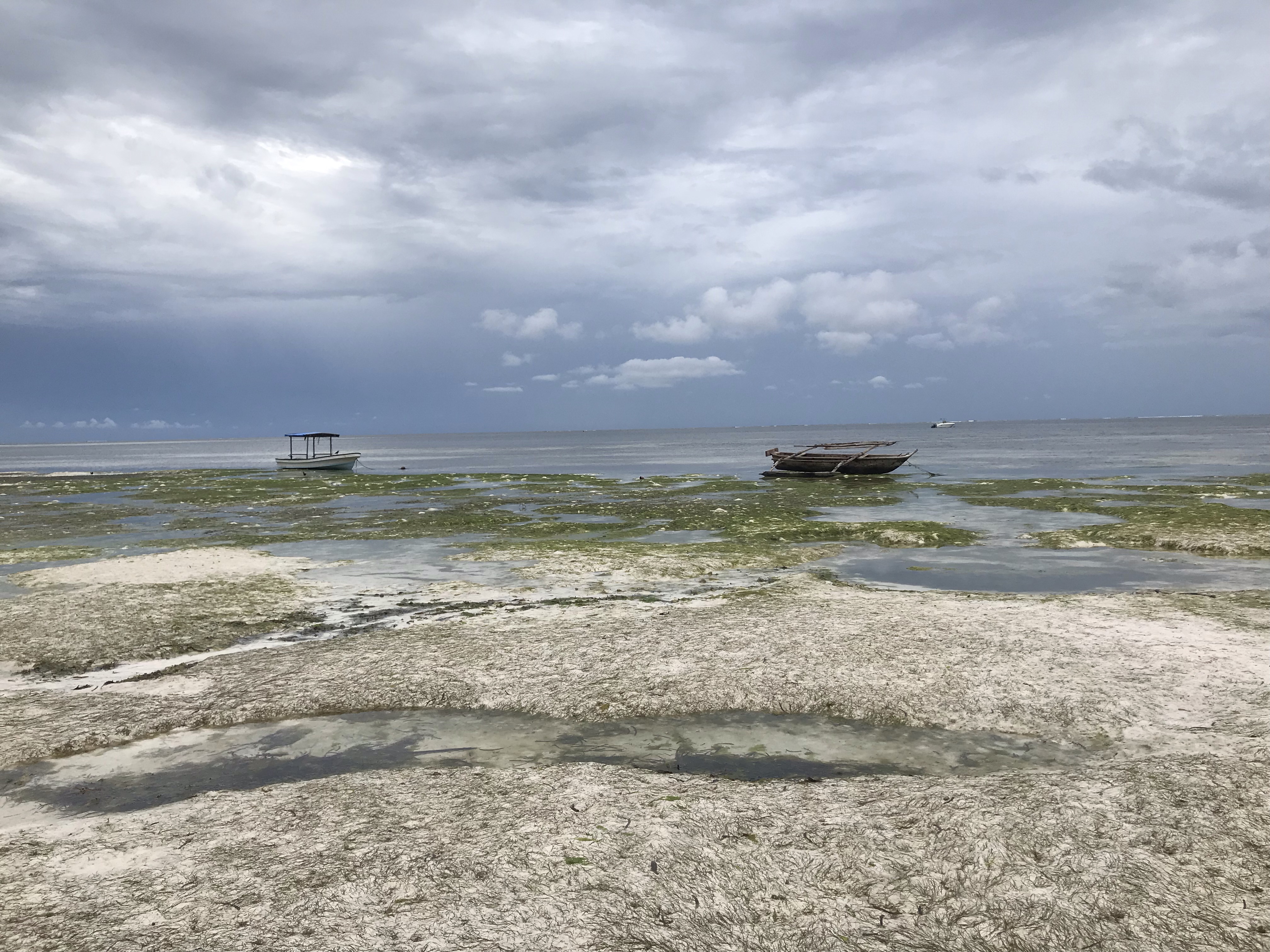
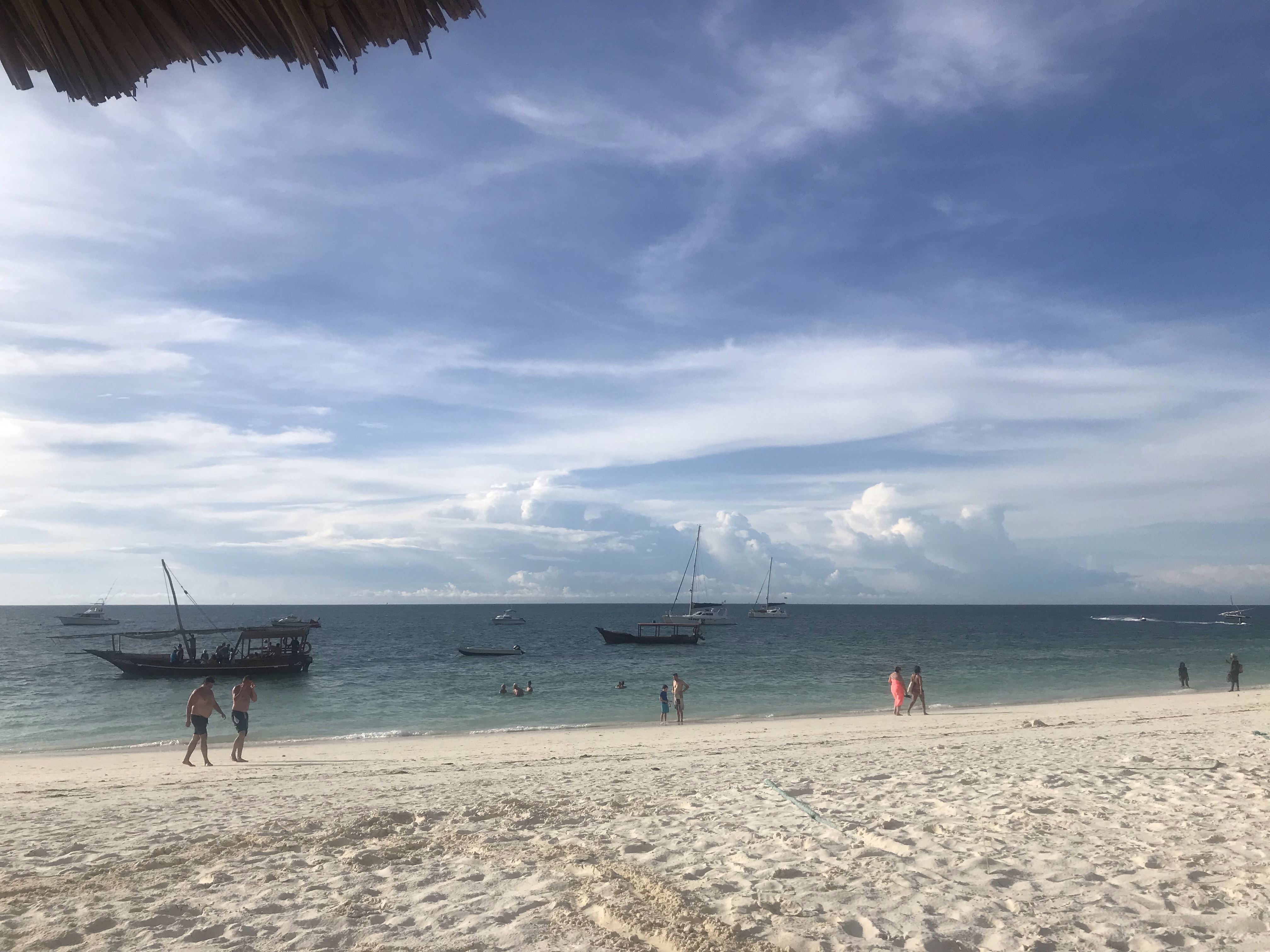
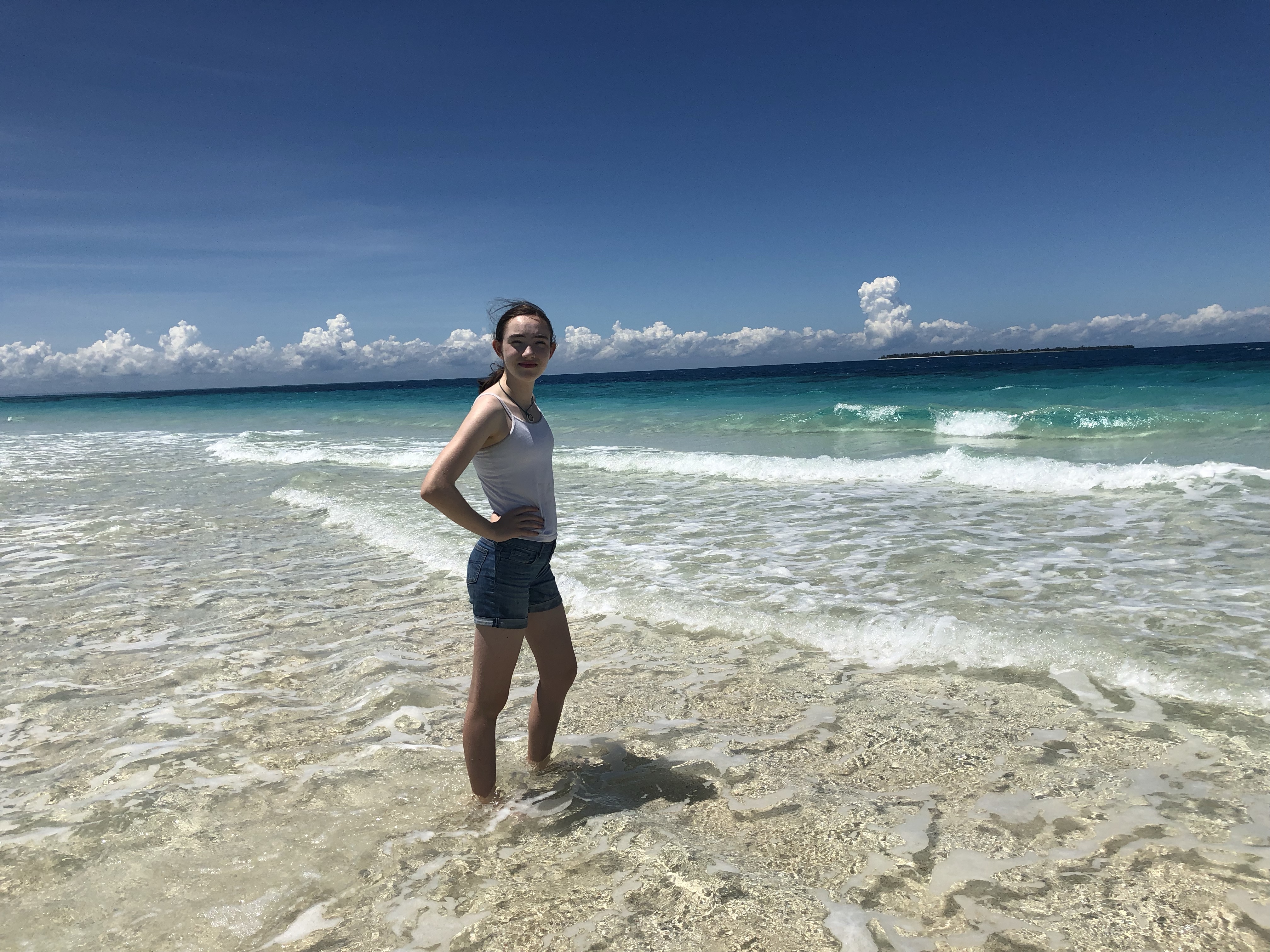
So we did do a lot of swimming in Zanzibar both at the pool and in the ocean. Although, this was my first time ever getting to swim in the Indian Ocean, and I’d say it was pretty different than other oceans I’ve swum in. At the hotel we stayed at, we went swimming in the ocean almost every day and I noticed a lot of differences there than in any other ocean I’ve been to.

First of all, I don’t think I’ve ever seen water so clear. If its shallow and there is no seaweed or rocks, the water can be a beautiful aqua blue. (Which, by the way, is my favorite shade of blue!) Even if its very deep, the water is so clear that you can see the ocean bottom and it looks like you can easily swim down to the ground when really its double the amount deeper than you think.

Another thing I noticed was that when we first got to Kendwa and went swimming in the Indian Ocean, I remember seeing a shadow laying on the sand underwater. When I looked closer, I realized that it was a starfish! And it was really big. I tried to point it out to the rest of my family, but when I came back to show them, I couldn’t find it. My parents did end up seeing a starfish the next day laying on the sand when they went to watch the sunset. I just think its so cool that there are starfish in the Indian Ocean! I’ve only seen them at the aquarium, but never in the open ocean like that.

The third thing I noticed about the Indian Ocean is that the sand is incredibly white! At least, if there’s no seaweed around, that is. When we flew over the ocean yesterday to get to Arusha, you could see so many sandbars poking out of the water and the sand looked like it was flour. The thing about sand in Zanzibar is that its not so soft that you sink into it, but its not so hard either.

STONE TOWN

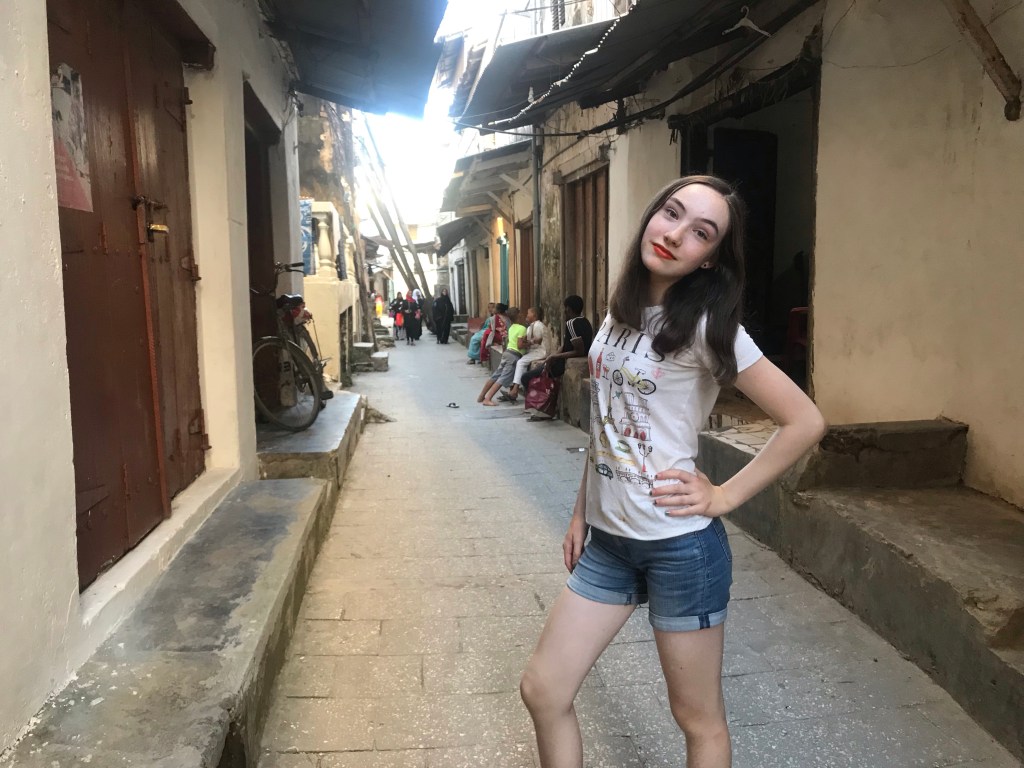
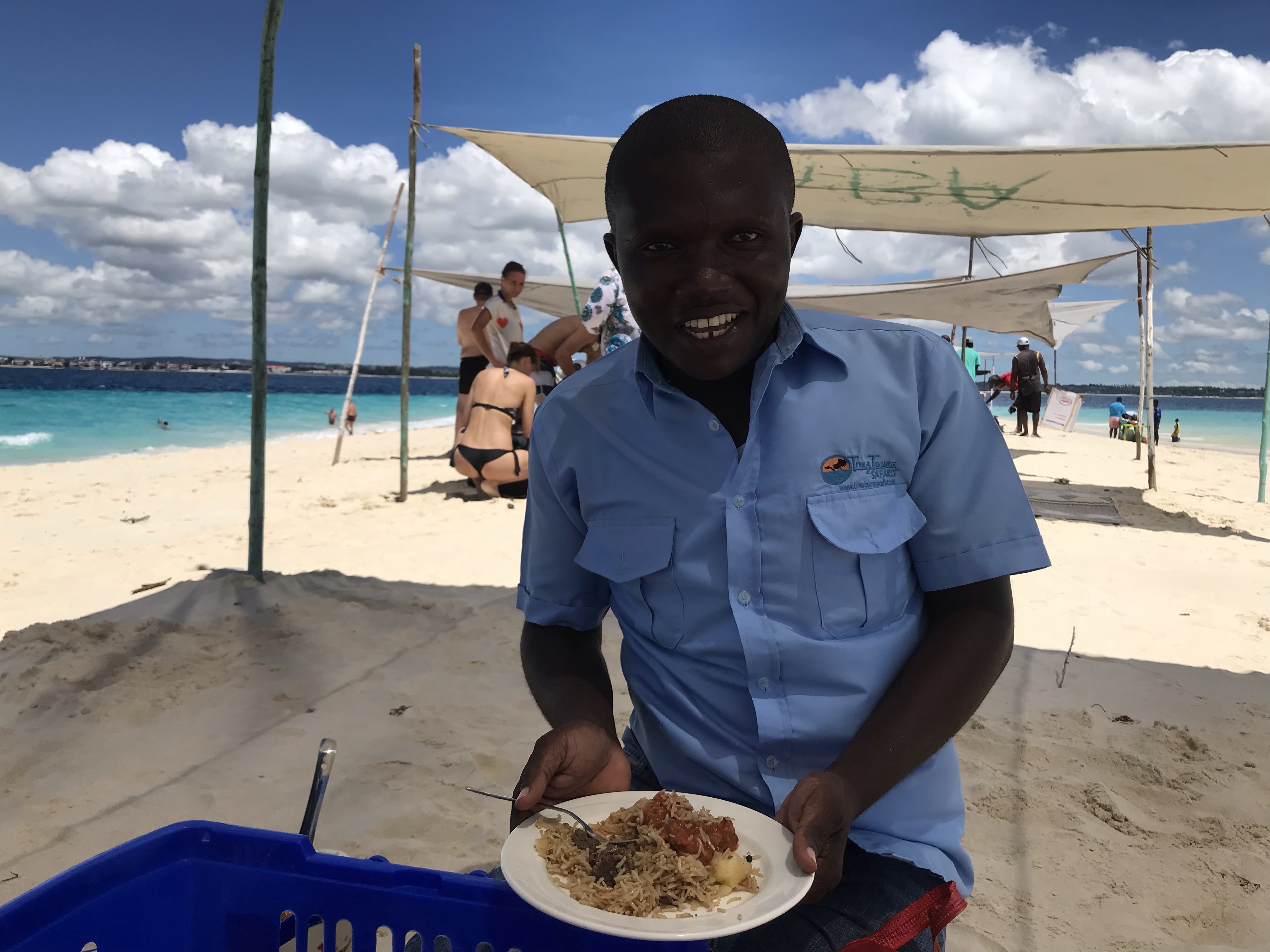
Our last day in Zanzibar we spent in Stone Town, the oldest part of Zanzibar City. We started it off by walking through the market place and looking at all the interesting foods and products the vendors were selling. After walking around town, we got on a boat to go to a giant sandbar that was great for swimming. My dad went in the water, but the rest of us didn’t because we didn’t bring our swimsuits, and I also didn’t feel like going in with my clothes and then being super wet for the rest of the day. I really regret it though because the water was so warm and it looked really fun. Because we were on a sandbar, waves came from both sides and crashed against each other, making the water spurt up like lava from a volcano. We had lunch on the sandbar that Yahya’s family had made for us that included pillau spiced rice with beef, a kind of red vegetable/tomato sauce, vegetable samosas and we tried Zanzibar spiced coffee. 

After lunch we boated over to Prison Island which was orginally known as Changuu Island. Prison Island was first used in the 1860’s for slaves under Oman’s rule. After the slave trade was abolished, the British actually used the prisons for the slave traders and other criminals. The British built a new prison and by the time it was finished, the need for the space had changed. The island was used as a quarantine for workers who arrived by sea with cholera and other diseases like yellow fever. The island became known as Quarentine Island and was used by all of East Africa. This was only for six months of the year when the boats came through the port, and the other part of the year the island was used as a resort for health because of the sun and fresh sea air. I was thinking, wouldn’t people be apprehensive to vacation in fear of getting cholera from the people who lived there before? Apparently not. The resort on Prison island ended up closing down recently— It’s still there but not used. Now Prison Island is just a place for tourists to visit and see the tortoises.

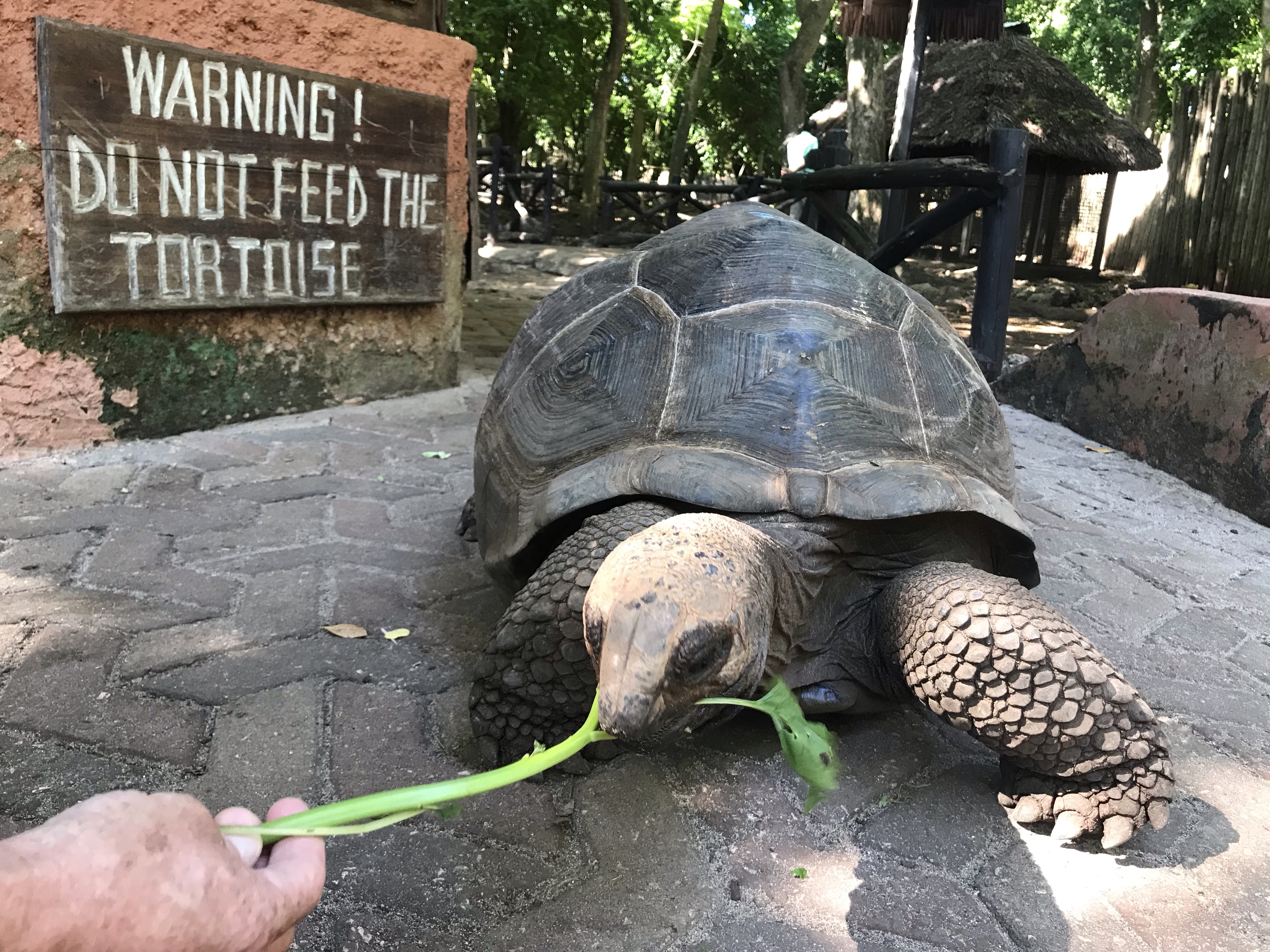
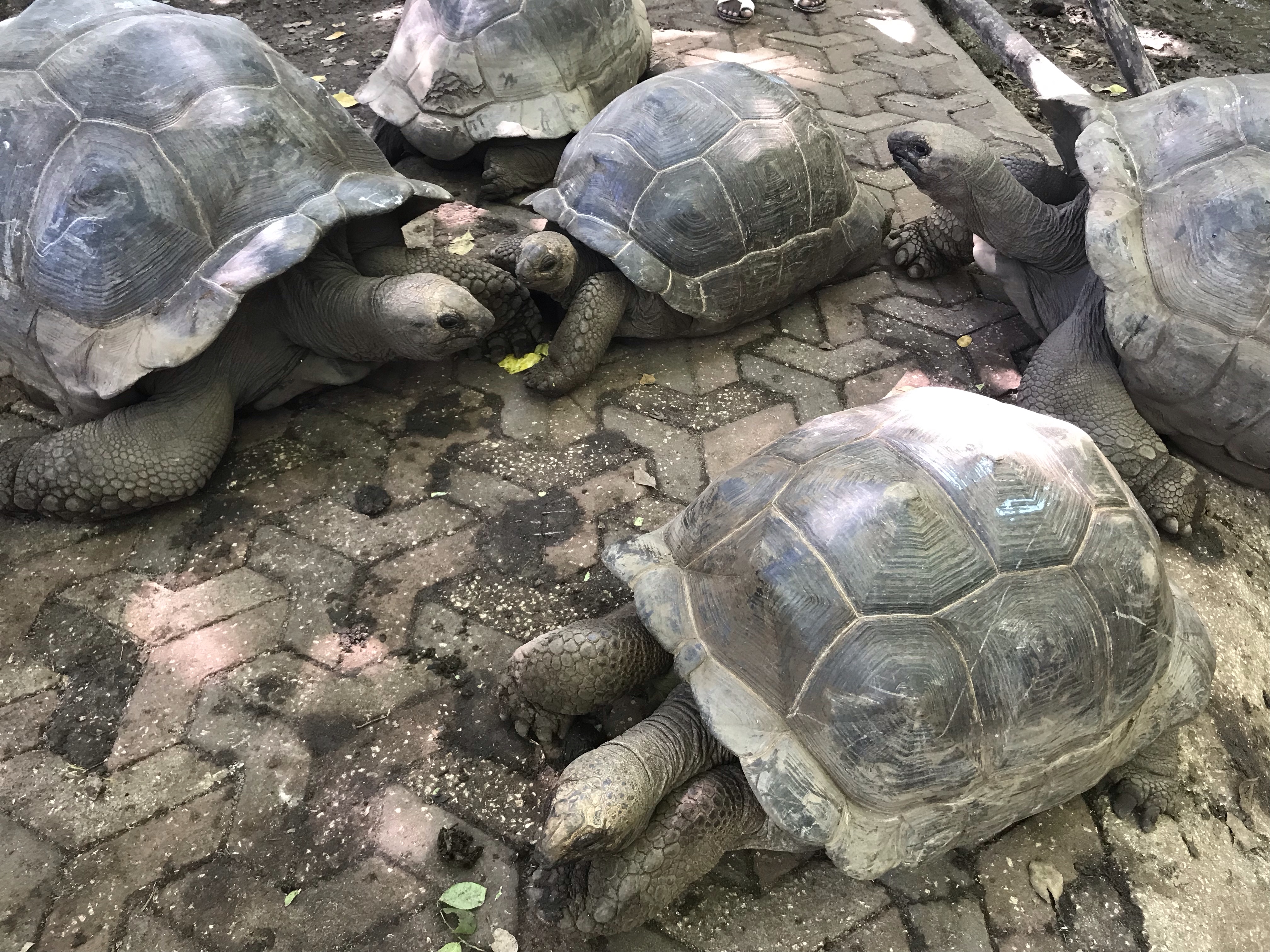
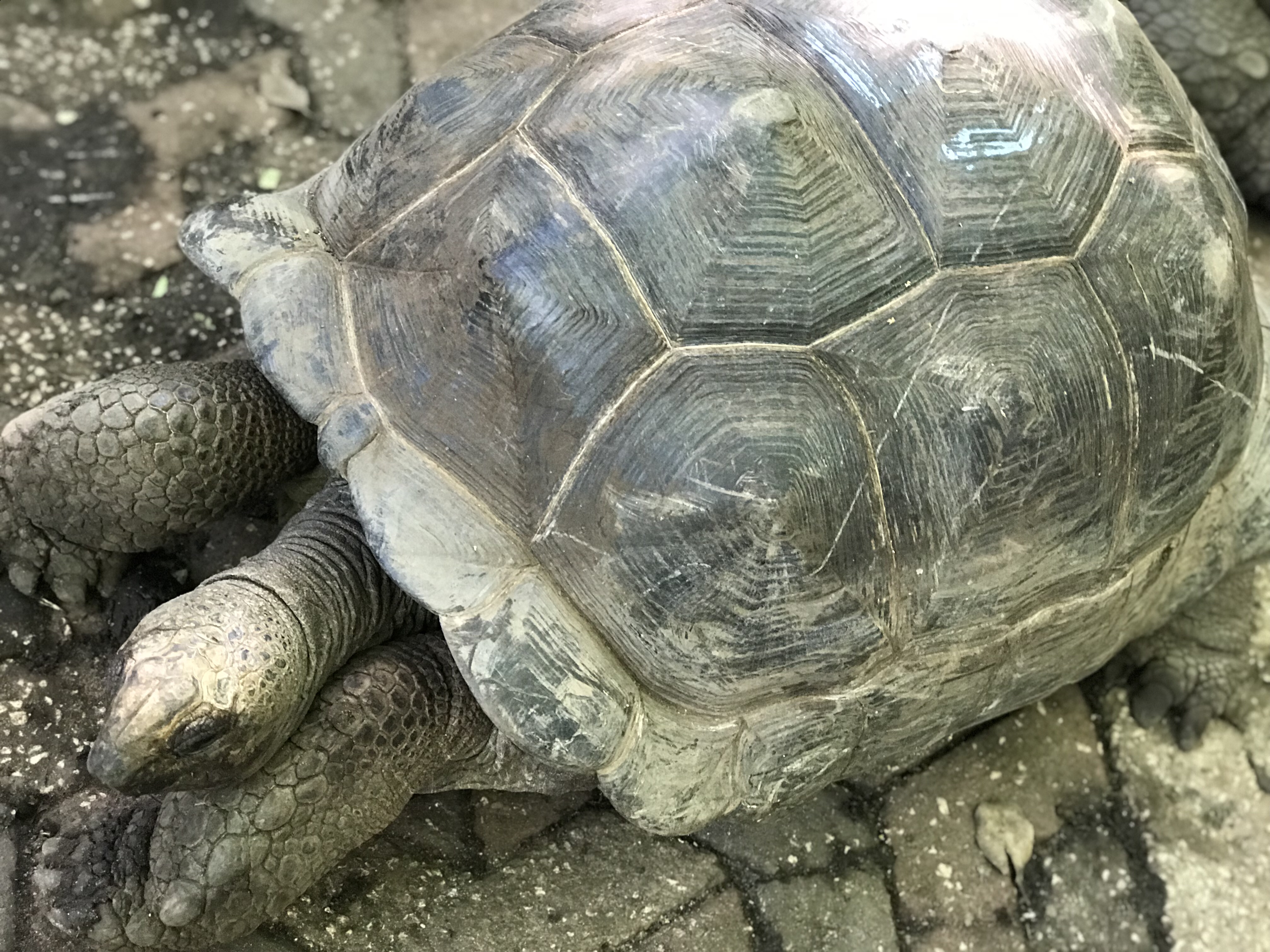
The island has a tortoise sanctuary. The Seychelles exchanged a group of their native Aldabra tortoises for Zanzibar’s fruit plants back in the early 1900’s and eventually the tortoises were moved to the protected Prison Island where they’ve lived happily for about 100 years. The tortoises are huge and seem to be very social because you could get really close to them. We got to feed the tortoises spinach and we saw a lot of them sleeping in the mud which, I’m guessing was to keep cool. The oldest tortoise there was 194 years old! Tortoises can live a long time. We also got to see baby tortoises and I was surprised at how small they were because they grow up to be so big! Bigger than Jack even!

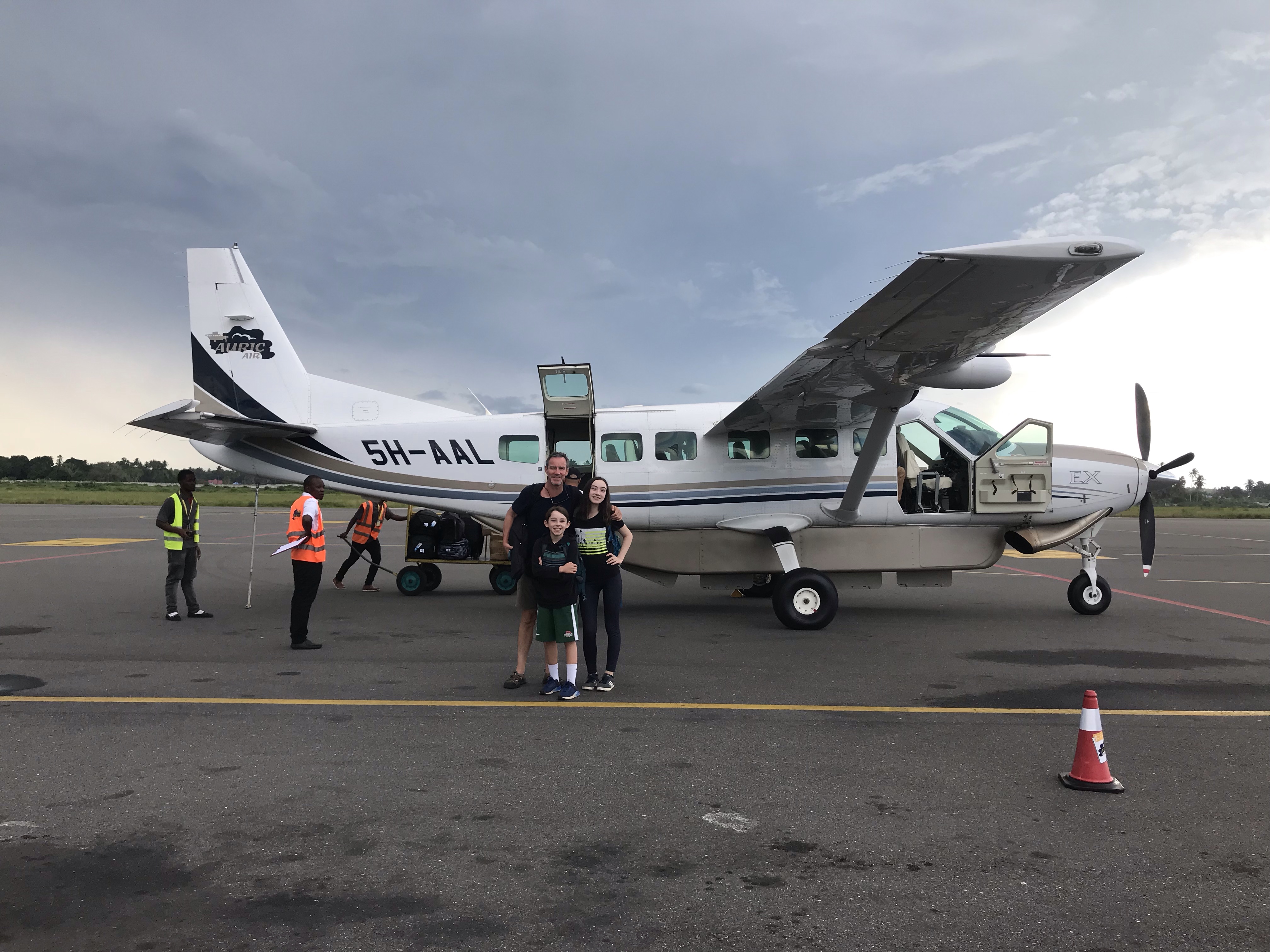
Thanks for reading this blog post! I will be uploading another post about our trip to the spice farm soon, so stay tuned for that. We just got to Arusha yesterday in a really tiny plane with only 12 passenger seats, and we’re getting ready to go on safari with our friends in a couple of days so I’m really looking forward to it.

Today is Thanksgiving and we’re spending that with friends. Happy Thanksgiving!

Camels Living in the Sahara Desert

Have you ever wondered where camels originated? Or why they have humps? Get ready to learn a lot reading this upcoming blog post because it’s packed with information about camels (specifically those that live in the Sahara desert) that you probably never knew!

WHERE CAMELS ORIGINALLY CAME FROM


You may think that camels came from hot desert climates in Africa, but judging from fossils found on Ellesmere Island in northern Canada, this is false. “Camels actually originated in North America some 45 million years ago”-Jennie Cohen. The fossils found, turned out to be the bones of an arctic camel! Cool right? Before this, I never would have thought camels came from COLD climates all the way in North America. More recently, (according to Jennie Cohen, around 3 to 5 million years ago) camels started migrating south and were introduced to Africa during the trading period. (More on that later!) Its almost unbelievable to think that they came from such cold harsh weather to a hot and parched desert climate. Some camels even moved to South America, eventually evolving into animals such as the llama and alpaca. However, just like other early species, camels living in North America were not so lucky. They ended up dying off and becoming extinct during the ice age.


THE TYPE OF CAMELS THAT LIVE IN THE SAHARA DESERT


In modern times, there are three types of camels. Dromedary camels, Bactrian camels, and wild Bactrian camels. The difference between the species is that Dromedary camels have one hump and Bactrian camels have two. There are around 14 million camels in the world, and Dromedaries are the most common, taking up 94 percent of the worlds camel population (Wikipedia). So which type of camel lives in the Sahara desert? You guessed it. Dromedary camels!


CAMEL FEATURES


The word camel is “Jamal” in Arabic, and means beauty. In fact, the reason camels live so well in the desert is because of how their bodies are built.

Camel heads are small but they have big eyes capable of seeing a long distance in front of them as well as in many directions. Their eyes are very well protected from the sand and sun with their two sets of eyelashes and the help of big bushy eyebrows for extra protection. Camels also have a special eyelid that works like windshield wipers; whenever sand gets in the way of vision, their eyelids move to the side, brushing the sand out of their eyes. During a sand storm camels really have no problem because in addition to having all those extra layers of protection on their eyes, to prevent getting sand in their nose, they can just close their nostrils any time they wish! Deep in the desert, not only do camels have to cope with sandstorms, but when in need of food or water, their lips are very thick, making it possible to eat prickly desert plants (that’s also how they get water) without hurting themselves.


A camel’s facial features are very important parts of their body, but what about how their able to walk on desert dunes without sinking into the sand? Well, camels feet are very big, and the skin on the bottom of their feet is very tough, enabled to walking on hot sand without burning themselves and avoiding the possibility of cutting themselves on sharp rocks. And when traveling long distances through the desert, the padding on a camels feet is a big help to its legs so that it can move steadily.


Another feature on its body that helps a camel adapt to the desert climate, is its fur. The coat of hair covering a camel protects it from the heat of the sun during the day, and keeps the camel warm during the cold of night, because the temperature can drop drastically.
So now you can see why a camel’s features play such a crucial role in how they cope with living in their dusty desert habitat.


WHY CAMELS HAVE HUMPS


A big camel feature that we probably all think of, is the hump of a camel. Some people think that a camel’s hump is filled with water, but that is actually false. A camel’s hump is actually filled with fat which is how they can last so long without water or food. Whenever they need energy, they just take what’s in their emergency store and their hump shrinks down until they’ve consumed more food. Baby camels are born without a hump and don’t gain one until they’ve eaten something solid. This is probably partly how camels gained humps in the first place, but during the arctic times, their humps also gave them extra layers of warmth in the cold weather.

“Camels can go without water for about 5 days in extreme heat or several months in cooler weather,”- desertcampmorocco.com. But if this is true and we know that camel humps DO NOT contain any water, then where does all the water get stored? Well It turns out that camels store water in their blood cells that expand as they drink! And after not drinking for days, camels can take in a very large quantity of water in a short period of time. According to livescience.com, camels can drink 30 gallons of water in just 13 minutes.


A CAMEL’S DIET


Usually camels are not alone in the wild and they have people who care for them. Camels are fed foods such as wheat, grass, grains, and oats (Wikipedia). But when traveling long distances across the Sahara, they have to eat desert plants. Its a good thing camels are Herbivores because, mostly, the only thing to eat out in the plain, barren desert are plants. We already know that camels have thick lips meant for protecting themselves when eating prickly shrubs, so the types of plants they consume in the desert are mainly dried leaves and thorn covered shrubs and bushes.


HOW CAMELS WERE USED DURING THE TRADING PERIOD IN AFRICA


If you’re studying camels, I would say one of the most important things to learn is how camels were used for the trading industry in Africa and how dependable they were. Trade in Africa would have been very difficult without the help of camels. They were such a big part of trading and they are still used today for this same purpose: crossing the desert.


The trade industry in Africa started in the 15th century. Goods were traded with Europe, parts of Asia, and India during this time. Trading posts were stationed in all the major cities in North and West Africa. According to ducksters.com, the main trading locations in West Africa were: Timbuktu, Gao, Agadez, Sijilmasas, and Djenne, and the main trading posts in North Africa were: Marrakech, Tunis, and Cairo.

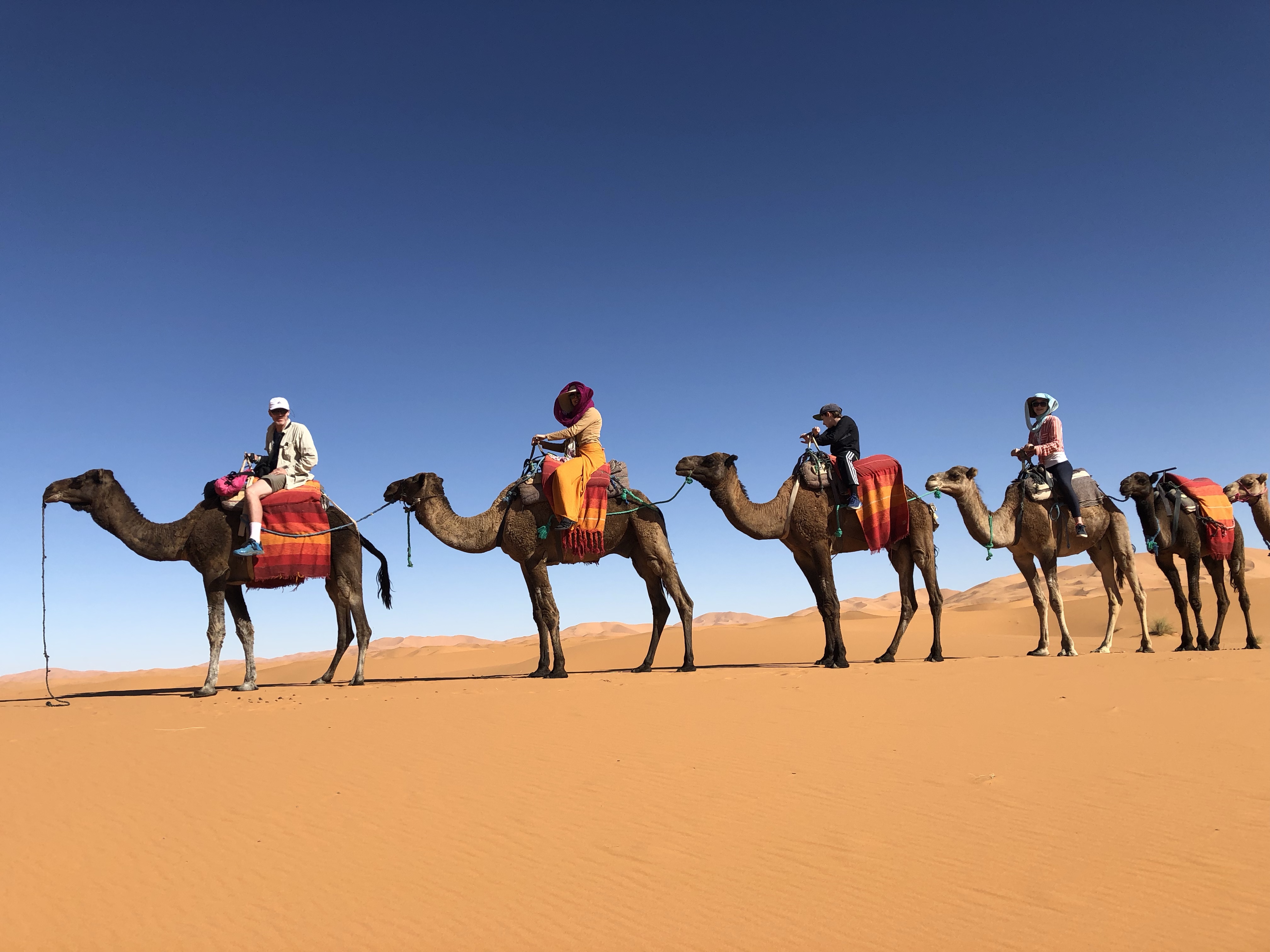
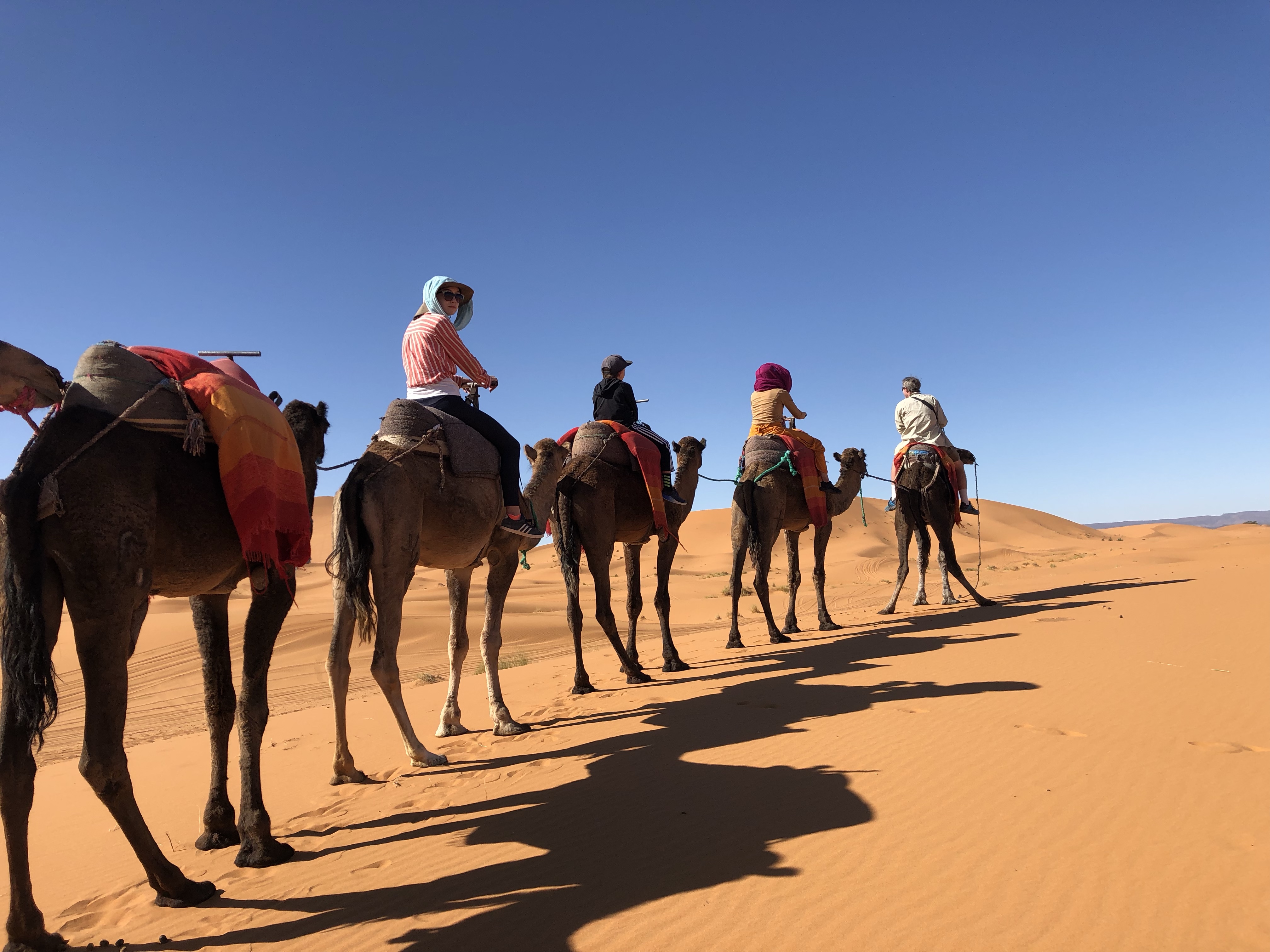
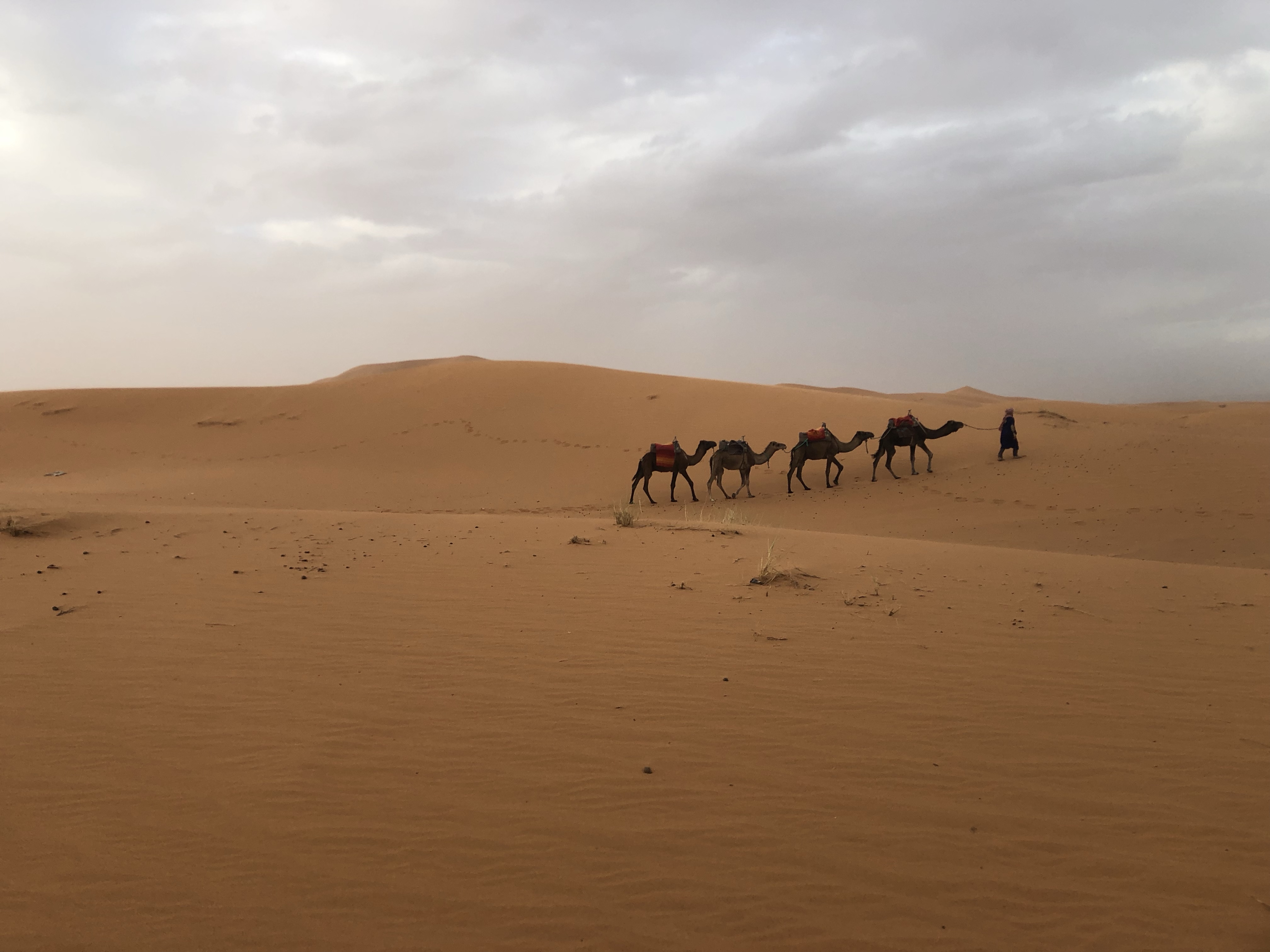
To get to these trading posts, traders would be carried by camel across the desert in large groups called caravans. And when I say large, I mean caravans of 1000 to 10,000 camels and their riders, according to ducksters.com. What does a caravan of camels look like? Well, its basically just a number of camels tied up so that their lined up in a straight line, one camel after another. When I went on a camel ride in Morocco, in the Sahara desert, we traveled in a caravan of about six camels. (See photos down below!) This way of transportation is a very good idea, because it keeps the pack of camels together without the chance of leaving one behind. In fact, elephants travel a similar way, except to keep the whole group together, they grab onto each other’s tails instead. Have you ever seen a picture of a baby elephant trying to keep up with the rest of its stampede? If not, I dare you look it up. It’s adorable!

Traveling in large caravans provided protection against burglary, and, I assume, got large amounts of traders to their destination in a fast period of time. The typical amount of time it took to get a caravan to get to its destination was about 40 days because the camels only moved at a speed of 3 miles an hour (ducksters.com). By traveling on camels, traders could use them to carry their goods. So what goods did they carry/trade? The main things carried/ traded were salt and gold from the mines in West Africa. Beads, Ivory, nuts, cloth, and metal materials were also traded (ducksters.com). Slaves were also brought and traded as well.


BIBLIOGRAPHY


(You should check out these links!)
https://www.ducksters.com/history/africa/trade_routes_of_ancient_africa.php
https://www.desertcampmorocco.com/blog/post.php?s=2017-04-01-desert-camels-one- hump-or-two
https://www.history.com/news/giant-ancient-camel-roamed-the-arctic https://www.livescience.com/27503-camels.html https://en.m.wikipedia.org/wiki/Camel


AUTHOR OVERVIEW


Thanks for reading this blog post! I worked really hard on it because, you know, its always hard to find the right facts and if their true or not. I tried to include some background history and information about where camels came from and what they were used for originally in this post, and a lot of sources and references.

I definitely learned a lot about camels while writing this. For example, I never knew camels originated in North America! I guess I always thought that they came from Africa, but in reality, I don’t think I’ve ever thought about it. I also didn’t know that Bactrian camels live in Asia, and that Australia is also home to camels too! Although I didn’t include any of this in the post because I was focusing on camels living in the Sahara.

Anyways, make sure to stayed tuned with our YouTube channel, we’ll be posting a new video ASAP. And make sure to subscribe to our blog AND our YouTube channel as always. Also, make sure to turn your notifications on so that you get notified every time we upload a new blog post or video!
Until next post! -🍦

Venice

Benvenuto and welcome to this blog post all about Venice and my favorite spots.

VENICE

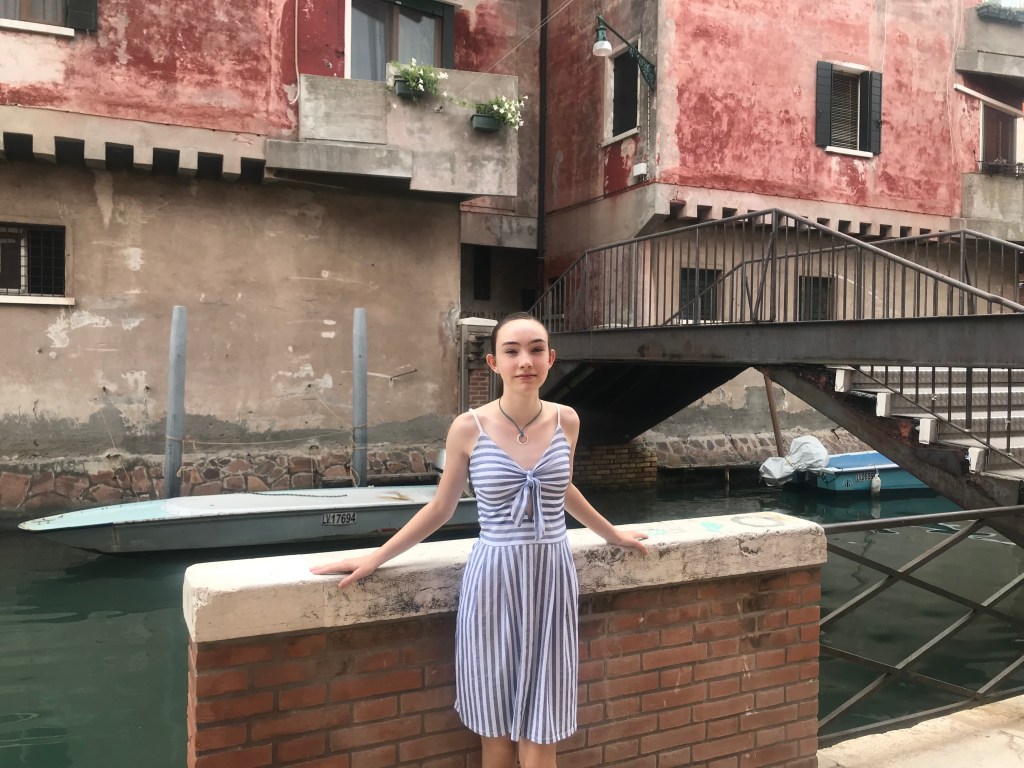
I’ve been wanting to go to Venice for a while now and hearing about it from friends who had been there before only increased my eagerness. Now that I’ve been there I know. I love Venice because of its beautiful architecture and scenery, and incredible canals that weave throughout the whole city. I always thought Venice was beautiful based on all the paintings I saw, and now I know that it is. Its the perfect place for an artist to visit; there are are dozens of postcard worthy landscapes and old Venetian buildings that add a romantic touch to the city.

CROSSING THE CANAL

Venice is very different from everywhere else in the world because instead of having buses, cars, or trains to get to places, they have ferries and ferry stations. When we arrived at the airport in Venice, we got on a water bus to be transported to the location where we were staying.

Because Venice is built on the water, there are only two ways of transportation. By boat, or by foot. For the few days we had in Venice, we walked almost everywhere. But twice, instead of walking a little ways to cross the bridge when we were in a hurry to get somewhere (because there are bridges everywhere), we ended up paying 4 euro to cross the canal by gondola. The trip across only took about a minute, as it was just like crossing the street except you had to hop in a boat in order to do so. By going on a gondola to cross the canal, we saved 20 minutes that we would have used walking.

Gondolas are what Venetians call the long canoes where the people rowing, which in Venice are called gondoliers, stand up on the back of the boat with a long oar in hand. Many gondoliers decorate their gondolas with fancy tasseled couches and chairs colors gold and red which the passengers sit on. A lot of them also wear similar clothing if they are part of the same business. For example, we saw many of them wearing red and white striped t-shirts. Some tourists pay high prices to go on gondola rides through the canals, but we never thought of doing that because of the expense and it was just too touristy.

THE RIALTO BRIDGE

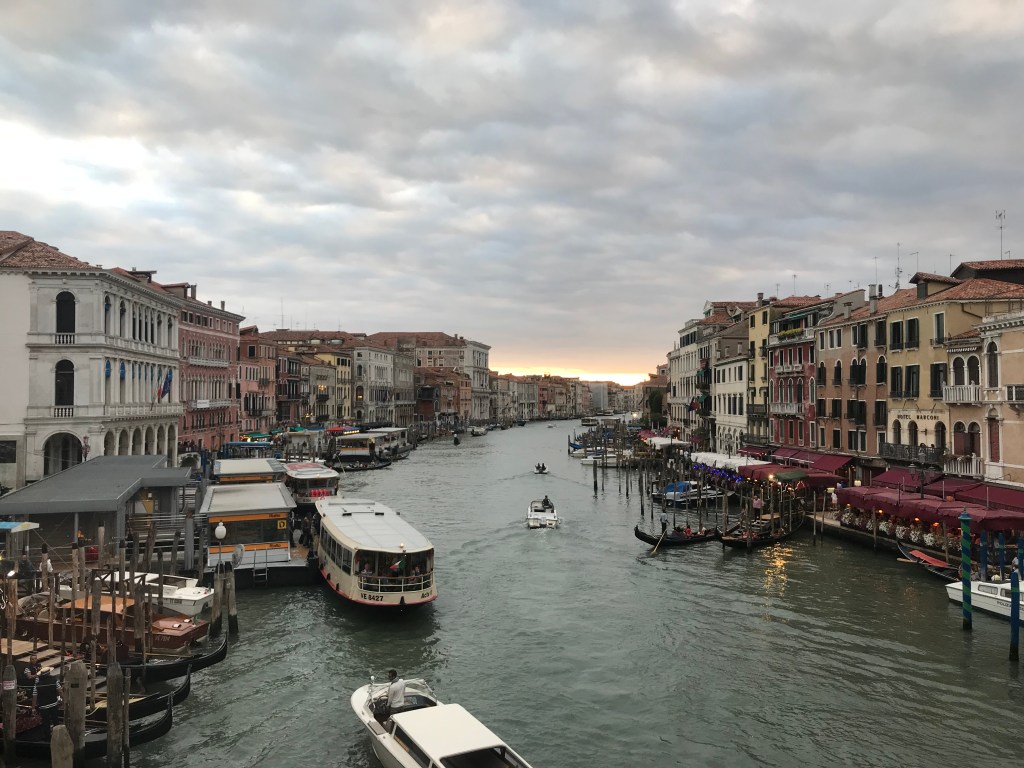
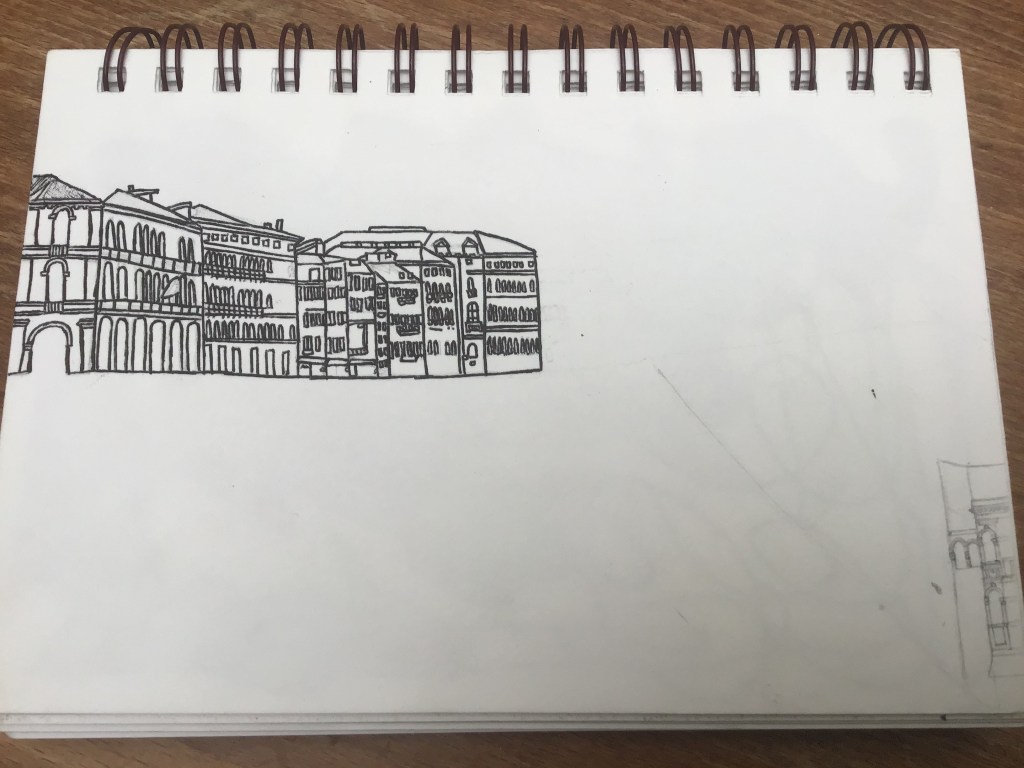
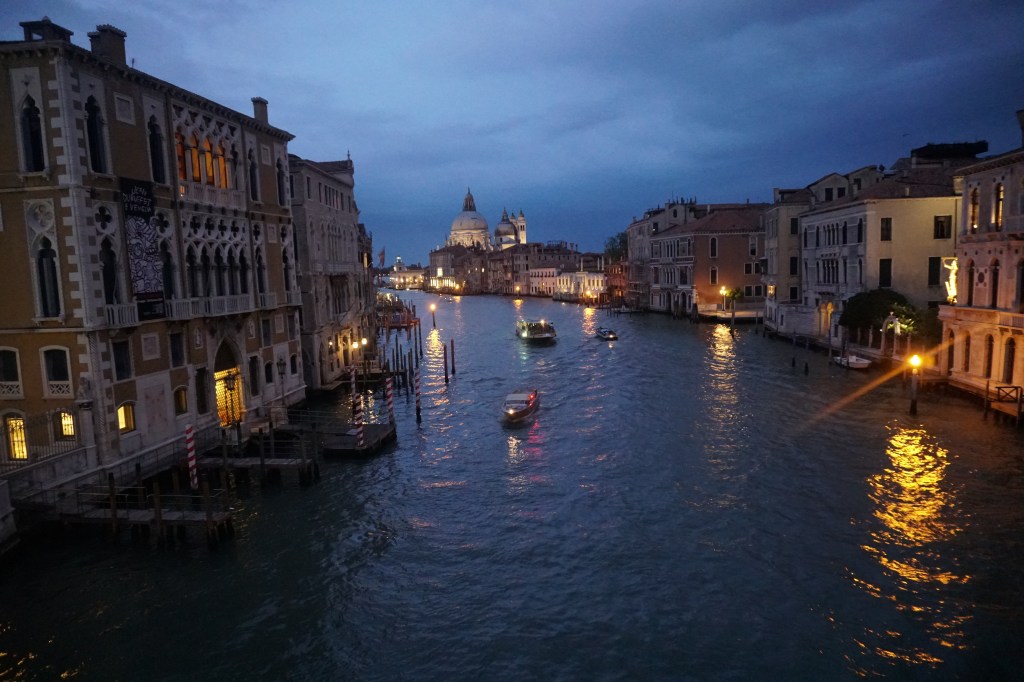
There is a famous bridge in Venice that is always crowded with tourists trying to catch a view of the Grand Canal. From the Rialto bridge you can see all the beautifully colored Venetian buildings with their intricate arches and windows. You can see all the hotels with names such as Hotel Marconi, and restaurants covered by red colored tents to keep dry from the rain and block the sun. The view from the Rialto bridge is very well known and there have been many paintings made of it. Speaking of which, currently I am making a drawing of the Grand Canal. See a sneak peak at what it looks like so far down below*.

THE BIENNALE

Venice has been known, (for the past 123 years) for its famous arts festival, The Biennale, where artists from all over the world enter world changing (and probably mind changing) art pieces. The Biennale is held at two main locations: The Arsenal, and the Giardini.

The Biennale arts festival in nothing like you’ve ever seen before. The art exhibits and pieces can take up a large quantity of space, and consist of many different forms of art. Many exhibits include installations and movies made to show some type of theory or form of thinking.

When we visited the Biennale, we went to the Arsenal and the Giardini. Every year, there is a theme that all of the artists incorporate in their art. The theme of this years Biennale was, “May you live in Interesting times”. In my opinion, the theme should have been May you live in Disturbing times, because most of the exhibits had a very ominous or unsettling feeling which really set the mood for the whole festival. A lot of them consisted of angry zombie-like animated people that were produced on projectors, and robots, photographs, movies, or models of mannequins that looked or seemed somewhat human-like. At first look, the mannequins in some of the photographs looked scarily human-like, but when you looked more closely, you could see that they were just models of humans. Many of the movies were based all about global warming which was definitely a reoccurring theme displayed in the artists work.

Not every art piece was like that though. One series of rooms displayed many geometric and organic sculptures and some of them even moved. In another room, there was a large sculpture of a human in a rocking chair made out of clothes. There was also a really cool animated movie of a sandwich making itself.

One of my most favorite exhibits was the giant robot programmed to clean up paint.The robot in that exhibit looked sort of like a giant shovel that was attempting to wipe up all the puddles of paint while doing programmed dance moves, but failing to succeed because all the paint kept on expanding into larger puddles. It was supposed to represent how people do endless hard work and the work never stops.

Another one of my favorite exhibits was the Italian Pavilion. We waited in a long line for about an hour because they only let in less than 10 people at a time to enter the exhibit. We were asked to remove our shoes and then we walked on a plastic casing that had water underneath (sort of like a waterbed). I think that the artist was trying to show how the sea levels are rising, which will eventually flood Venice.

Link to the Biennale web site: https://www.labiennale.org/en

THE PEGGY GUGGENHEIM MUSEUM IN VENICE

Peggy Guggenheim was an art collector of modern art who grew up in New York City during the early 1900s. In 1912 when Peggy was only 14, her father died as a passenger on the Titanic. Peggy inherited a fair amount of money and supported the careers of many modern artists. After World War II, Peggy bought a mansion in Venice facing the water to display her art collection and lived there until she died in 1979 at the age of 81. The Peggy Guggenheim museum is held at Peggy’s former home. My mom recommends Peggy’s memoir, Confessions of an Art Addict.

Thanks for reading this blog post, and make sure to subscribe to our YouTube channel, there are a lot of new videos coming out! I’ll be back with another post soon!

  • Lily🍦