Have you ever thought about currency before? Well, I haven’t, until now. If this is complicated, I don’t blame you. So after you read this, I would suggest looking up “currency” on the internet because I will not be able to include everything. Or you can just click this: https://www.scholastic.com/teachers/articles/teaching-content/money-0/
But if you just want a brief lil’ thing, here you go…
In this report, I’m including a short currency outline, and a historical timeline of money.
CURRENCY RATES:
Currency is pretty complicated. Not all money has the same value. For example, when we were in Morocco, 1 US dollar was 10 Moroccan Dirhams. So that means that a Dirham is 10 percent of a dollar. When the Great Depression hit in the late 1920’s in the U.S., it was the currency rates that fell overnight to a very low percentage. That is why suddenly a U.S. dollar did not mean much at that time. When currency rates fall, people can lose their jobs, and even all the value of their money! So lots of countries have to be careful about currency, its value can dive deep in only hours.
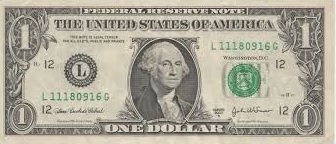
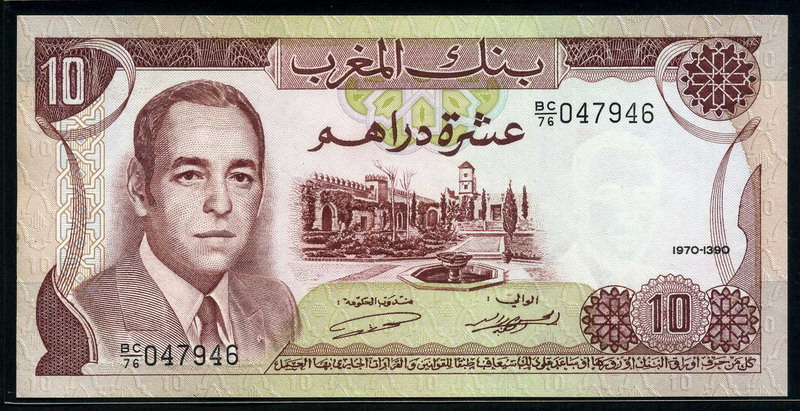
Some of the highest currency rates on a normal basis are:
Euro
British pound
US dollar
TIMELINE HISTORY OF MONEY:
(Just so you know, the following is all approximate so you might find slightly different answers on different internet articles)
THE CAVEMAN TIME:
First there was just barter where one person would try to exchange a product for another, for example: 2 sheep for a cow, or milk for honey. Bartering is still used in many countries today.
~7000 B.C.:
Starting from about 7000 B.C., there were many different things used as money. For example, in the beginning of this age, cattle was used. Cattle at this time did not only mean cows, but also bulls, sheep, camels, and lots of other livestock.
~1200 B.C.:
Later, in approximately 1200 B.C, something else was also used as money. They were called cowrie shells, and they were first used around the area of Asia and Africa.
~500 B.C.:
Coinage started earlier in Turkey, but it was about in 500 B.C. that silver and copper coins were being used all around the world. Ancient Greeks, the Persians, and eventually the Roman Empire, were some of the first large cultures to use modern currency.
~7th century A.D.:
Even though it came into general use back in the 1600’s, there is evidence that paper currency was used all the way back to the 7th century. It was most likely started in China about 900 A.D. Paper money was a little hard to put into use because people at that time were not used to having their currency in the form of a piece of paper. They thought it made more sense to value money in rare, shiny, precious coins of silver and gold, or leather. But paper currency obviously won that battle because it is now used in every country around the globe.
1816:
The gold standard officially began in England in 1816 and the United States started to use the gold standard not long after. The gold standard meant that the value of money was directly lined to the value of gold and that paper money could be converted into a fixed amount of gold. Due to the Great Depression in 1930, the gold standard fell in the 20th century.
THE PRESENT:
Now, modern money is all over the globe in coins, paper cash, and bank cards. In many indoor and outdoor markets around the world, people bargain until they agree on a fair price. For example, a local may pay $1 for 20 mangoes and a tourist may pay $1 for only 1 mango. Partly the idea of bargaining is so the seller can change the price of a product easily depending on who is buying and how much they have to sell. It’s complicated.
Thanks for reading my journal entry on Currency. Please feel free to leave a suggestion, or just a note in the comment section below.
On a final note, if you haven’t already, please subscribe and like the post. Also, we have a YouTube channel called ON THE ROAD WITH LJ so please also subscribe to that.
Here is a link to our YouTube Chanel: https://m.youtube.com/channel/UCheQcg1OwJ-v-eUV4SNhVwA
We will have a new video and post soon.
-Jack👌
 Worldschooling
Have you heard of Bitcoin? In a way, ‘mining’ Bitcoin is similar to cowrie shells, right? If you could find your own cowrie shells, you could become rich without much work (depending upon how hard it was to find cowrie shells). Bitcoin can’t be worn as jewelry, though! And Bitcoin has become a lot more expensive to mine, using a lot of computer power and electricity.
LikeLike